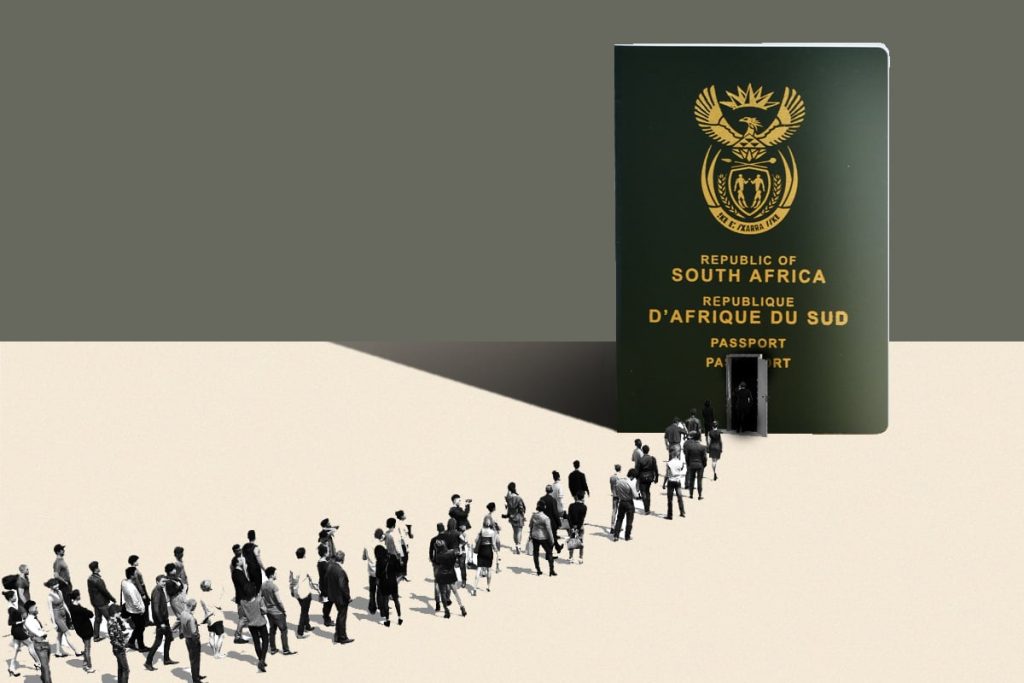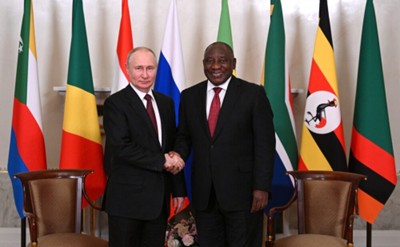

In a disturbing scandal linked to the ongoing war between Russia and Ukraine, seventeen South African men were reportedly recruited against their will to fight for Moscow. The men claim they were lured to Russia under false pretences by uMkhonto we Sizwe (MK) party leader Duduzile Zuma-Sambudla, daughter of former President Jacob Zuma. Zuma-Sambudla has denied any involvement in their plight. Following a phone call on Tuesday between President Cyril Ramaphosa and Russian President Vladimir Putin, Putin pledged his support for ensuring the men’s safe return home.

According to government and family accounts, the men were promised legitimate employment, including security training or jobs. However, they were signed up with Russian military forces and thrust into active combat. The men’s plight first drew attention in November, when the South African government said it had received distress calls from them, seeking help to return home. Families of the men, many of whom are from KwaZulu-Natal and one from the Eastern Cape, have appealed to the government to intervene. During a media briefing in Durban on Tuesday, relatives painted an agonising picture of their loved ones’ plight, saying communication had dwindled to sporadic WhatsApp messages and some of the men had been seriously injured, one of them reportedly paralysed.
The situation has also triggered an investigation by the Directorate for Priority Crime Investigation (the Hawks) into the recruitment network that brought the men to Russia.

It must be acknowledged that these seventeen men recruited into the war in Ukraine were deliberately used as cannon fodder or human shields. This is evident from the fact that they had no prior combat or military training before being deployed. The recruitment of these reluctant mercenaries exposes a very deep rabbit hole. If Zuma’s daughter, Duduzile Zuma-Sambudla, was indeed a central figure in the recruitment of these men, then she should tell the truth about her motives. When men are recruited under false pretences to fight in a war, they have no motive or cause to join, it amounts to human trafficking. The ordeal these men and their worried families endured cannot be imagined.
It is encouraging that the Hawks are investigating the matter of the recruitment and the network involved. They will identify the perpetrators and bring their motives to light. The name of Zuma’s daughter has already been linked to the recruitment of these men.

(Presidency spokesman Vincent) Magwenya said after those talks, the Kremlin and the Union Buildings resolved that South Africans fighting alongside Russian forces in the war against Ukraine should immediately withdraw and return home.
“President Ramaphosa and President Putin pledged their support to the processes of returning South Africans fighting alongside Russian forces in Ukraine,” said Magwenya.
“In this regard, teams from both sides will continue their engagement towards the finalisation of this process.” Magwenya added that Ramaphosa remained committed towards diplomatic efforts aimed at ending the war between Russia and Ukraine.
“President Ramaphosa has expressed South Africa’s ongoing support for diplomatic and peaceful efforts aimed at ending the Russia-Ukraine conflict. “This is in line with South Africa’s long-standing position during talks with both sides that all wars end through negotiations.”
No one should be forced to fight in a foreign war against their will. Such actions should be recognized as crimes against humanity. President Ramaphosa’s diplomatic manoeuvre to secure the return of the men to KwaZulu-Natal and the Eastern Cape and wherever else in the country was a masterful stroke. This form of diplomacy stems from cultivating strong bilateral relations. The president acted swiftly to avert tragedy, given the risk these men faced of losing their lives. The Hawks will likewise continue their investigation to trace the recruitment of these men back to the culprits responsible. The situation could have tested the strength of South Africa–Russia relations as well as the role of BRICS, but it is fortunate that the matter was resolved quickly.
The return of the men to South Africa at the end of their ordeal offers lessons: we must be wary of those who seek to manipulate and vigilant in protecting one another. Pretoria, along with the country’s diplomatic corps and investigative units, must remain on guard.
Article written by:
Yacoob Cassim
Journalist at Radio Al Ansaar