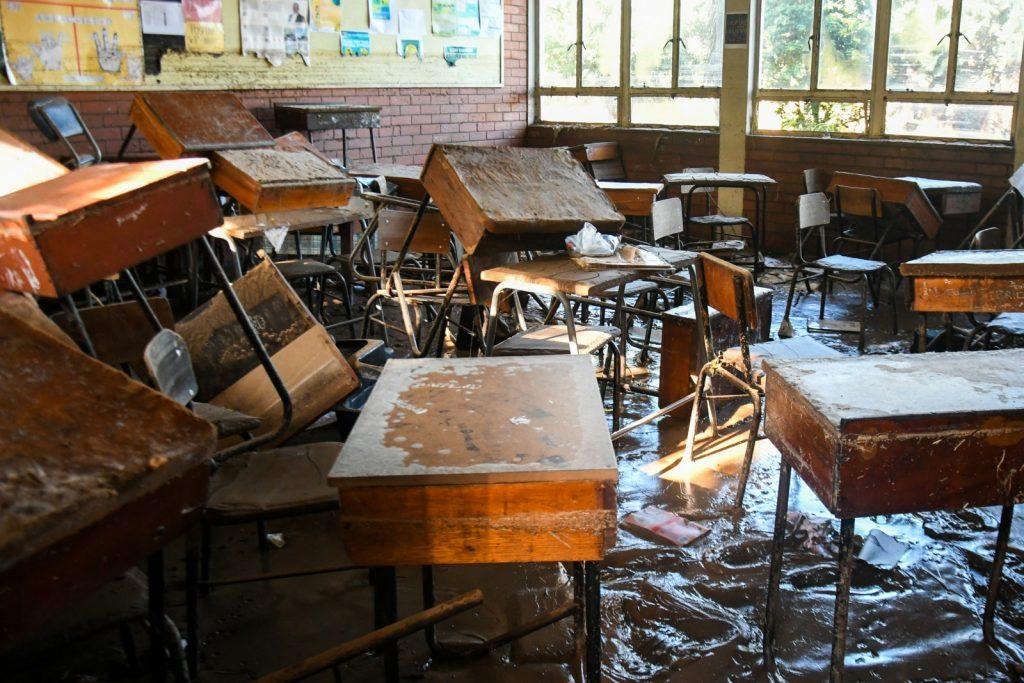

In parts of KwaZulu-Natal, learners are arriving at schools damaged by repeated break-ins, stripped electrical infrastructure, and growing fears that criminal activity is beginning to erode the learning environment itself.
The growing crisis has once again been highlighted in the Midlands, where Isibongo Primary School in Mpophomeni has reportedly suffered repeated break-ins in recent weeks. According to reports by The Witness, thieves targeted the school’s electrical infrastructure, stripping copper wiring and leaving several classrooms without electricity.
Parents and community members say the situation is becoming increasingly alarming, warning that continued theft and vandalism are disrupting learning and creating uncertainty around the safety and stability of the school environment. Some residents fear that if schools continue losing access to electricity and basic infrastructure, learners could face even greater disruptions to teaching and daily classroom activities.
Community member Bheki Ngubane told The Witness that criminal cases have been opened at the Mpophomeni Police Station as incidents continue to escalate. Residents fear that if the attacks persist, larger sections of the school could eventually be left without power, further affecting daily operations and the overall learning environment.
While schools across South Africa have long battled infrastructure backlogs and resource shortages, infrastructure-related crime is now emerging as a growing threat to already vulnerable education systems.
Copper theft and vandalism continue to affect schools, municipalities, transport systems, and electricity infrastructure across the country, leaving public institutions burdened with ongoing repair costs and repeated service disruptions.
A recent Daily Maverick report highlighted the mounting infrastructure pressures facing schools across South Africa, including deteriorating facilities, maintenance backlogs, vandalism, and ongoing service delivery challenges. In many underprivileged communities, schools are often left carrying the weight of repeated damage while operating with limited resources and overstretched budgets.
For many communities, the concern is no longer only about stolen copper or damaged property – it is about what happens when schools themselves begin to deteriorate under the combined pressure of crime, neglect, and failing infrastructure.
Education experts and community leaders have repeatedly warned that when schools lose electricity, security systems, or functioning facilities, the consequences extend far beyond damaged buildings. Valuable teaching time is lost, learners are forced to study in increasingly disrupted and unstable conditions, and teachers face even greater challenges trying to maintain productive classroom environments.
For many parents, the growing fear is not only about vandalised buildings, but about the long-term impact repeated disruptions may have on their children’s education, concentration, and sense of stability at school.
The repeated targeting of schools has also raised broader concerns around the protection of public infrastructure and the long-term impact that continued vandalism may have on education outcomes across the country.
However, some provinces have started seeing improvements through stronger security interventions and closer cooperation between schools, communities, and law enforcement. Earlier this year, the Western Cape Education Department reported a reduction in vandalism and theft incidents at schools during holiday periods, attributing the improvement to enhanced security measures and increased community involvement.
Communities in KwaZulu-Natal are now calling for similar intervention strategies, including stronger school security, faster responses from authorities, and greater protection for schools increasingly viewed as easy targets for criminal activity.
As investigations into the latest incidents continue, many residents fear that unless urgent action is taken, more schools across the province could face similar disruptions – leaving thousands of learners to pay the price for a growing national crisis steadily creeping into South African classrooms.
Article written by:
Hudaa Ahmed
Journalist at Radio Al Ansaar