
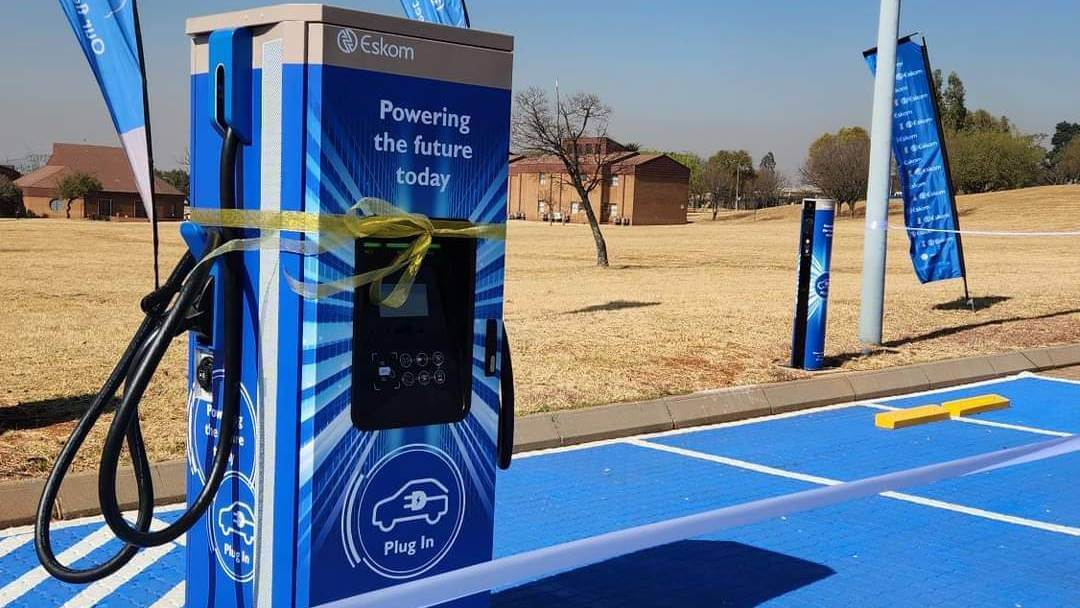
Electric vehicles South Africa charging station. IMAGE: Supplied
Electric vehicles South Africa are having a moment. The EV market is becoming a serious part of the country’s motoring landscape, and the ripple effects are now reaching an unexpected corner of the economy: mining.
The clearest sign of that shift came at the Festival of Motoring at Kyalami Grand Prix in Midrand, Gauteng, where 19 battery-electric vehicle models went on display, the widest range of EVs ever assembled at a single South African motor show.
AI and Electric Vehicles South Africa: A Changing Industry”
Held over three days under the theme “Driven by Purpose, Defined by Legacy,” the ninth edition of the festival drew 24 automotive brands. Twelve of them, including BAIC, Changan, Chery, Dongfeng, Forthing, Geely, GWM, iCAUR, Jaecoo, Kaiyi, Lepas, and Suzuki, together showed off more than 19 distinct battery nameplates.
“The showdown of current and future models is a reality check,” says Hiten Parmar, Executive Director of The Electric Mission. “It is both an indication of the growth of the EV industry, and also shows the growing appetite for electric mobility. Manufacturers wouldn’t showcase this technology if there was no consumer appetite on our local soil.”
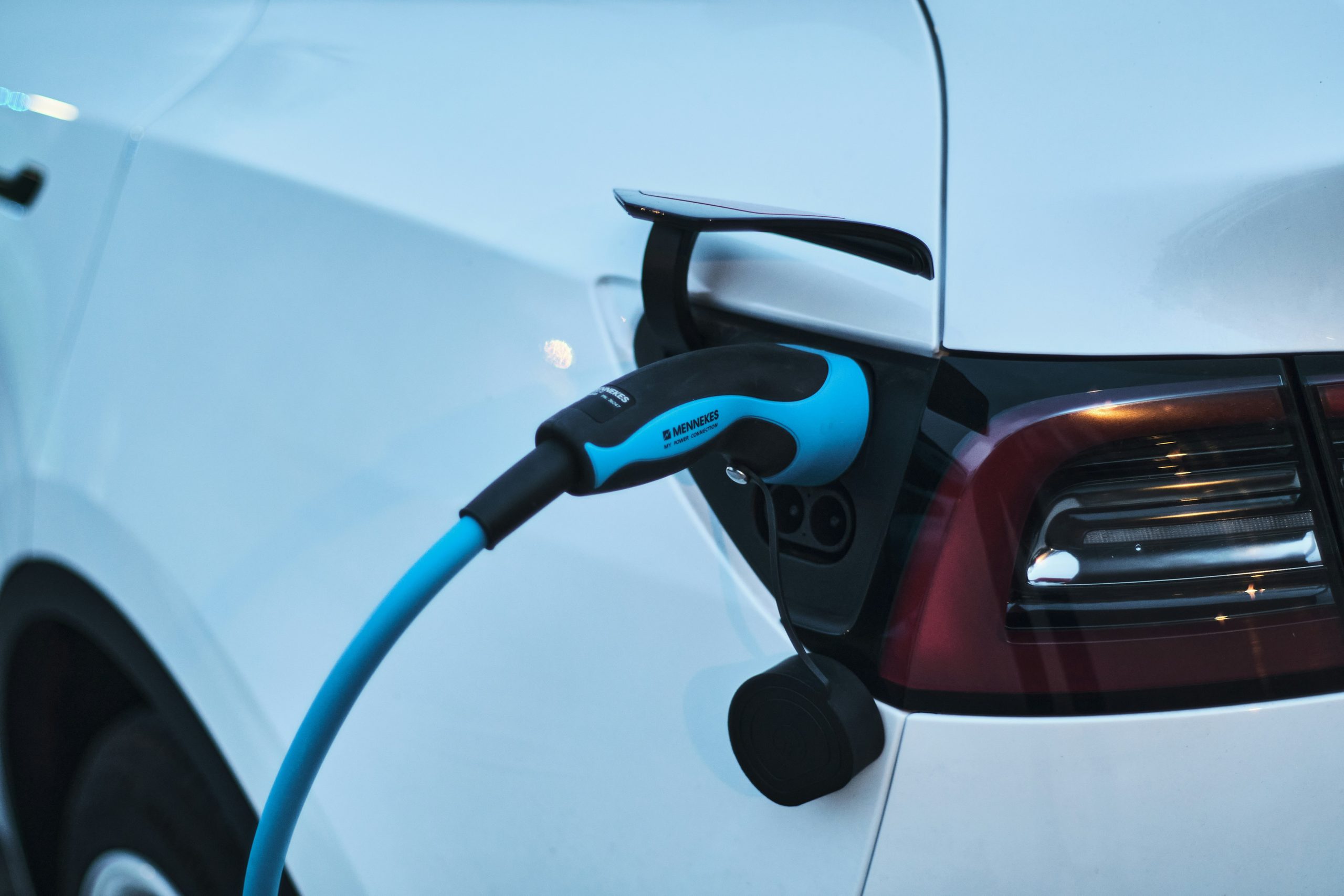
The numbers back him up. According to Naamsa, the National Association of Automobile Manufacturers of South Africa, new energy vehicle sales in the first seven months of this year already equalled 97.5% of all new energy vehicle sales recorded in the whole of 2025. Electrified commercial vehicles are starting to appear too, across light, medium, and extra-heavy applications, which shows the transition is spreading beyond passenger cars.
“South African buyers are transitioning to EVs, and the growing number of models on offer proves what manufacturers already know,” Parmar says. “Local appetite for EVs is growing rapidly, and this needs to be converted to local manufacturing.”
Fossil-fuelled vehicles, meanwhile, face a harder road. Petrol and diesel not only release carbon dioxide, which drives climate change, but supply is also becoming less predictable as conflicts disrupt production in fuel-producing regions. How quickly EVs take over South Africa’s roads once charging infrastructure catches up remains to be seen, but the direction of travel is clear.
Electric Vehicles South Africa and the Future of Mining Safety
The shift toward cleaner, smarter technology is not confined to the roads. South Africa’s mining equipment manufacturing sector gathered at the 2026 Mining Equipment Manufacturers of South Africa (MEMSA) #Mindshift Conference with a shared understanding: the country’s biggest industry is entering a period of rapid transformation, driven by artificial intelligence, digitalisation, localisation, sustainability, and a changing workforce.
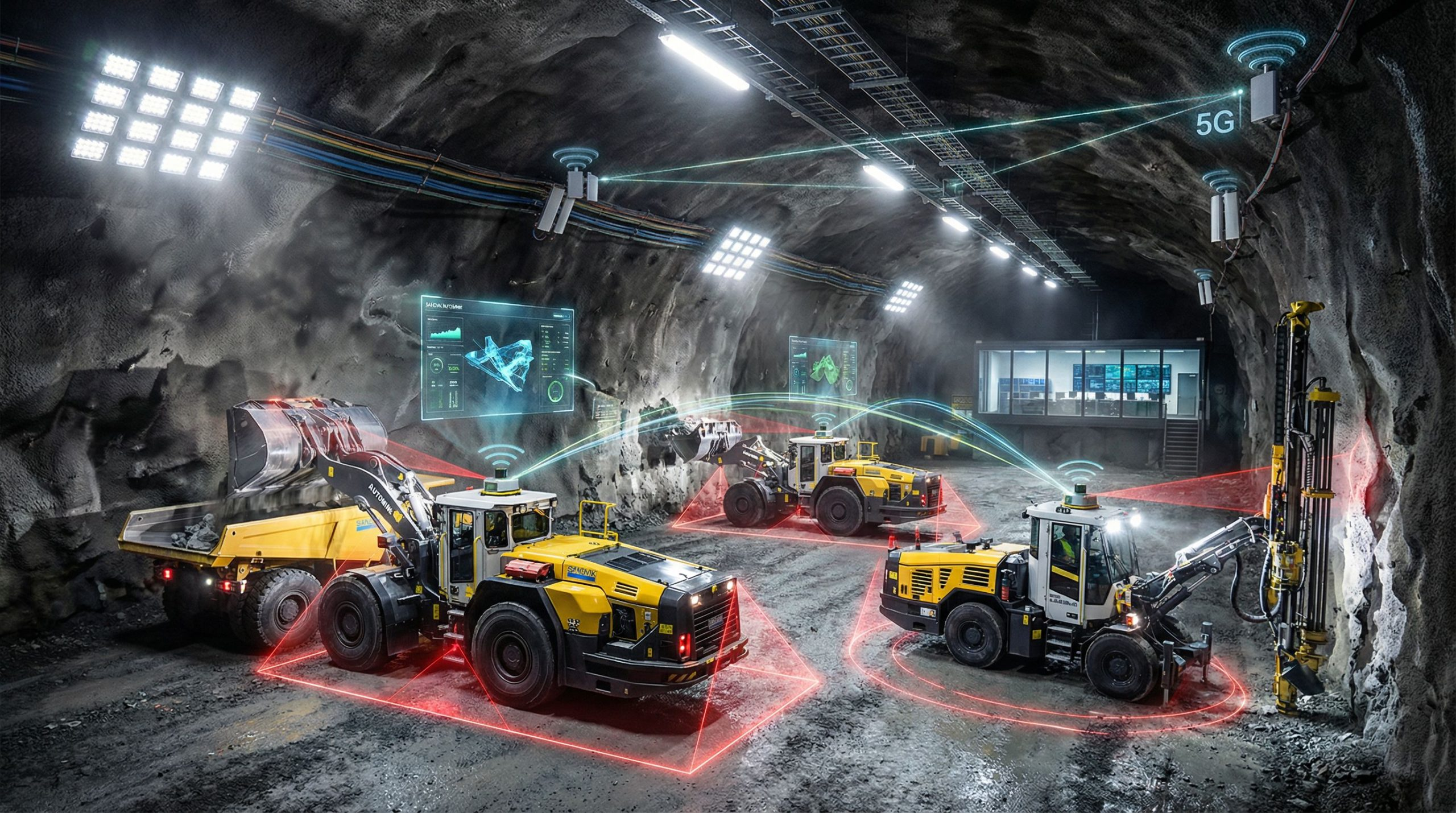
The conference looked beyond the technology itself to the structural and cultural shifts needed to keep South Africa’s mining supply chain resilient and globally competitive.
AI Is Moving Into Knowledge Work
Earlier waves of automation mostly affected blue-collar roles. This one is different. AI is increasingly taking on reporting, analysis, administration, coding, and other knowledge-based tasks, a theme that ran through much of the conference.
Speakers also questioned whether traditional, multi-year research and development cycles can keep pace with how fast technology is changing. The call was for more agile, industry-driven, commercially focused R&D, particularly in automation, mineral processing, the shift to cleaner energy such as EVs, and AI-enabled systems.
Safety, Automation, and the Human Element
Used well, AI and robotics can make mining safer. Deploying an automated unit or small robot through a deep shaft or narrow crevice means a miner does not have to put themselves in that kind of danger.
Workers’ rights stayed central to the conversation at the conference. Speakers stressed that AI must enable the people doing the work, not replace them, even in the most physically demanding roles.
Analysis: AI and robotics are powerful tools for analytics because they follow direction and respond to prompts, but they do not originate independent thought. They process information based on how they were built and trained, while people carry forward experience and judgement built up over years, something no system can fully replicate. However the Fourth, or even Fifth, Industrial Revolution unfolds, human potential cannot be replaced by what it has created.