
9 Essential Self-Defence Awareness Tips to Keep You Safe
Personal safety deserves daily attention, not just a passing thought. After all, many people picture martial arts moves when they hear “self-defence.” In reality, true protection starts long before any physical confrontation happens.
That’s why security expert Buddy Govender compiled nine essential self-defence awareness tips. Together, these strategies help you avoid danger and respond with confidence if a situation escalates.
Core Principles of Personal Safety
Your everyday habits form the foundation of personal safety. Indeed, the way you carry yourself can stop an attack before it even starts.
1. Master Your Situational Awareness
First, stay constantly aware of your surroundings. Whether you are walking to your car, moving through the office, or approaching your home, keep your head up. For instance, avoid looking at your phone while walking. As a result, spotting potential danger early gives you time to avoid it or prepare to defend yourself.
2. Mind Your Body Language
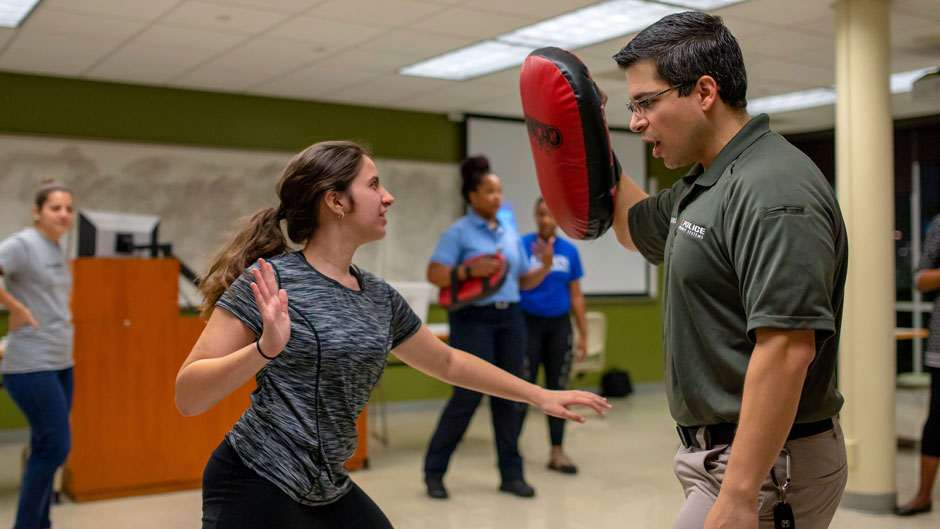
3. Keep Your Eyes Open
Direct eye contact tells someone you see them and are aware of their presence. On the other hand, avoiding eye contact signals insecurity instead. Consequently, an attacker is far more likely to target you if you look away.
Verbal Tactics and Managing Distance
Physical fighting should always be a last resort. In addition, your voice and your ability to manage space are powerful deterrents too.
4. Talk Your Way Out
Self-defence is not only about throwing punches. In fact, talking your way out of a compromising situation is often highly effective. To do this, speak with confidence and project your voice. For example, a firm line like “My husband is just around the corner and on the way, so leave me alone” can defuse a threat quickly.
5. Protect Your Personal Space
Never let a stranger get right up into your face. If someone’s proximity makes you uneasy, act immediately. Specifically, stick your arm out in front of you to create a barrier and keep them at a safe distance.
6. Use Your Voice as a Weapon
Your voice is one of your most valuable tools. For example, shouting attention-grabbing words like “GET BACK,” “NO,” or “STOP” draws attention from bystanders fast. As a result, that sudden noise often makes an attacker rethink their actions and flee.
Physical Self-Defence Strategies
If a situation turns physical, however, you need to act quickly and decisively.
7. Make Yourself a Difficult Target
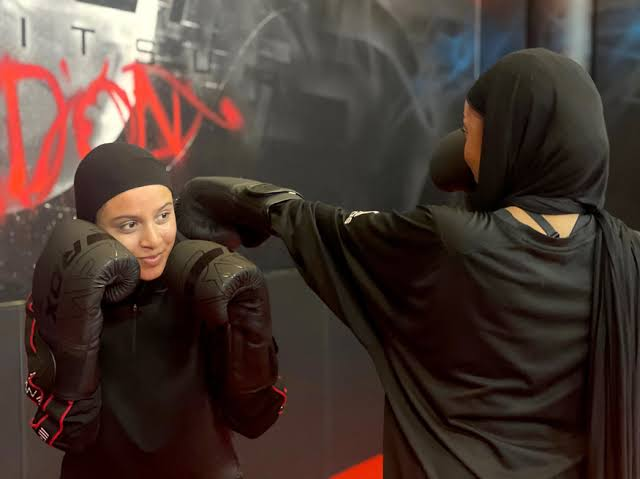
If an attacker grabs you, do not freeze. Instead, keep moving. If you fall, roll to prevent them from pinning you down. Similarly, if they try to lift you, drop your weight and make your body as heavy as possible.
8. Know the Vital Target Areas
If you are forced to strike, make it count. Specifically, target the vertical centre of your attacker’s body. These vulnerable areas include the nose, mouth, throat, stomach, and groin, as well as the ears, temples, and knees. Above all, strike hard and without warning.
9. Identify Your Natural Weapons
You do not need a tool to defend yourself, because your body is already equipped. So, learn to use your fists, palm heels, elbows, knees, heels, and feet to strike the areas above.
Preparation Prevents Panic
Knowing your own capabilities is critical. Therefore, practice these self-defence awareness tips and techniques regularly. Otherwise, panic takes over in the heat of the moment.
On the other hand, practising these concepts in your spare time trains your body and mind to respond calmly. Whether you rely on your voice, your physical strength, or your wit, the goal is always to stay calm and confident.
Take Action Today
Don’t wait for an emergency to start thinking about your safety. Instead, share this article with your family, friends, and colleagues to help keep your community safe.
For professional guidance or to arrange a training session, contact Buddy Govender on +27 83 560 1213.