Russia Increases Diesel Output
Following a recent fuel agreement between US President Donald Trump and Russian President Vladimir Putin, Russia diesel production has seen a notable increase. This development raises questions about whether the deal will lower global fuel prices or primarily provide Moscow with additional income during its war in Ukraine.
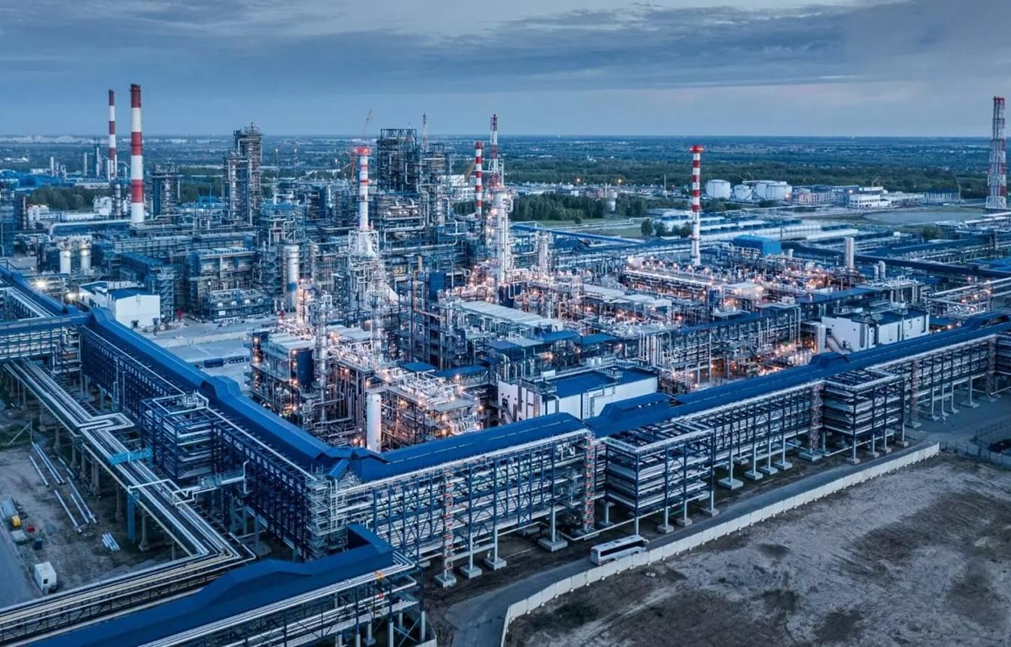
According to Reuters, Russian refineries have ramped up output following Washington’s decision to temporarily ease restrictions on Russian fuel exports. Under the new agreement, Russia plans to supply 300,000 tonnes of diesel in October. This volume is scheduled to increase to 500,000 tonnes in November, with a long-term target of one million tonnes monthly. The deal marks a major shift in US policy, reversing years of restrictions aimed at reducing Russia’s energy export revenue.
Will the Russia Diesel Production Deal Lower Fuel Prices?
President Trump has defended the agreement as a necessary effort to reduce fuel costs for American consumers, particularly benefiting farmers and transport businesses. However, energy experts question whether the additional Russia diesel production will make a noticeable difference in the market.
Sergey Vakulenko, a senior fellow at the Carnegie Russia Eurasia Center, explained that Russia was already exporting most of the diesel it could produce. He also highlighted how Ukrainian attacks on Russian refineries continue to heavily affect production capabilities. Similarly, Clayton Seigle, an energy strategist at the Center for Strategic and International Studies, expressed doubts. Speaking to the Associated Press, Seigle stated that the impact on prices would likely be minimal.
Why the Trump-Putin Agreement Is Controversial
The fuel agreement has drawn sharp criticism from Ukraine over concerns that increased Russian fuel sales will directly help finance Moscow’s ongoing military operations. Ukrainian President Volodymyr Zelensky criticised the move, describing it as a weak decision by strong partners.
Furthermore, the agreement allows Russia to earn more from its diesel exports despite international efforts to restrict its energy income. While Trump hopes the deal will ease pressure on domestic fuel prices, experts remain highly sceptical about its overall economic impact. The coming months will reveal whether Russia can meet its ambitious export targets and if the agreement delivers any meaningful savings for everyday consumers.
PREPARED BY: Hudaa Ahmed