
World markets including South Africa face instability and insecurity as a result of the Iran-Israel conflict tip the scales for global oil and petrol prices if the conflict does not end with a ceasefire. The domino effect has been felt across the globalized world, what happens in one geographic part of the planet, invariably effects the rest of the globe. This is the reality of the current geopolitical conflict in the Gulf. Oil prices have become volatile, while investors turn to gold as a secure commodity, and the rand experiences the shock. According to Frank Blackmore, the lead economist at KPMG, says the impact of the conflict between Israel and Iran in global markets, including South Africa will be determined by two key factors.
“Firstly, the scale of the conflict matters. Will it escalate, and will other nations become involved by taking sides? “If the conflict intensifies beyond what we are currently witnessing, the impact will be far more significant. Secondly, the duration of the conflict also matters. If it is resolved swiftly, the effects on the markets will likely be limited. “The impact will be felt in two ways. Firstly, through the oil price, and we have already seen an increase since the onset of the conflict. Secondly, through the exchange rate, the rand has already depreciated due to heightened uncertainty, which could lead to inflationary pressure on the local economy and the possibility of interest rates remaining higher for longer.”
Blackmore says that given that both oil and the exchange rate affect the impact of the cost of transporting people and goods around the economy, the inflationary impact will be shifted down onto the consumer in the form of higher inflation. The Reserve Bank may then be forced to maintain elevated interest rates for an extended period.

The continuity and escalation of the Israel and Iran conflict is a matter no one wants to see. South Africa is more or less closely allied with both the United States which supports Israel and Russia and China which officially support Iran. Both the Israelis and Iranians are licking the wounds they experienced from the missile blasts they fired against each other. Oil prices are certain to rise if the flow of exports from the Persian Gulf is halted by the engulfment of those countries in the war. The US has military bases in the United Arab Emirates, Bahrain, Qatar and Saudi Arabia. If the US becomes involved in the war, should it escalate then the consequences would be far reaching.
A protracted war with Iran on the one side and Israel on the other would sent oil prices spiralling. South Africa is a significant importer of oil from the Middle East region. The escalation in prices could see an increase in prices of petrol, gasoline, and even transport. The price increase could see cut backs in the manufacture of certain goods and the loss of jobs.
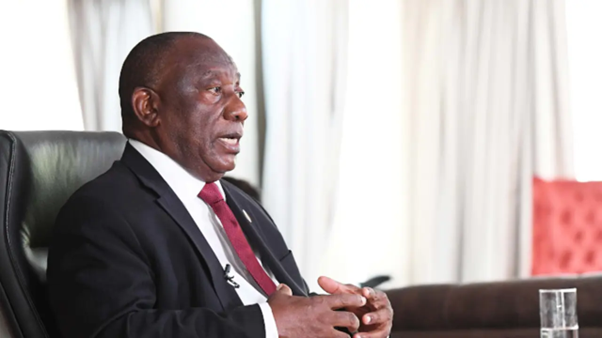
Meanwhile President Cyril Ramaphosa says the nation is already experiencing repercussions from the war.

The president has called for dialogue between the two Middle Eastern countries. Israel launched air strikes against Iran a week ago, claiming the country was on the verge of developing a nuclear weapon. While fielding questions from the sidelines of the Constitutional Court’s 30th anniversary on Friday, Ramaphosa called for dialogue between Iran and Israel. “Dialogue and peacemaking are the only way in which to solve problems. And we say it must happen immediately without resorting to further airstrikes and bombs.” He added that with the war comes uncertainty: “We are already suffering from price rises in our fuel.” Before Ramaphosa could take any more questions on the geopolitical matters, Justice Minister Mamoloko Kubayi stopped him and urged the media to focus on the theme of the event. Meanwhile, there are talks of how to instil the ideals of the Constitution in the everyday lives of South Africans.
Ramaphosa is right to be fearful of a full-scale war between Israel and Iran. South Africa will be compelled to choose a side. If it takes the side of the Israelis, it would be terribly awkward given the case of genocide it is pursuing against Israel in the Hague for its war in Gaza. If it allies with Iran in some way the US and Europe will cut of all trade ties to it. The most likely scenario for Pretoria is neutrality, but as a member of the BRICS Plus bloc it will likely support whatever stance China and Russia take. It is still very much ironic that Israel fears the idea that Iran is pursuing the creation of a nuclear bomb, while the Israelis have the largest nuclear arsenal in the region. Ramaphosa will no doubt continue to touch on the Iran-Israel conflict’s development in the future but he will also have to focus on the implementation of the constitution and its progress.
Article written by:
Yacoob Cassim
Journalist at Radio Al Ansaar