
Inflation has gone downwards since August. South Africa has experienced a decline in rising prices that has seen surprise expressed from market and economic predictions of a slight rise. Annual consumer price inflation dropped from 3.5% in July 2025 to 3.3% in August 2025. Lower inflation in terms of food and fuel was able to cool off the headline rate.
Market analysts and economists anticipated a small hike in inflation for the month, with consensus sitting around 3.6% to 3.7%. A drop in inflation came a surprise. CPI decreased by 0.1% month-on-month in August 2025, with four of the 13 categories seeing monthly declines. Annual inflation for food & non-alocholic beverages subsided to 5.2% from 5.7% in July. Several categories recorded lower rates, including cereal products; fish & other seafood; milk, other dairy products & eggs; fruits & nuts; and vegetables. Some staples are cheaper than a year ago, including hot cereals (-7.8%) and white rice (-7.2%). Bread and pasta products recorded zero or low price increases. However, other staple items are becoming far more expensive, including samp (+14.8%) and maize meal (+8.2%).
Beef products continued to register high annual rates, even if the monthly price increase in August was the lowest since April.

South African consumers are in luck. Food staples have become more abundant leading to a decline in basic commodity prices. There is still the matter of increases in prices for some food stuffs but overall, most commodity prices have come down. This means that in spite of the imposition of tariffs, the country’s agricultural sector is flourishing, it continuing to trade in local goods. Both government and business have to promote this along other economic sectors such as the business and Industrial areas. This could be an opportunity to improve the job market depending on the perspective of cooperation between government and business. South Africa’s provinces need to trade with each other, become interdependent as well as trade with South Africa’s neighbours.
In some cases, meat is considered a luxury but its price range remains largely unaffected. Beef and mutton are primary examples of this.
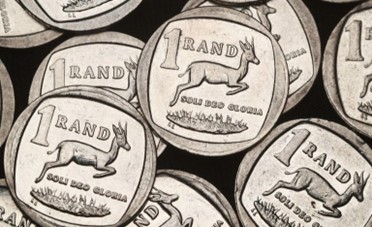
The Rand has now grown weaker against the Us dollar. This comes ahead of an unexpected U.S. Federal Reserve interest rate cut and local rate-setting meeting on Thursday.

At 1228 GMT, the rand traded at 17.38 against the dollar, down 0.2% from Tuesday’s close. Markets are certain the Fed will cut rates by at least 25 basis points when it makes its policy announcement later in the day. Local inflation unexpectedly slowed to 3.3% in August, thanks to softer fuel and food prices. “This softer-than-expected outcome raises the probability of a SARB rate cut at tomorrow’s meeting closer to around 50%,” said Johann Els, a chief economist at Old Mutual. “My base case remains for no change, although easing pressures from the rand, oil and food prices could see some Monetary Policy Committee members vote for a cut.” July retail sales rose 5.6% year on year in July, data on Wednesday showed, after rising by a revised 1.7% in June.
On the Johannesburg Stock Exchange, the Top-40 index was last down 0.1%.

The exchange rate has always been in a delicate balance between currencies. The dollar remains the dominant reserve currency and the Rand at its weaker rate proves popular for foreign investors. The drop in inflation has steadied the Rand and has availed the country a new opportunity to grow the economy. The Rand is now on steadier ground. The South African Reserve Bank (SARB) may rate cut the currency on Thursday the eighteenth of September, but likely prices will remain the same. There might be surprises in the future depending on the patterns of the market. Should they turn chaotic. Easing measures for the Rand just in case is a good path to follow. This is a unique opportunity which no one in government from the Treasury to the SARB should spoil.
Pretoria and the major corporations in Johannesburg should take note. This could be a win-win situation.
Article written by:
Yacoob Cassim
Journalist at Radio Al Ansaar