By Prudence Mathenjwa
As South Africa marks Heritage Month, the question of how young people are connecting with traditional food comes to the fore. While some remain deeply rooted in cultural dishes, others are blending tradition with modern influences, reflecting the diversity and dynamism of today’s food culture.
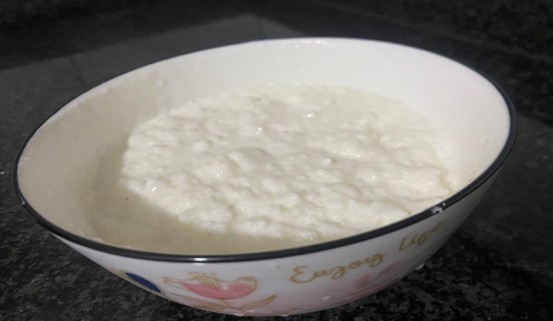
At Eshowe TVET College, Mcebisi Shongwe, a student studying agriculture and holds tradition and culture dearly in his heart proudly shares his love for amasi, a classic Zulu dish of fermented sour milk often enjoyed with uphuthu (crumbled maize meal).
“This is one of the many dishes I love to eat the most as a Zulu young man and I cook it many times at res (student residential accommodation),” he said.
“Amasi is way better than modern meals, it is a traditional meal that we have at home and is very healthy especially for young men who growing up and build muscle,” he added.
For another youth, a Journalism student at the Durban University of Technology; Sphumelele Madide says experimenting with food has become her way of honoring heritage while embracing global culinary trends. This young women describes how she enjoys “playing around with food” to make healthier, creative versions of traditional meals. Where previous generations might have prepared samp with beans or spinach in its simplest form, today’s cooks add creamy textures or mix in flavors from other cultures, producing dishes like creamy samp or spinach enriched with dairy.
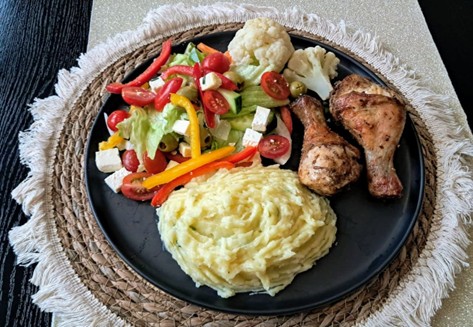
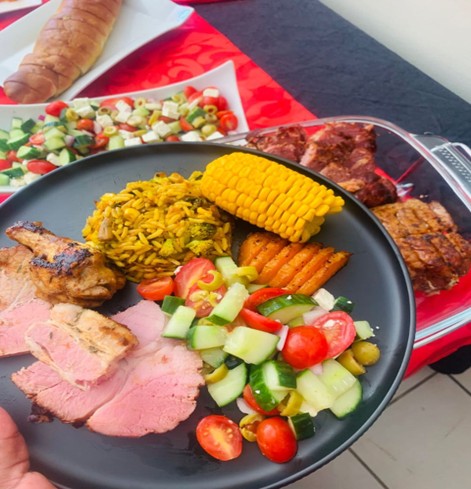
“My favourite traditional meal is tribe (usu) and steamed bread (ujeqe) but, the food I enjoy making is simple food, since I am lazy to cook. I love quick things like your savoury rice, grilled meat and put some vegetables in there,” she said.
“I love how diverse things have become, since there is no one way to cook your food.”
Yet, not everyone views these shifts positively. 61 years old Nomusa Mthembu reflects with concern on what she sees as the neglect of wholesome traditional meals.
“In our time,” she recalls, “we would return from school to dishes like amasi, pumpkin porridge (isijingi), or maize with beans (isgwaqane). These foods were simple, but they were healthy. Nowadays, many young people prefer oily, processed meals.”
She further laments changes in health patterns she observes among the youth, such as early puberty, which she associates with different eating habits and the increased consumption of rich foods like eggs, cheese, milk, or margarine.
“As young girls, we were monitored on how much of eggs, cheese, milk or margarine we ate,” she explains.
“We thought it was unfair to us, seeing the boys eating it with restraint but later we understand that these foods were not meant for our growing bodies at the time.”
The stories of these students and the elderly view capture the tension between continuity and change in South Africa’s food traditions. While some young people hold on tightly to heritage meals, others reinterpret them with modern flair, and elders remind the nation of the nutritional wisdom embedded in ancestral diets. This Heritage Month, food once again proves to be more than nourishment; it is a memory, identity, and a living conversation between generations.