
The risk of pollution in ground water is increasing. South Africa’s water pollution situation is well-documented, with surface water resources under immense pressure from overuse, pollution and climate change. However, amidst the concerns, the cleanliness of ground water as a source of drinkable liquid remains under threat.
This underground reservoir, accessed through boreholes and springs, serves as a vital backup to the country’s primary water supply and is increasingly becoming a lifeline, especially for rural communities and agricultural operations. Despite its depth and presumed natural protection, groundwater is not immune to contamination, says Charlotte Metcalf, CEO of the South African National Bottled Water Association (SANBWA): “One might think that groundwater is naturally protected, seeing as it resides deep underground. But the influence of human activities is not sparing these underground reservoirs.” GCS Water and Environment CEO Andrew Johnstone agrees: “Because groundwater is an invisible resource, management is more difficult. Where groundwater is located close to human activities it may become contaminated by anthropogenic sources such as sewerage leaks and chemicals (for example pesticides used in neighbouring gardens), making it unfit for human consumption.”

So, ground water is unsafe to drink, this would be especially worrying when you live in a rural area that uses such water. Ground water when it comes to the surface and has been affected by more than sewerage waste can be deadly. The use of chloride can be used to clean harmful chemicals from the water. This should happen after you filter the water of heavier substances and then boil it. This practice once used should kill the harmful bacteria such as the E. coli virus and cholerae. Education about these uses and the resources concerning water should be a priority. Both the state and civil society (NGOs and educational outlets) need to reach out and assist in alerting communities that use ground water. Chief among them as regards the government is the Education and health departments. They could save a lot of lives in the rural areas through education.
A 2021 study published in ScienceDirect titled “Groundwater Contamination in Sub-Saharan Africa” revealed alarming levels of harmful bacteria, such as E. coli, in groundwater sources close to human activity. Households and business premises that utilise boreholes for drinking water must be vigilant; it is crucial for borehole users to not assume the safety of their water, especially if they are near human and/or industrial activities. Regular testing and monitoring of borehole water are essential practices to ensure it remains safe for consumption. Groundwater supplies the majority of small urban and rural communities in South Africa and is critical in agriculture where it is used for livestock and irrigation – the vast majority of famers in Southern Africa rely on groundwater for both domestic consumption and livestock watering.

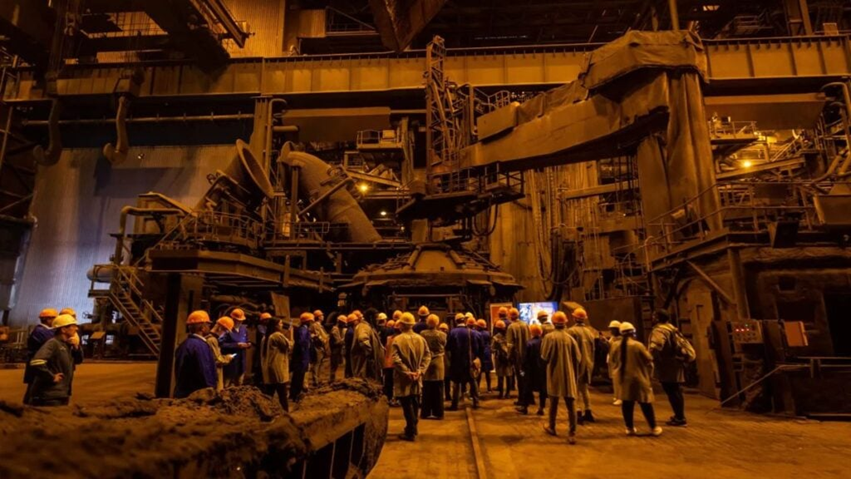
AMSA’s foreclosure is a symptom of a wider malaise that is plaguing the South African economy and businesses. Companies and corporations such as AMSA have been left out in the cold by the government’s decision to allow imports at cheaper prices into the country. Industrialization of the country’s local economy requires some form of protection from the state, perhaps in the form of subsidies to keep the price low or government should do its part to improve and upgrade the infrastructure. The impact of state capture and its charade of abuse of State-Owned enterprises (SOEs) and price manipulations with no doubt have scarred the local steel business as well. Now there is the risk of 189 steel workers and their families being put at risk of unemployment and possibly destitution. If the government of Cyril Ramaphosa doesn’t find a way to salvage the situation, then the country’s business leadership will receive a severe blow.
Ramaphosa must take charge alongside the Government of National Unity (GNU) and improve the situation by providing decisive action. This means monitoring the condition of infrastructure and decentralization of monopoly of resources by SOEs. The fall out could extend beyond AMSA.
Meanwhile Inflation is about to make a return to the economy. The country’s Finance Ministry and central bank made a joint statement on Monday that technical work on whether to change South Africa’s target was drawing to a close.
One creative way to collect and conserve water is to use a large rain water tank connected to the drainage. Rain water that is easily collected can be cleaned using specialised chemicals such as chloride. There after boiling water will take care of the last germs and viruses receding there. The shortage in water from the reservoirs can be attributed to climate change. This means more awareness can be made as regards to the harm greenhouse gases are having on the weather. Maintenance of the drainage and water pipes in the cities need to be checked and repaired daily. The government in South Africa is already doing a good job investing in educating the young concerning the harmful effects of dirty water. Cholera and E. coli should be a thing of the past if education about cleaner habits is spread.
Clean water need not be taken for granted as should be good health.
Article written by:
Yacoob Cassim
Journalist at Radio Al Ansaar