
The world order isn’t cracking – it’s being exposed.
As tensions escalate between Iran, Israel and the United States, the real story is unfolding beneath the headlines. This is no longer just a military confrontation. It is revealing a deeper shift in how power actually works – and how fragile the idea of global alliances has always been.
For decades, the system looked stable. Alliances were treated as guarantees. The West moved as a bloc. Strategic partnerships created the illusion of control. But this conflict is showing something far less comforting. When pressure rises, countries don’t act out of loyalty – they act out of survival.
And survival doesn’t care about alliances.
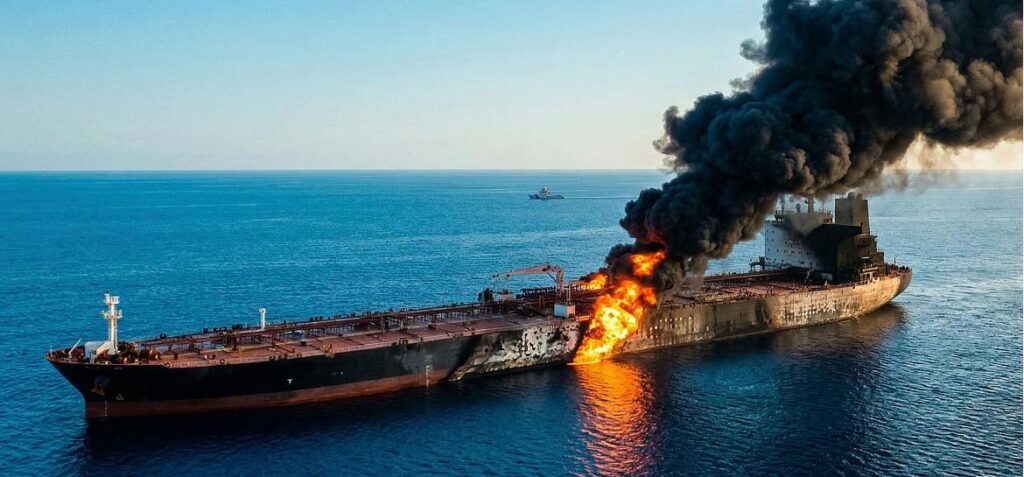
The impact is already visible, not in speeches, but in systems. Global business is being disrupted in real time. Key trade routes are under strain. Airlines are rerouting or cancelling thousands of flights across the Middle East. Energy markets are reacting to uncertainty, with oil volatility increasing as fears grow over supply disruptions. The cost of moving goods, fuel and raw materials is quietly rising in the background.
This is how modern crises spread – not with one explosion, but through systems that start to fail all at once.
Market analysts warn that the conflict is already “upending global business,” with disruptions hitting industries that rely on stability and precision. From aviation to shipping to energy, the ripple effects are no longer contained. They are moving outward, fast.
And once that process begins, it doesn’t stay controlled.
We’ve seen this pattern before. Major conflicts have always reshaped the global system. World War I dismantled empires. World War II created superpowers. The Cold War divided the world into rigid, predictable blocs.
But this moment is different -and more dangerous.
Instead of forming new alliances, the world is drifting into something far less stable. Countries are hedging their bets. Some are staying silent. Others are choosing selective involvement. The clear lines that once defined global power are fading, replaced by something far more uncertain.
And uncertainty is where mistakes happen.
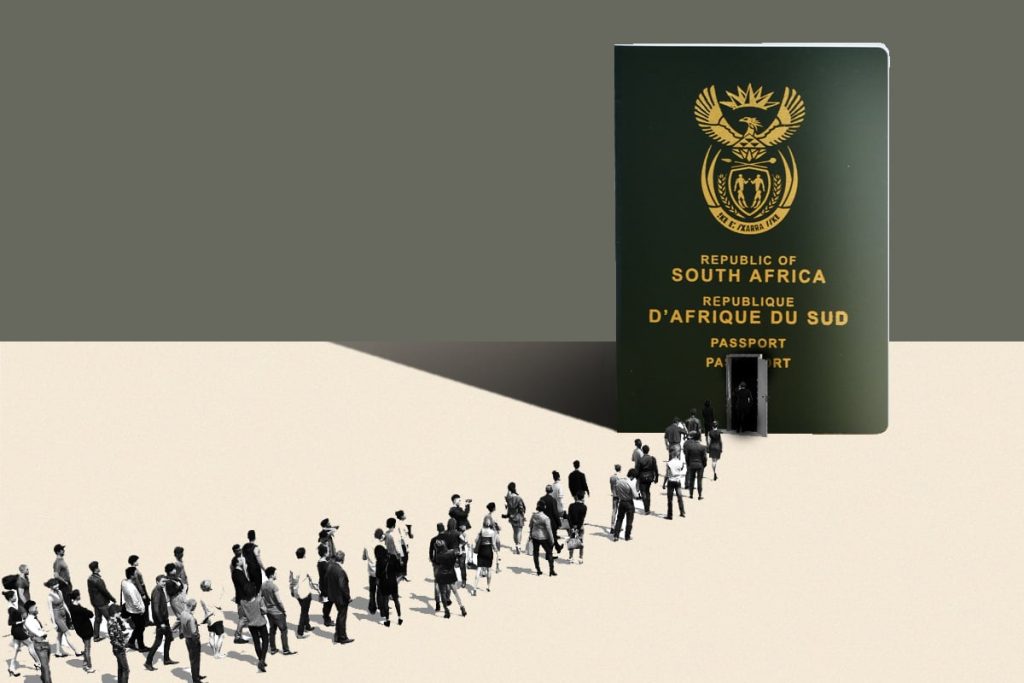
If this continues, the consequences will not stay contained. Energy prices will remain volatile. Supply chains will tighten. Food production costs could rise as fertiliser and fuel become more expensive. Economies already under pressure -including South Africa – will begin to feel the strain through higher costs and inflation.
This is how a distant war becomes a local problem.
The uncomfortable truth is that this conflict is not just testing military strength. It is testing whether the global system itself can still hold.
And right now, it’s not looking convincing.
Because the real story isn’t who wins this war.
It’s that the rules that once kept the world predictable are quietly disappearing – and nothing solid has replaced them.
Article written by:
Hudaa Ahmed
Journalist at Radio Al Ansaar