KwaZulu-Natal (KZN) is positioning tourism at the heart of its economic sustainability strategy, with leaders stressing that the sector is more than leisure—it is a driver of jobs, investment, and inclusive growth.
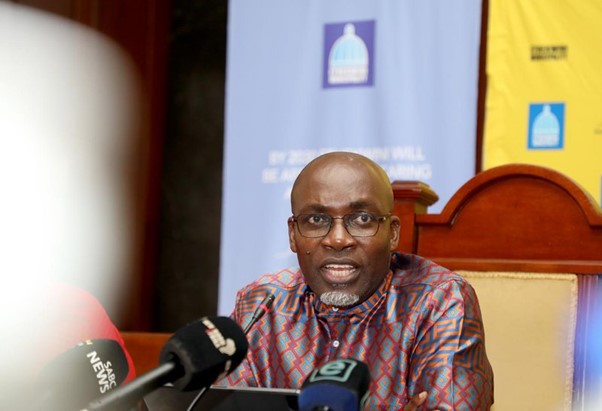
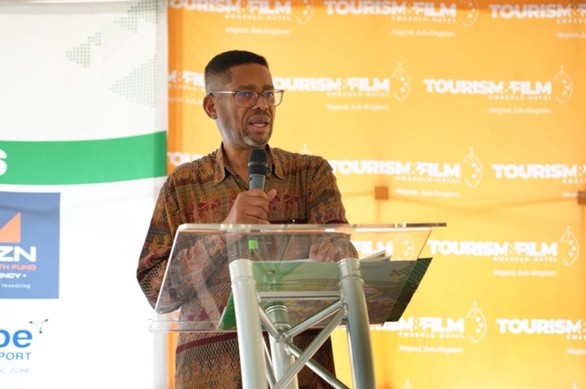
Launching Tourism Month celebrations in KwaDlangezwa on Thursday, MEC for Economic Development, Tourism and Environmental Affairs Reverend Musa Zondi said tourism was “one of the most powerful forces for growth and transformation in our economy,” and that KZN was determined to ensure its benefits reached every corner of the province.
Speaking under the global theme “Tourism and Sustainable Transformation”, Zondi declared that KZN’s tourism resurgence is a story of resilience and sustainability.
“Every new tourist represents more than just a visitor,” he said. “They bring income for families, opportunity for entrepreneurs, and renewed hope for communities.”
He noted that KZN had recorded a 13.5% rise in visitor arrivals this year, calling it “living proof that KZN is not merely recovering but accelerating.” Zondi stressed that this growth must also be inclusive: “Tourism cannot be confined to our cities—it must uplift township and rural businesses, empower women and youth, and invest in resilience for the future.”
Several major investments are already reshaping the province’s tourism economy. Southern Sun has injected R1 billion into refurbishing Durban’s beachfront hotels, while Richards Bay is preparing for a 153-hectare waterfront and conference precinct. Plans are also underway to unlock northern Zululand’s rural tourism potential through projects like the Port Durnford Beach development and the King Cetshwayo Heritage Route.
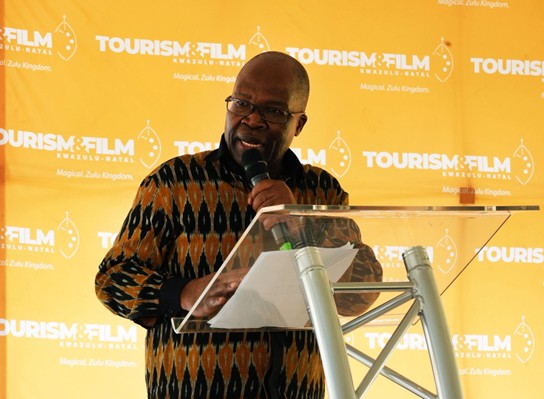
Dr. Sibusiso Ndebele, Chairperson of the KZN Tourism and Film Authority Board, placed the province’s tourism growth firmly in the context of economic sustainability. In the first quarter of 2025 alone, KZN welcomed 194,000 international tourists, contributing R1.5 billion in foreign spend, while 1.9 million domestic trips generated R6.1 billion.
“KZN’s strength lies in the fact that 78% of our travel is home-grown,” Ndebele said. “Nearly four out of five trips are by locals exploring their own province—the highest intra-provincial tourism rate in the country. This means that tourism is not only sustaining international appeal but deeply rooted in local communities.”
To reinforce this, Ndebele introduced board members as “District Champions” across all 11 districts to align local initiatives with provincial strategies.
Article written by:
Thabile Duma
Journalist at Radio Al Ansaar