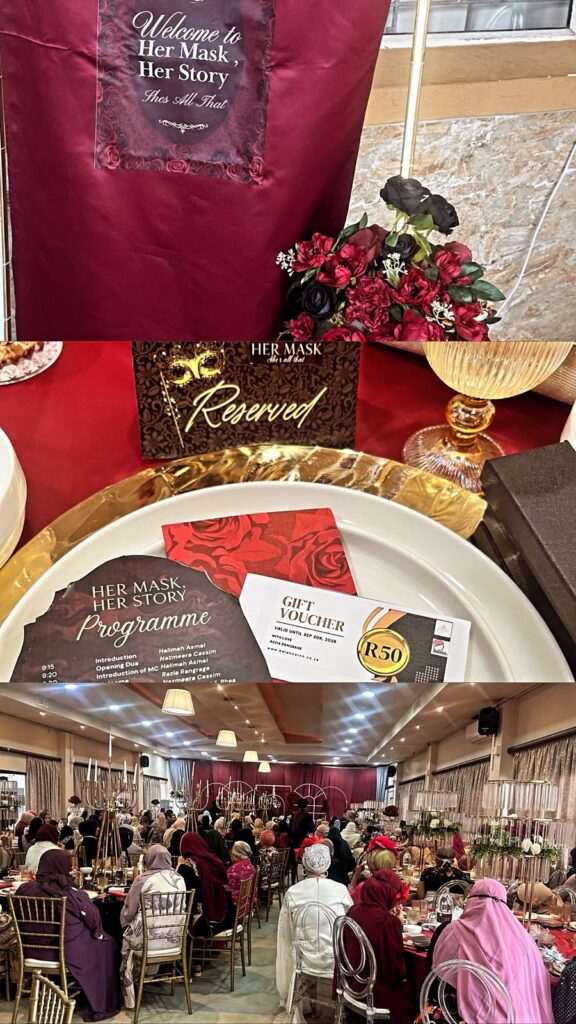

Marriage isn’t failing – we are.
Everyone is searching. Complaining. Questioning where the “right person” has gone. But the real issue is far less comfortable: people are not struggling to find love – they are struggling to sustain it. And no one wants to admit that the problem might not be the pool… it might be the swimmer.
This matters because in a Muslim context, marriage is not casual. It is structure. Stability. Protection. When it weakens, the damage doesn’t stay between two people – it spreads into families, children, and entire communities. This is not just about relationships. It is about what kind of society we are quietly building.
The shift is already measurable. According to Pew Research Center, nearly half of adults are single, with many choosing to delay or completely avoid long-term commitment. On the surface, it looks like independence. In reality, it often reflects hesitation, fear, and an endless search for something “better.” When everything is an option, nothing feels worth choosing.
At the same time, the Harvard Study of Adult Development has spent decades proving a simple truth: strong relationships are the single biggest predictor of long-term happiness and well-being. Not wealth. Not status. Not success. Relationships. We already know the answer – we’re just not living it.
Psychology exposes why. As outlined by Verywell Mind, attachment styles shape how people behave in love. Avoidant individuals pull away the moment things get real. Anxious individuals chase reassurance, often overwhelming the relationship. Secure individuals – those capable of balance, trust, and communication – are the minority, not the norm.
Psychologist Amir Levine explains it plainly:
“Our attachment style influences how we behave in every romantic relationship – often without us even realizing it.”
And that’s the problem. People are entering relationships emotionally untrained – and expecting them to succeed.
Here’s the uncomfortable reality:
We don’t lack love. We lack emotional discipline.
People want connection, but fear vulnerability. They want loyalty, but struggle with consistency. They want peace, but bring unresolved trauma, ego, and impatience into every interaction. So what happens? They test instead of trust. They withdraw instead of communicate. They protect themselves so aggressively that they destroy the very thing they were trying to build.
Then they call it “bad luck.”
Historically, marriage within Muslim communities was built differently. Structure came first. Commitment came early. Growth happened inside the relationship. Today, that order has flipped. People expect emotional perfection before commitment – while doing little of the internal work required to reach it.
And here’s where the real tension lies:
We are following modern habits with traditional expectations.
We want the stability of marriage – but live with the mindset of detachment. We want lifelong partnership – but treat people as replaceable. We want depth – but avoid the discomfort required to build it.
Nikah is simple. What’s complicated is people – unhealed, impatient, and expecting marriage to succeed where they have never done the work.
If this continues, the consequences won’t just be personal – they will be generational. Weak relationships create unstable homes. Unstable homes shape uncertain futures. And slowly, the very foundation meant to protect us begins to crack.
So the solution is not more searching. It’s more preparation.
Less focus on finding the right person. More focus on becoming someone capable of sustaining love. Less ego. More accountability. Less performance. More sincerity.
Because the truth is uncomfortable – but necessary:
We are not struggling to find love.
We are struggling to deserve it.
Article written by:
Hudaa Ahmed
Journalist at Radio Al Ansaar