
A soldier didn’t just take part in an operation. He bet on it – and walked away with over $400,000.
Not because he was lucky. Because he knew.
A U.S. Army Special Forces soldier, Gannon Ken Van Dyke, has been charged with using classified information to profit from a military operation tied to the removal of Venezuelan leader Nicolás Maduro.
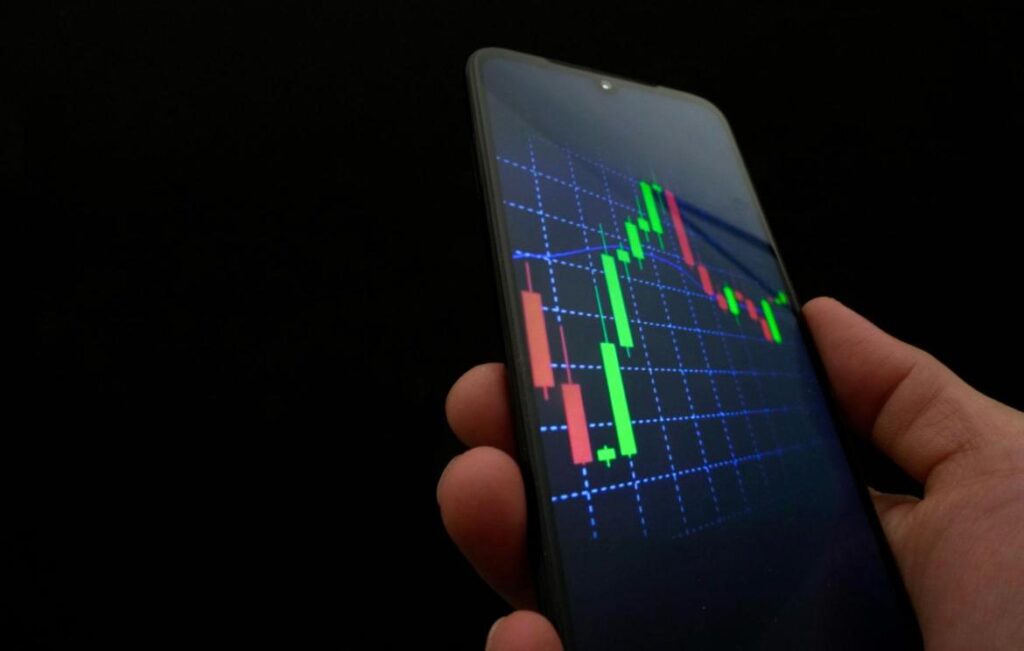
According to the U.S. Justice Department, Van Dyke allegedly used insider knowledge – gained through direct involvement in the operation – to place bets on a prediction market platform, Polymarket. He reportedly turned roughly $33,000 into more than $400,000, with most of those bets placed just hours before the operation unfolded.
Pause for a second. Read that again.
This wasn’t a gamble. It was timing.
He now faces charges including wire fraud, commodities fraud, and the unlawful use of classified government information. But that’s not the part that should concern you.
Because this isn’t really about one soldier crossing a line. It’s about what that line actually protects – and how easily it can be used.
Prediction markets have been growing quietly – platforms where people bet on real-world outcomes, from elections to economic shifts and policy decisions. Now add something new to that list: military operations.
And here’s where it gets uncomfortable.
When someone knows an outcome before it happens, that knowledge doesn’t just create power. It creates incentive.
Because when outcomes become profitable, someone eventually starts rooting for them.
That’s the shift- and it’s a dangerous one.
The moment events can be traded, they stop being neutral. They become positions.
War. Leadership. Instability.
Things that were once unpredictable, human, and chaotic are now being measured, priced, and acted on before the rest of the world even knows they’re happening.
This case is already being described as the first major example of insider trading tied to a prediction market. But that’s not really the headline.
The real headline is this: the “asset” is no longer a company. It’s reality itself.
And once reality becomes an asset, the rules change. Silence has value. Timing has value. Outcomes have value.
And value attracts players.
So ask yourself something simple: if one person could do this – with access, timing, and intent – how many others could?
Not just soldiers. Officials. Analysts. Anyone close enough to the moment before it becomes public.
This isn’t just a breach of trust. It’s a preview of a system where information, money, and global events are no longer separate- they’re intertwined.
And maybe that’s the part we’re only starting to understand.
Because the question isn’t whether this will happen again.
It’s whether it’s already happening- quietly, repeatedly- and we’re only noticing now because someone got caught.
Article written by:
Hudaa Ahmed
Journalist at Radio Al Ansaar