
In light of potential future tariff threats from Washington, South Africa is moving to strengthen its economic and political position across southern Africa as Pretoria prepares to counter any attempts by the administration of US President Donald Trump against its key trading partners. This strategic manoeuvre was underscored on Tuesday when the South African parliamentary portfolio committee on International Relations and Cooperation began a regional oversight visit in Lusaka, Zambia, aimed at deepening ties within the Southern African Development Community (SADC) regional bloc. The visit, which will run until 7 February, places economic diplomacy at the centre of the country’s foreign policy agenda.

Lawmakers are assessing the work of South African missions in SADC states where Pretoria has a significant footprint, including Zambia, Tanzania, the Democratic Republic of Congo (DRC), Mozambique, Angola, Malawi, Namibia and Zimbabwe. The committee will engage the South African High Commission in Lusaka as a gateway to strengthening regional coordination. The message is clear: South Africa is not waiting to be pressured by external powers, instead, Pretoria is consolidating regional partnerships to expand trade, protect jobs and build collective resilience against unfair tariff actions. South Africa remains the industrial engine of Southern Africa, accounting for a substantial share of SADC’s gross domestic product (GDP), manufacturing output and financial services. Its ports, banks, retailers and energy firms anchor regional value chains that link landlocked economies to global markets.
When Pretoria strengthens economic wings across its doorstep, neighbouring countries gain access to capital, skills and infrastructure, while South Africa secures markets, supply stability and political goodwill.

South Africa is engaging with its trading partners and allies in the region to coordinate and reassert its position to Washington, emphasizing that it is the gateway to southern Africa: neither the Americans nor anyone else can conduct business with the region without engaging with South Africa first. By standing shoulder to shoulder with Pretoria, South Africa’s neighbours and regional allies are sending a message to the Trump administration that they can look elsewhere for business relationships and trade partnerships. If Washington chooses to impose sanctions and tariffs on South Africa, it will also have to impose them on those who trade with us, including southern African nations. Such a manoeuvre would isolate the US from the minerals found in the Southern African Development Community (SADC) and pose an obstacle to Trump’s economic agenda.
The strengthening of bilateral ties between South Africa and its SADC neighbours will create a pillar of trust that will lead to improved trade relations, job creation, and increased revenue. Stronger trade ties within SADC will also enhance manufacturing capacity.
Beyond the region, South Africa’s weight in Africa and the BRICS bloc amplifies this strategy. As a BRICS member, Pretoria is plugged into alternative financing, south-south trade and development pathways that reduce dependence on any single Western market. Tariffs aimed at South Africa would ripple across Africa and into BRICS supply chains while the United States harms its own commercial interests. Indeed, Washington has much to lose from punitive tariffs. The US benefits from South African minerals, agricultural products, automotive exports and investment partnerships that support American jobs and competitiveness. Disrupting that relationship would push trade flows toward Asia, the Middle East and intra-African markets accelerated by the African Continental Free Trade Area.
The acceleration of the African Continental Free Trade Area (AfCFTA) would be a positive development for Africa. However, if Washington wants to maintain good relations with African nations, it must also maintain good relations with Pretoria. To achieve this, President Trump needs to adopt a more diplomatic tone. The American president must take a hard look at relations with South Africa and the African region in general and decide which trade partners he wants for the United States. South Africa is the entry point to SADC and a key power within the African Union (AU). Pretoria’s role can only grow stronger with the accelerated expansion of AfCFTA. Trump gains no traction by imposing higher duties on South Africa or on any other African nation.
This is a time when African leaders and citizens must ask themselves who is truly their friend and who is their foe.
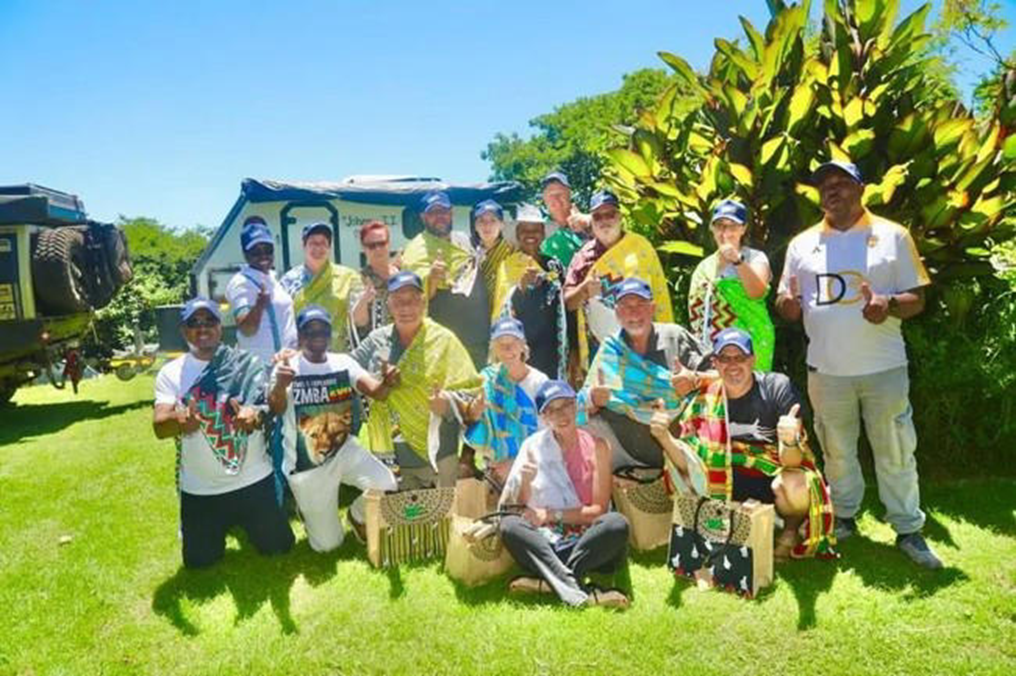
Meanwhile, Zimbabwean Tourism Minister Barbara Rwodzi is in South Africa, having personally driven more than 300 kilometres to meet with tourists who had a negative experience while traveling in Zimbabwe with the Zimbabwe Republic Police (the country’s national law-enforcement agency). The meeting transformed a critic—who, as a travel blogger, had expressed frustration with Zimbabwe’s law-enforcement practices—into one of Zimbabwean tourism’s most staunch supporters.
Speaking exclusively to IOL from Zimbabwe, George Van Deventer, who lives in Keurboomstrand along South Africa’s picturesque Garden Route in the Western Cape, said he initially recorded and posted a video criticising his experience after he and his travel group were stopped at a police roadblock in Chipinge, describing the encounter as deeply concerning and out of character with the Zimbabwe under the current dispensation led by President Emmerson Mnangagwa. Van Deventer posted the video on the Facebook page of Trans Africa Self Drive Adventures and Tours, which has more than 700 000 followers. The clip was widely shared by local and international social media users, quickly pushing the issue beyond Zimbabwe’s borders.
Rwodzi, as Zimbabwe’s Minister of Tourism, was right to respond to Van Deventer’s video. The issue of extortion and bribe-taking by the Zimbabwe Republic Police casts a negative light on Zimbabwe’s overall progress. The spread of video clips across social media about individuals’ personal experiences in relation to arts and tourism strongly influences public perspectives and opinions in daily life. Since the ousting of long-time dictator Robert Mugabe, Zimbabwe has sought to change its image to improve its standing in tourism, which is vital to economic growth. Rwodzi and her boss, current President Emmerson Mnangagwa, are all too aware of the influence social media can have on the tourism industry.
Maintaining good relations between neighbours is important across all economic spheres, whether for industrial and trade integration or for tourism.
Article written by:
Yacoob Cassim
Journalist at Radio Al Ansaar