
As Africa’s Travel Indaba concluded this week, the conversations around tourism growth, investment and regional development carried an important message for Pietermaritzburg: cities connected to major tourism routes can no longer rely on potential alone.
For Pietermaritzburg, that reality is becoming increasingly difficult to ignore.
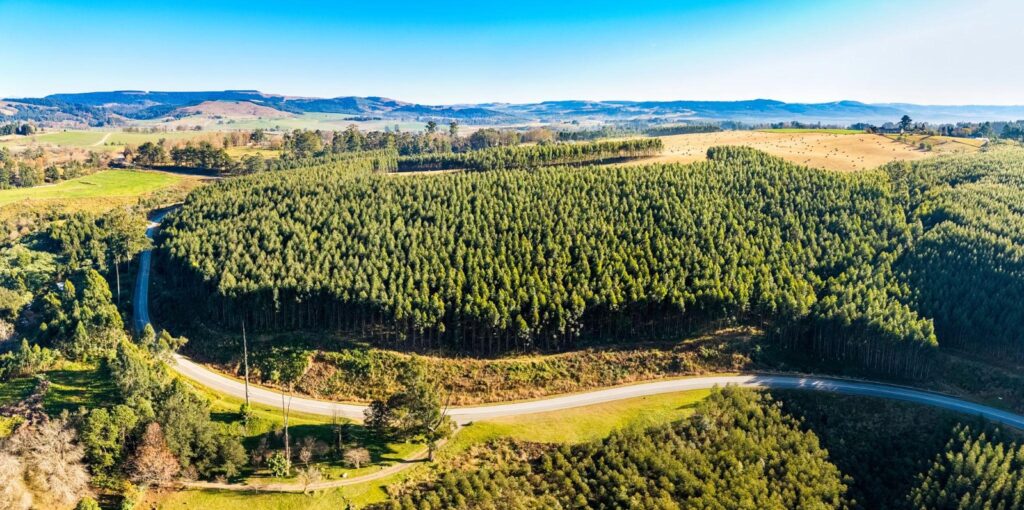
Positioned along the N3 corridor and connected to key tourism destinations including the Midlands Meander and various heritage routes, the city remains strategically placed within KwaZulu-Natal’s tourism economy. Hotels, restaurants, guesthouses, markets and tourism operators all stand to benefit from increased travel movement through the province.
According to the Presidency, tourism contributes approximately 4.9% to South Africa’s GDP and supports around 1.8 million jobs, highlighting the growing economic importance of regions competing for tourism growth and investment. Presidency statement on Africa’s Travel Indaba
Tourism discussions during Africa’s Travel Indaba also focused on heritage tourism, regional experiences and strengthening tourism opportunities across provinces – conversations that remain highly relevant for Pietermaritzburg and the greater Midlands region.
But alongside the economic opportunity surrounding tourism, growing concerns remain around whether Pietermaritzburg is doing enough to position itself competitively.
This week, Msunduzi Mayor Mzimkhulu Thebolla warned that there could be “no more talk shops” while the city continues to deteriorate. His comments added to ongoing frustration around urban decay, infrastructure concerns and service delivery issues affecting parts of Pietermaritzburg.
That contradiction is becoming harder to overlook.
While tourism conversations continue focusing on growth, heritage and investment opportunities across KwaZulu-Natal, residents within Pietermaritzburg continue raising concerns about deteriorating roads, neglected public spaces and declining infrastructure.
Tourism is no longer only about attractions.
It is also about experience, perception and confidence.
Road conditions, public infrastructure and the overall appearance of a city quietly shape how visitors, investors and businesses perceive a destination. People are more likely to invest their time and money in places that appear functional, welcoming and cared for.
For many residents, frustration around the city’s condition appears to be shifting from outrage to concern about whether the city is moving fast enough to protect its long-term potential.
And yet, despite the criticism, Pietermaritzburg still possesses significant advantages.
Its location, heritage connections and proximity to some of KwaZulu-Natal’s strongest tourism corridors continue placing the city in a position where meaningful tourism growth remains possible. Increased regional tourism movement has the potential to benefit local businesses, accommodation establishments and surrounding tourism operators throughout the Midlands.
That may be the clearest message emerging from this year’s Africa’s Travel Indaba.
The opportunity still exists.
But eventually, opportunity means little if confidence continues to weaken around it.
Because cities do not lose relevance overnight.
They lose it slowly – when deterioration becomes normalised, when public confidence weakens and when potential is discussed more often than progress itself.
For Pietermaritzburg, the challenge now is not whether opportunity exists.
It is whether the city can move quickly enough to meet it.
Article written by:
Hudaa Ahmed
Journalist at Radio Al Ansaar