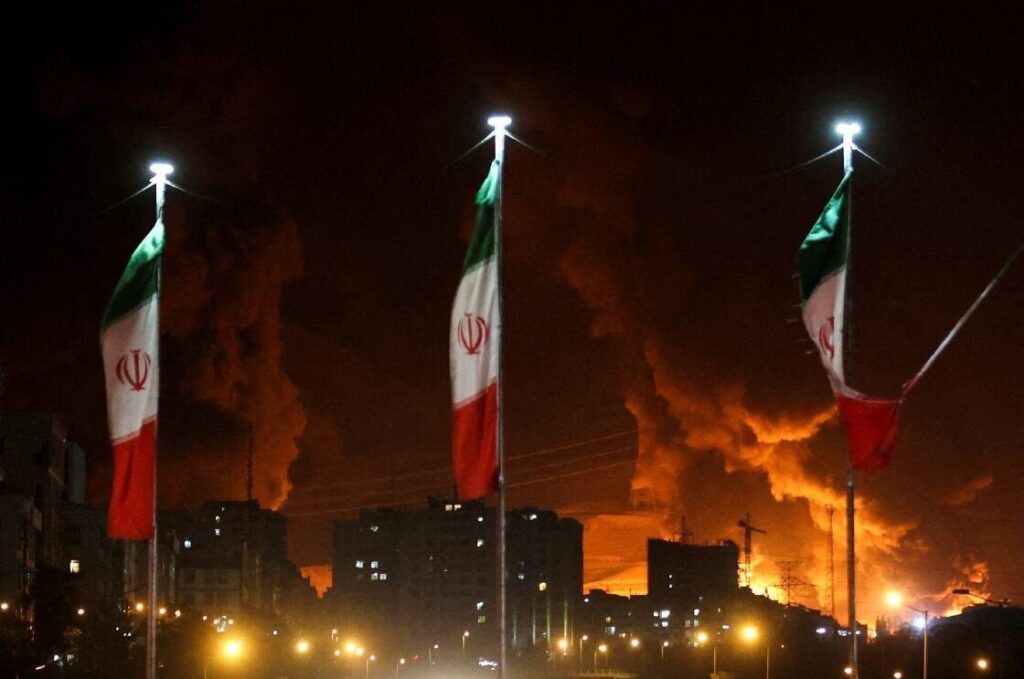

The world may be growing used to headlines about Iran, but behind the diplomatic warnings and political rhetoric lies a far more dangerous reality: global powers are once again edging toward a confrontation that many fear could destabilise energy markets, deepen global uncertainty, and trigger consequences far beyond the Middle East.
At the heart of the concern is Iran’s expanding stockpile of enriched uranium. Uranium is widely used for civilian nuclear energy, but when enriched to higher levels, it also raises fears about the possible development of nuclear weapons. Iran continues to insist that its programme is peaceful and intended only for energy and scientific purposes. However, Western countries remain unconvinced, warning that the continued expansion of Iran’s nuclear capabilities could eventually alter the balance of power in the region.
According to reports, the United States is demanding that Iran suspend uranium enrichment for up to twenty years and transfer its existing stockpile out of the country. Iran has rejected those demands, arguing that surrendering control over its nuclear programme would leave the country vulnerable and compromise its sovereignty. Iranian officials have reportedly made it clear that external pressure and threats will not force Tehran to abandon what it considers a matter of national security.
Russia has now emerged as a key voice in the growing diplomatic struggle. Reports indicate that Moscow proposed transferring Iran’s enriched uranium stockpile to Russian territory as part of a possible agreement aimed at easing tensions and preventing further escalation. The proposal was reportedly rejected by the United States, exposing the deep divisions that continue to define global diplomacy surrounding Iran.
For many analysts, the concern is no longer limited to Iran’s nuclear ambitions alone. The greater fear is the possibility of miscalculation in a region already burdened by conflict, political instability, and military tension. A single confrontation, diplomatic collapse, or retaliatory strike could rapidly trigger consequences far beyond the Middle East itself.
The stakes are particularly high because of Iran’s strategic position near the Strait of Hormuz – one of the world’s most critical oil shipping routes. A significant portion of the global oil supply passes through the narrow waterway each day, meaning any disruption could immediately affect international fuel prices, energy markets, and economic stability.
In today’s interconnected world, geopolitical conflict rarely remains confined to one region. For ordinary people, international tension often appears first through rising fuel prices, inflation, economic uncertainty, and growing pressure on already struggling economies. What happens in one part of the world can quickly ripple across continents, affecting households, businesses, and governments alike.
At the same time, experts continue to caution against panic and oversimplification. There is currently no confirmed evidence that Iran is actively building a nuclear weapon. However, global concern persists because prolonged diplomatic deadlock increases the risk of escalation, misunderstanding, and dangerous political brinkmanship. In an international climate already shaped by war, economic strain, and declining trust between major powers, even a single misstep could carry enormous consequences.
Beyond the immediate political dispute lies a deeper global question: whether diplomacy still has the power to prevent major international crises in an increasingly divided world. Years of conflict, sanctions, and shifting alliances have weakened trust between nations, while geopolitical rivalry continues to intensify suspicion on all sides.
Perhaps the greatest fear is not simply the possibility of war, but the growing sense that the world itself is becoming more unstable, more unpredictable, and more vulnerable to crisis. At a time when many countries are already facing economic hardship, political division, and social uncertainty, the prospect of another major international confrontation carries consequences that few can afford.
For now, world leaders continue calling for restraint, dialogue, and renewed negotiations. But as tensions surrounding Iran’s nuclear programme continue to rise, the world is once again watching closely – aware that what happens next may shape not only the future of the Middle East, but the stability of the global order itself.
Article written by:
Hudaa Ahmed
Journalist at Radio Al Ansaar