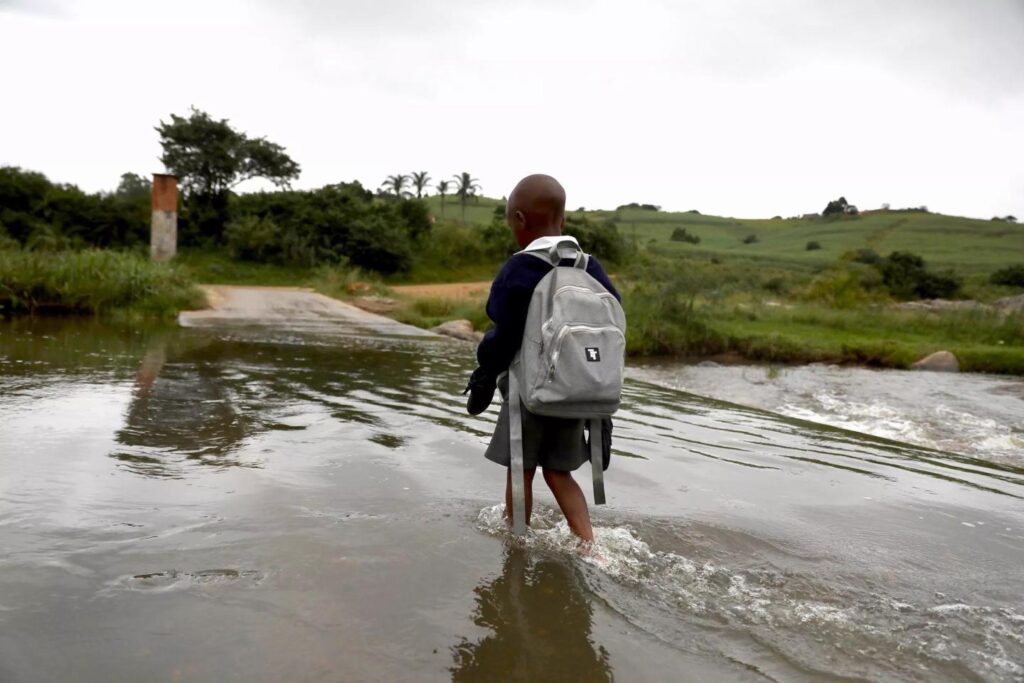

Floods, rising temperatures, and changing weather patterns are no longer only environmental concerns. Health experts now warn they may also reshape the spread of diseases such as malaria across parts of Africa.
As Southern Africa continues recovering from severe flooding and extreme weather conditions, researchers are increasingly warning that climate change could reshape public health in the years ahead.
According to the World Health Organization, malaria remains one of the world’s deadliest diseases, with Africa carrying the highest burden globally. The organisation says the African region accounts for around 95 percent of malaria cases and deaths worldwide.
Malaria is spread through infected mosquito bites, and experts say warmer temperatures, increased rainfall, humidity, and flooding can create conditions where mosquitoes survive and spread more easily.
For many vulnerable communities, the concern is not only about climate change itself – but what may come with it.
In Southern Africa, health organisations warn that extreme weather events may complicate efforts to control malaria in vulnerable regions. The National Institute for Communicable Diseases says heavy rainfall and flooding can increase mosquito breeding sites while also placing pressure on already strained healthcare systems.
The NICD notes that countries within the Southern African Development Community already experience seasonal malaria outbreaks, particularly in warmer and wetter areas. In South Africa, provinces such as Limpopo, Mpumalanga, and northern KwaZulu-Natal remain among the higher-risk regions during malaria season.
The broader concern, however, is that climate change is increasingly becoming a health issue as much as an environmental one.
The World Health Organization Africa Region warns that climate-related events such as floods, droughts, and rising temperatures can affect water access, food systems, and the spread of infectious diseases across the continent.
Researchers are now studying what future warming trends may mean for malaria transmission across Africa. A recent study published in Nature estimates that climate change could contribute to millions of additional malaria cases across the continent by 2050 if global temperatures continue rising.
Children are expected to face some of the greatest risks. According to UNICEF South Africa, climate change is already affecting vulnerable communities through increased heat, flooding, food insecurity, and growing health-related challenges. UNICEF warns that children are particularly vulnerable due to weaker immune systems and limited access to healthcare in some communities.
However, health experts stress that malaria is very different from COVID-19. Unlike airborne viruses, malaria is spread through mosquito bites and can often be prevented through awareness campaigns, mosquito control measures, early detection, and proper treatment.
Experts say the growing conversation around malaria is not about panic, but preparedness.
As climate conditions continue changing across the world, researchers warn that the challenge facing many countries may no longer only be environmental – but increasingly medical as well.
Article written by:
Hudaa Ahmed
Journalist at Radio Al Ansaar