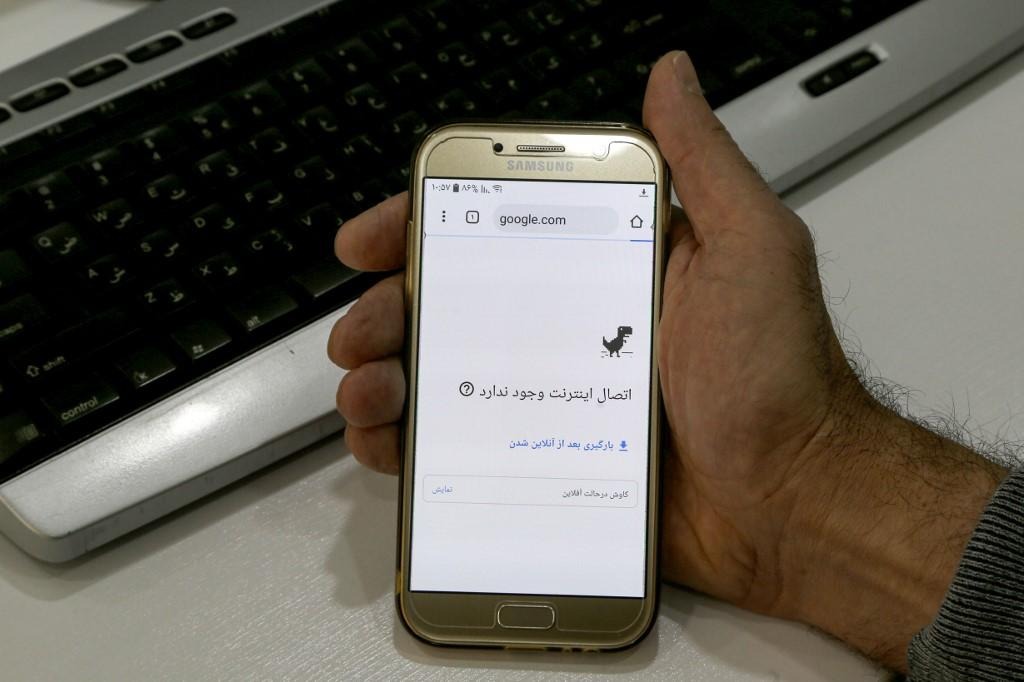

Iran’s internet blackout has sparked global concern over how quickly modern life can be brought to a standstill
Imagine waking up tomorrow morning in South Africa and suddenly being unable to send a WhatsApp message, check your banking app, order an Uber, scroll through social media, attend an online class, or even confirm whether the news you are hearing is true.
No internet.
No communication.
No connection to the outside world.
For millions of people in Iran, that became reality for nearly three months.
Iran has recently begun restoring access to the global internet following an 88-day nationwide blackout described as one of the longest modern internet shutdowns in recent history. According to reports by The Guardian and Russian outlet RT, the restrictions intensified during anti-government protests and rising regional tensions involving the United States and Israel.
Iranian authorities defended the move as necessary for national security. Critics, however, accused the government of tightening control over information and limiting communication during a period of unrest.
But beyond politics and international headlines, the blackout exposed something far more unsettling: how dependent modern societies have become on staying connected.
For ordinary Iranians, daily life reportedly changed almost overnight.
Small businesses that relied on online payments and social media struggled to survive. Families battled to contact loved ones. Students and workers found themselves cut off from education, income, and information. For many people, even simple tasks became difficult in a society suddenly disconnected from the digital world.
And perhaps most frightening of all was the uncertainty.
Without reliable access to independent news and social media platforms, many people reportedly relied on rumours, state broadcasts, and word of mouth to understand what was happening around them. Rights groups warned that internet shutdowns can create fear, confusion, and panic during already tense situations.
The situation has also triggered wider global debate about how much power governments now hold over digital infrastructure.
In today’s world, the internet is no longer just entertainment. It has become part of everyday survival.
Banking systems, businesses, schools, hospitals, emergency communication, transport services, and even food delivery now depend heavily on stable internet access. When that connection disappears, societies can slow down within hours.
For many South Africans, the idea may sound extreme – but the country has already experienced moments showing how fragile modern systems can be.
During periods of load shedding, major network outages, and the July 2021 unrest in KwaZulu-Natal and Gauteng, many people experienced empty shelves, disrupted communication, damaged businesses, and widespread uncertainty. Iran’s blackout has now raised fears about what could happen if an entire population were digitally isolated for an extended period.
Experts quoted by The Guardian warned that Iran’s internet restrictions appeared increasingly sophisticated, allowing authorities to maintain selected internal systems while limiting broader global access.
That possibility has alarmed digital rights groups around the world, who fear internet shutdowns could become a growing tool during political crises and conflicts.
The blackout in Iran revealed a chilling reality about the modern world: societies do not only become vulnerable when roads close or bombs fall. They also become vulnerable when communication disappears.
As internet access slowly returns across parts of Iran, one question continues to linger far beyond the country’s borders:
In a world where nearly every part of life depends on being connected, what happens when an entire nation is suddenly switched off?
Article written by:
Hudaa Ahmed
Journalist at Radio Al Ansaar