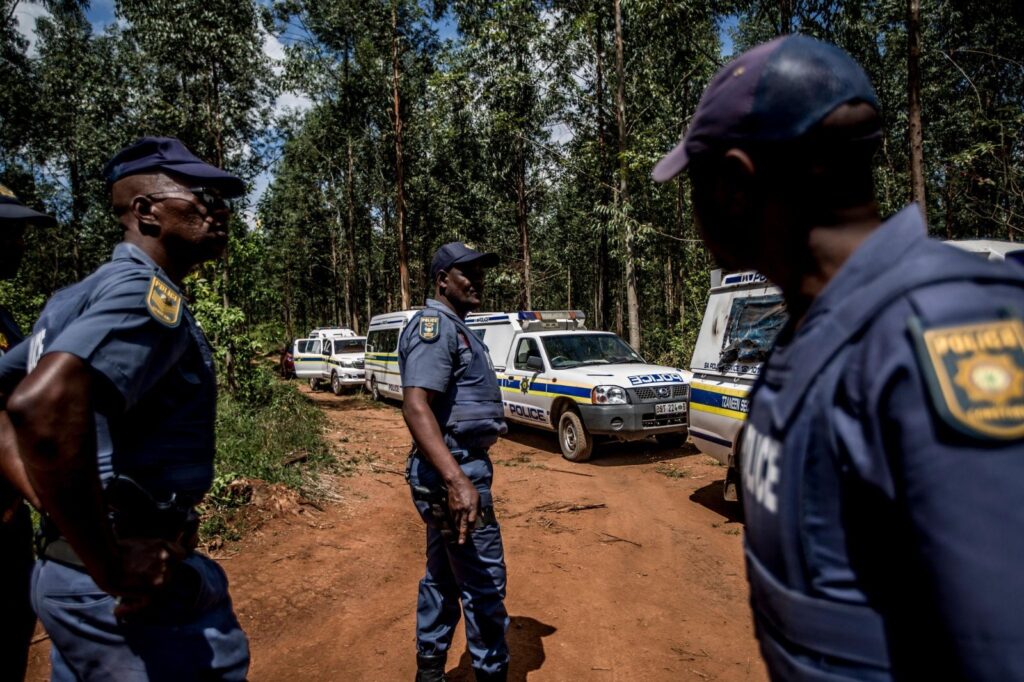

Hidden among South Africa’s vast farmlands, a new threat is quietly taking root. Authorities are uncovering sophisticated methamphetamine laboratories linked to Mexican drug cartels, raising concerns that the country is becoming an attractive base for some of the world’s most powerful criminal organisations. Once associated primarily with the streets of Mexico and the United States, these cartels are now being linked to operations thousands of kilometres away on South African soil.
The issue has come under renewed scrutiny following the discovery of a major clandestine drug laboratory in the North West Province. South African authorities arrested 11 suspects, including four Mexican nationals, during an operation that uncovered large quantities of chemicals and equipment believed to have been used in the manufacture of methamphetamine. The bust is one of several recent cases that have highlighted the growing presence of international criminal networks within South Africa.
Investigators believe these discoveries are not isolated incidents. Over the past two years, law enforcement agencies have uncovered a number of large-scale methamphetamine laboratories operating on remote farms across the country. These operations suggest a shift in criminal activity, with South Africa increasingly being used not only as a transit point for illicit drugs but also as a location for production.
One of the most significant breakthroughs came in July 2024 when police uncovered a massive drug laboratory on a farm in Limpopo. Authorities seized drugs, chemicals and equipment worth an estimated R2 billion, making it one of the largest drug laboratory busts in South African history. Several suspects, including Mexican nationals, were arrested. The scale of the operation shocked investigators and raised serious questions about how international syndicates had established such sophisticated facilities within the country.
For many South Africans, the idea of Mexican cartels operating on local farms may sound like something from a crime thriller. However, security experts warn that the threat is very real. Some of the world’s most powerful drug trafficking organisations are increasingly expanding their reach beyond traditional territories, seeking new opportunities in regions where they can establish production facilities and access international markets.
The question many are asking is why South Africa has become a target.
Analysts point to several factors. South Africa’s extensive rural areas provide secluded locations where illegal activities can remain hidden from public view. Large farms offer space for complex manufacturing operations, while the country’s transport infrastructure, ports and trade links provide access to domestic, regional and international markets. Criminal networks are also able to exploit existing smuggling routes and organised crime structures that have developed over many years.
The growing presence of cartel-linked operations in Africa reflects a broader trend. As authorities in North America continue to increase pressure on drug trafficking organisations, criminal groups are seeking new ways to diversify their operations and reduce risk. Africa’s strategic position and expanding transport links have made the continent increasingly attractive to international syndicates.
The consequences extend far beyond the laboratories themselves. Methamphetamine is one of the most destructive illicit drugs in circulation, contributing to addiction, family breakdown, crime and long-term social harm. The establishment of local production facilities increases the risk of greater drug availability while generating enormous profits for criminal organisations. Experts also warn that the presence of international syndicates can fuel money laundering, corruption and violence, creating challenges for law enforcement and communities alike.
South African authorities have intensified efforts to combat the threat through cooperation between specialised police units, intelligence services and international law enforcement agencies. Recent arrests and seizures demonstrate a growing determination to dismantle these networks and identify those responsible for financing and operating the laboratories.
Yet the discoveries serve as a stark warning. What was once viewed as a distant problem associated with foreign criminal organisations is increasingly unfolding within South Africa’s own borders. The emergence of cartel-linked methamphetamine laboratories on South African farms highlights how organised crime is evolving in an interconnected world, crossing continents and exploiting new opportunities wherever they arise.
As authorities continue their investigations, the challenge will be ensuring that South Africa does not become a permanent foothold for some of the world’s most dangerous criminal organisations. The outcome of that battle could have far-reaching implications not only for national security, but for communities across the country.
Article written by:
Hudaa Ahmed
Journalist at Radio Al Ansaar