
Amazon is to launch its Low-Earth Orbit (LEO) in South Africa through tech company Herotel which had secured a distribution deal to resell the service in the country, beginning next year; 2027 to 2028. According to Herotel Company CEO Van Zyl Botha the satellite broadband service Amazon LEO, formerly called Project Kuiper, will offer better speeds than Starlink within two years. This is what Botha has stated.
Botha was asked in an interview with RSG Geldsake on Wednesday last week, about the fact that that Amazon LEO’s low-earth orbit satellite constellation was much smaller than that of Starlink, which is owned by South African born Elon Musk. Amazon managed by American globalist Jeff Bezos currently has fewer than 400 production satellites in orbit, around 10,800 satellites owned by Starlink.
While the lower operating altitude of LEO systems enables higher speeds, greater bandwidth, and lower latency, full coverage requires thousands of satellites in operation. Botha argues that Amazon’s ability to deliver a wide range of services to numerous customers around the world suggested it could achieve this.

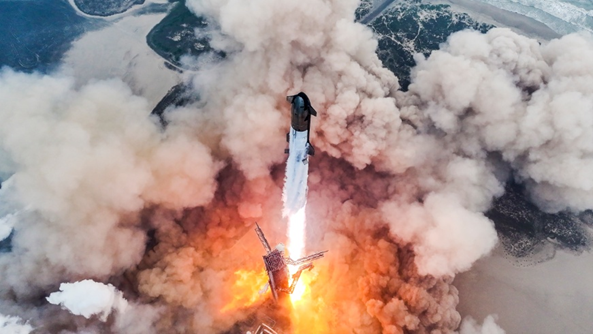
“They must, of course, launch many rockets. I think every one of them takes between 36 and 40 satellites,” he said. “As I understand, there are already 100 launches that they have booked, and that will take them to between 3,600 and 4,000 satellites.” Botha said that would enable Amazon Leo to provide global coverage with the same speed, “if not better,” as its competitors. “So, within a year, Amazon will catch up with its competition and then in the next two to three years, they will reach the same type of numbers.”

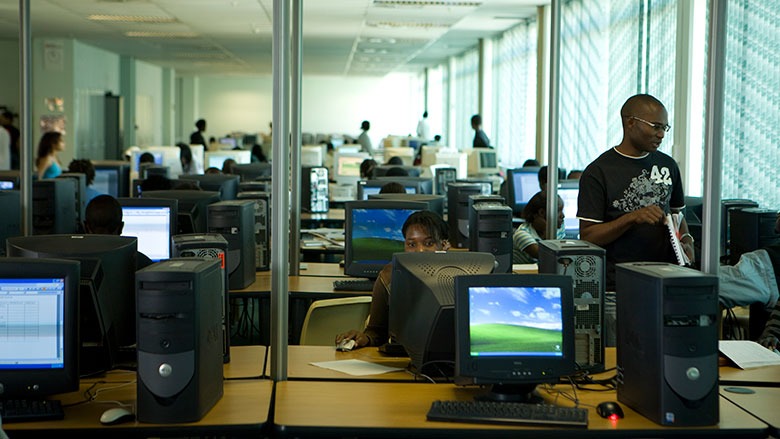
Amazon LEO is an ambitious undertaking. It remains to be seen if the project can deliver, especially in regard to the country’s rural municipalities and regions. Linking thousands of off-grid communities in the country to the network will give them access to news, education and entertainment that matters to them through connection to the internet. Amazon like Musk’s Tesla is conducting this expansion in internet network to generate profit. It should be acknowledged that Wi-Fi signal will also expand through this project. This will accelerate the communication of users through social media platforms. It will not matter if you live in an isolated community in the veld or in a bustling metro you can engage in a chatroom with anyone through Internet broadband service. Broadband is wired through the Internet of Things (IoT); mobile devices i.e., laptops and cell phones.
A serious issue to consider is the cost of the project when it comes to supply and demand. How much is going to go in resources into these satellites and rockets? Amazon will work Herotel, and will be granted access to Herotel’s local infrastructure (120 plus offices and the tech company’s existing consumer base of 350 million and growing).
In 2027, South Africans will be able to purchase Amazon Leo services from local broadband provider Herotel, its first official distributor in South Africa. Locals will be able to install a skyward-facing dish to connect to the Internet through Leo once they purchase the service from Herotel, which will be branded as “Evry.” “Evry represents the next chapter in what Herotel has been building for more than a decade,” said Herotel CEO Van Zyl Botha as the company confirmed its Leo appointment.
The Amazon LEO Service is certain to grow as it accelerates communication. More consumers will demand access to what the web has to offer and its services and programmes for work. This will lead to the acceleration of supply on the end by business. Competitiveness by Tesla and Starlink as well as other internet companies will also grow. Herotel as a broadband company is optimistic about spreading its output. Internet and Social Media Users will have access to the web for basic services and commercial activities as well as emergency needs. The question is: How far will this acceleration of technology, communication and interconnectivity go? On the one hand the tech giants reap the profits for their coffers and on the other consumers across southern Africa move a step closer to integration.
Article written by:
Yacoob Cassim
Journalist at Radio Al Ansaar