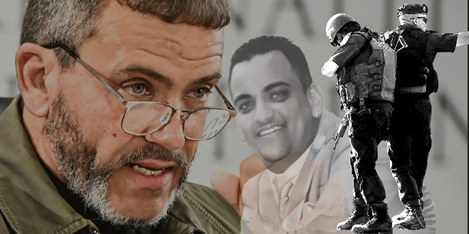
Gregory Loftus, father of the late tow truck operator Bevan Loftus who was killed in a Durban shooting in 2023, has testified to the Madlanga Commission that the day before his son’s death, he tried to interdict police officers from murdering him. Other evidence heard by the commission has, however, suggested that Bevan Loftus was a “notorious” figure.
An Affidavit the Day Before the Shooting
On the day before Bevan was gunned down, his father deposed an affidavit in an attempt to prevent a police captain and other officers from murdering him. Testifying before the Madlanga Commission on Thursday, 13 August, Loftus Snr read matter-of-factly from a prepared statement:
“I am the father of the late Bevan Loftus, who I strongly believe was murdered in cold blood on 1 April 2023. Bevan was murdered by the police under the guise of a legitimate police operation and at the instance of Clive Naicker, a competitor of Bevan in the tow truck industry and an alleged drug dealer.”
Loftus Snr, himself a former police officer, was the commission’s first civilian witness to testify about a killed relative. On the same day, a second retired officer also questioned the official police account of the shooting, though he disputed Loftus Snr’s claim that Bevan Loftus was innocent of criminality. The hearing further exposed a strained relationship between father and son, noting that Bevan had once lodged a criminal complaint against his father.
Ipid Testimony Echoes Murder Claims
Similar claims that police officers murdered Bevan Loftus were heard the day before, when Len John, Ipid’s deputy director for investigations in KwaZulu-Natal, testified before the commission.
On Wednesday the previous week, John identified Naicker and Bevan Loftus as alleged leaders of rival drug and tow-trucking gangs. He testified that Lieutenant Colonel Deena Govender, acting “at the insistence” of Naicker, deployed members of his cash-in-transit task team to murder Loftus. John added that some corrupt officers had formed alliances with tow truck operators engaged in drug trafficking.
Unanswered Questions
The case raises several pressing questions:
- How does Gregory Loftus know his son was murdered over drug allegations?
- What involvement, if any, do drug gangs such as the “Cartel” allegedly led by Naicker have in the tow truck industry?
- If police are infiltrated by organised crime, who investigates the investigators?
- What evidence did police have of Bevan’s involvement in criminal activity?
It should be made clear that, depending on who conducts it, this investigation could uncover deeper truths about criminal activity within the police service. When it comes to transparency and accountability in policing, an independent oversight body remains central to providing that scrutiny. The commission will continue its work, and the full picture is likely to emerge piece by piece.
National Headlines in 2023
Bevan Loftus’s death made national headlines after he and four others were killed in a single shooting. At the time, police said a shootout erupted during a drug raid when suspects opened fire and officers retaliated. Writing in Daily Maverick, Greg Ardé described how Gregory Loftus called the killings an “execution,” a characterisation police have denied.
Gang warfare and police raids are often chaotic, and violence tends to follow its own brutal logic in such situations. The Madlanga Commission is still investigating the raid and will weigh the evidence and testimony of witnesses, including Loftus Snr and John, piece by piece. Bevan was among the dead found at the scene, and his alleged connection to the drug trade and gang activity remains under investigation.
The Broader Cartel Allegations
The Madlanga Commission is investigating claims that a criminal cartel has infiltrated the state. These allegations were first made in 2025 by KwaZulu-Natal police commissioner Nhlanhla Mkhwanazi, after which two opposing factions emerged within law enforcement: those who supported him and those who did not.
Mkhwanazi’s allegations include a claim that, at the end of 2024, then police minister Senzo Mchunu ordered the disbandment of the Political Killings Task Team in KwaZulu-Natal after being influenced by individuals seeking to derail certain investigations. Mchunu has denied this. Separate accusations have previously surfaced that the task team itself had been heavy-handed.
The commission’s focus has since widened to other KwaZulu-Natal policing units, including one dedicated to cash-in-transit crimes. Allegations have emerged that the head of this unit, Lieutenant Colonel Deena Govender, was among the officers involved in extrajudicial killings.
What Happens Next
The commission’s proceedings will be closely watched. Its role is to weigh testimony from both sides as it examines the evidence presented. The matter of extrajudicial police killings across KwaZulu-Natal remains largely unresolved, and it will ultimately be for the commission to determine whether the case should proceed to court, and whether Bevan Loftus had genuine ties to organised crime and drug trafficking.
The case demands delicate and careful handling. The police officers involved in the raid that led to Loftus Jr’s death will need to be cross-examined before the true circumstances of his death can come to light.
How this inquiry unfolds will shape both the commission’s findings and the broader relationship between the police, corruption, and organised crime in the eThekwini region.