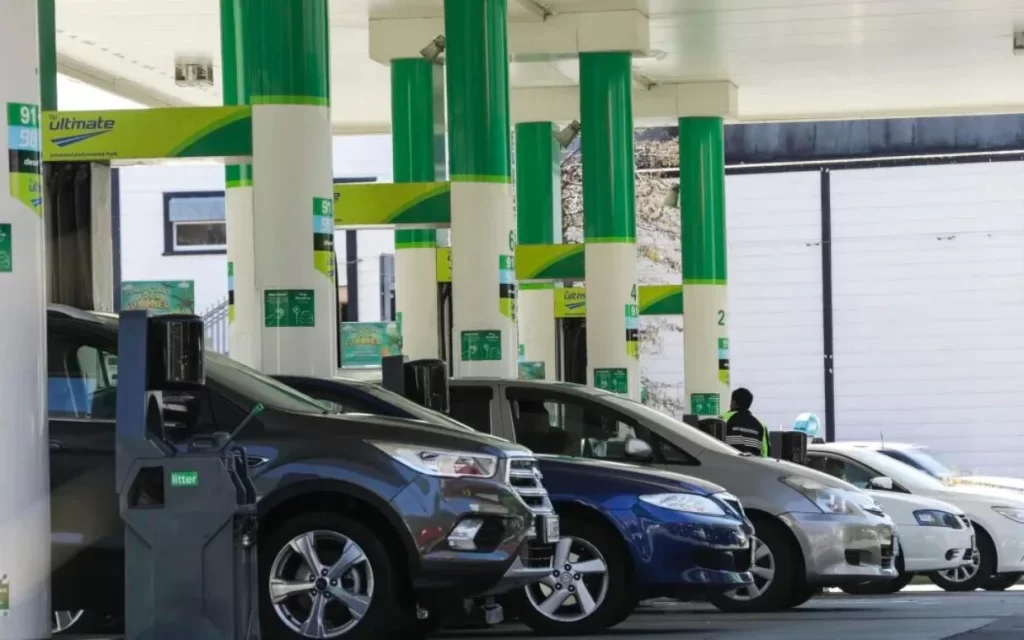
If your fuel gauge is sitting close to empty, tonight may be the night to fill up. South African motorists are facing another steep fuel price increase from midnight, with the knock‑on effects potentially reaching far beyond the petrol station.
Fuel Price Increases Effective 2 September 2026
From Wednesday, 2 September 2026, both grades of petrol will increase by R1.34 per litre. Diesel will rise by between R2.94 and R3.15 per litre, while illuminating paraffin and LPG will also become more expensive.
September Fuel Price Increase at a Glance
- Petrol 93 & 95: Up R1.34 per litre
- Diesel 0.05% sulphur: Up R2.94 per litre
- Diesel 0.005% sulphur: Up R3.15 per litre
- Inland 93 petrol: Approximately R26.76 per litre
- Inland 95 petrol: Approximately R26.92 per litre
- Coastal 95 petrol: Approximately R26.05 per litre
For motorists, the immediate impact is clear. A 45‑litre petrol fill‑up will cost roughly R60 more, while filling a 100‑litre diesel tank could cost up to R315 more than in August.
Why Diesel Matters Most
Diesel powers the trucks transporting food, delivery vehicles moving goods, farming machinery, and generators used by businesses. As diesel becomes more expensive, so does the cost of moving products from farms, factories, and warehouses to shops — and ultimately into consumers’ homes.
Businesses may absorb some of these additional costs, but others could be passed on through higher prices, delivery charges, and operating expenses. This means even South Africans who do not own a car may feel the impact. Taxi commuters, online shoppers, and households buying everyday essentials could all be affected as increased transport costs filter through the economy.
Why Are Fuel Prices Rising?
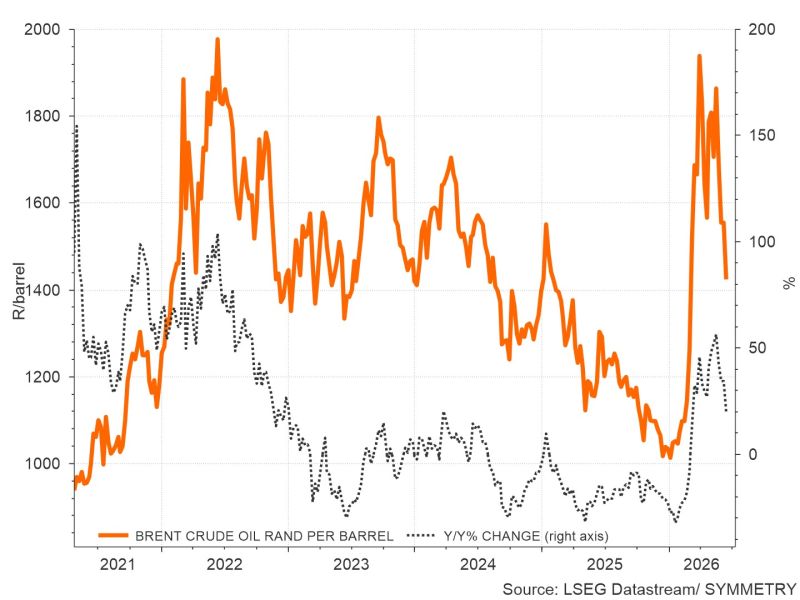
The main driver is the increase in international oil prices.
- The average Brent crude oil price rose from about $82.37 to $87.88 per barrel during the review period.
- Geopolitical tensions, uncertainty surrounding oil shipments through the Strait of Hormuz, and higher shipping costs added pressure.
- The Russia‑Ukraine conflict and lower global fuel inventories further pushed up diesel prices.
- A stronger rand provided some relief but not enough to offset rising international costs.
- The Slate Levy also increased from 61.38 cents to 83.28 cents per litre.
What Motorists Can Do
For motorists who need to refuel soon, filling up before midnight could provide a once‑off saving:
- 40 litres of petrol could save about R54
- 80 litres of diesel could save between R235 and R252
There is no need to panic‑buy fuel, but motorists who were planning to fill up in the next few days may want to do so before the new prices take effect.
The Bigger Picture

The real concern is what happens after motorists leave the filling station. When the cost of moving people and goods rises, that cost rarely stops at the pump. From transport and deliveries to groceries and everyday services, September’s fuel shock could become another pressure point for already stretched household budgets.