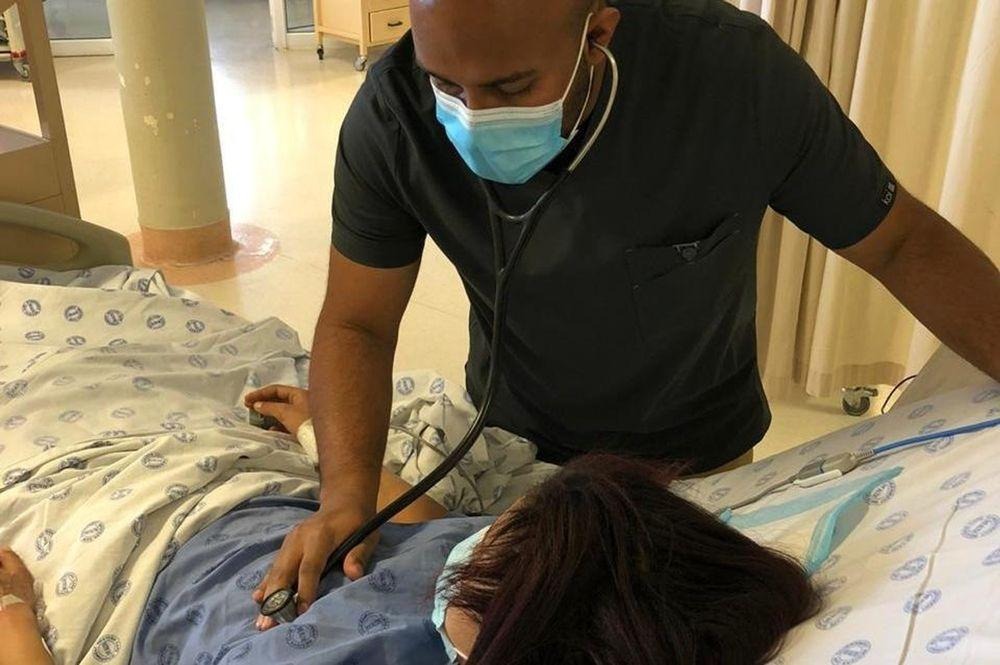
Being sick is frightening enough. But for many South Africans, illness also means navigating medical aid rules, unexpected costs, and a healthcare system they may not fully understand. Between medicine, money, and a pressured health system, one uncomfortable question arises: is the patient sometimes getting lost?
A Country Divided by Access
Statistics South Africa reports that overall medical aid coverage declined slightly from 15.9% in 2002 to 15.5% in 2024. Among South Africans aged 60 and older, coverage increased from 19.1% to 21.9% over the same period. Yet, 68.5% of older people still relied on public hospitals and clinics in 2024.
These figures expose two very different healthcare realities:
- Public healthcare patients face long queues and strained facilities.
- Private healthcare patients discover that medical aid does not guarantee full coverage.
For someone already anxious about their health, uncertainty over treatment and costs can deepen the fear.
Patients Have a Right to Ask
South Africa’s National Patients’ Rights Charter recognises patients’ rights to:
- Information about their health, treatment options, risks, and costs
- Participation in decisions about their care
- Requesting a second opinion
Healthcare comes with an unavoidable imbalance of knowledge. Most patients cannot independently determine whether a scan, test, or procedure is necessary. Trust in professionals is essential — but trust should never mean silence.
Reasonable questions include:
- Why is this necessary?
- What are my alternatives?
- What will this cost?
When Money and Medicine Meet
Attorney and mediator Rashid Patel has called for greater discussion around affordability, communication, and the financial pressures patients face. He has also raised concerns about whether some patients undergo interventions they may not fully understand.
Expensive treatment is not automatically unnecessary treatment. But the underlying question remains: does the patient understand why it is being done?
The Health Professions Council of South Africa sets ethical standards around patient care and communication. Yet regulations alone cannot create trust — compassion and clarity remain vital.
Compassion Still Matters
A patient can receive medically appropriate treatment and still leave feeling unheard. The Patients’ Rights Charter emphasises courtesy, dignity, empathy, and tolerance.
Doctors and nurses face enormous pressures, but communication is not optional. Sometimes a clear explanation of what is happening, what happens next, and who a family can approach is what separates a difficult healthcare experience from one that feels dehumanising.
Who Is Responsible for Fixing It?
Patel has suggested exploring ways for private healthcare professionals to contribute time, training, or expertise to underserved communities. Whether compulsory or voluntary, the idea raises a bigger question about social responsibility in a divided healthcare system.
Responsibility cannot sit with doctors alone. Government, hospitals, medical schemes, and patients all have roles to play. The Charter itself gives patients responsibilities: providing accurate information, respecting providers, and enquiring about treatment costs.
Better healthcare should not be a battle between doctors and patients. It should mean building a system where professionals can practise sustainably while patients feel empowered to ask questions, understand their treatment, and know what it may cost.
Because healthcare may operate as a business. But nobody lying in a hospital bed experiences it as a transaction.