The South African government could soon subsidize fuel prices to protect motorists from severe global shocks. Indeed, ongoing conflict in West Asia has pushed Brent crude oil prices above $100 a barrel. Consequently, local petrol and diesel prices face massive upcoming increases.
AA Calls for Immediate Tax Relief
The Automobile Association (AA) believes Pretoria has viable options to ease the burden on consumers. Specifically, AA CEO Bobby Ramagwede argued that ministers could temporarily relax fuel taxes without destroying the fiscus.
Currently, taxes and non-commodity levies make up R7 to R8 of every litre of fuel. Furthermore, Ramagwede stressed that cutting government waste could easily offset lost tax revenue. Therefore, he urged officials to manage public spending better rather than searching for new revenue streams.
Parliament Adopts R10 Billion Relief Bill
Meanwhile, lawmakers are taking initial steps to cushion the economic impact. Recently, the parliamentary Select Committee on Appropriations adopted the Special Appropriation Bill.
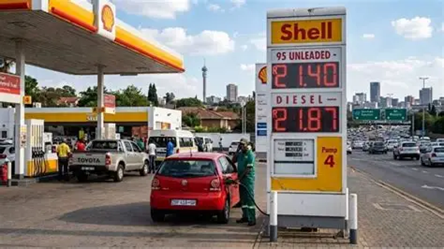
This legislation authorizes National Treasury to allocate R10 billion to the Department of Mineral and Petroleum Resources. Consequently, this buffer fund will help absorb sudden market volatility. However, Treasury warned that permanently abolishing the general fuel levy would cost R6 billion every month.
Long-Term Solutions for Energy Security
Beyond short-term levy cuts, energy experts emphasize long-term strategic planning. Currently, South Africa relies heavily on expensive imported refined fuel due to limited local refining capacity.
To build true resilience, Pretoria must revive local refineries and expand strategic oil stocks. Additionally, accelerating renewable solar and wind energy projects will reduce reliance on volatile global oil markets. Ultimately, motorists are watching closely to see how President Cyril Ramaphosa balances tax relief against growing fiscal pressures.