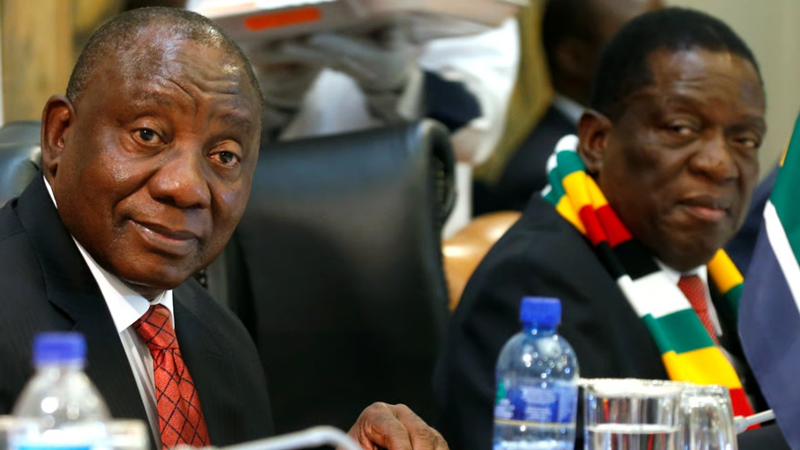
Diplomatic Struggles Over Unpaid Airline Debt
The ongoing financial dispute has revealed that Zimbabwe owes SAA more than R900 million, with no clear timeline for the outstanding debt to be settled. Pretoria is currently engaging in diplomatic negotiations with Harare to recover the revenue. This long-running dispute between the southern African nations raises questions about the South African government’s ability to recover money owed by foreign countries, particularly as South African Airways continues to face financial challenges.
Why Zimbabwe Owes SAA Millions in Unpaid Revenue
According to the Parliament of South Africa, Zimbabwe owes approximately R1 billion to the national carrier in ticket sale revenue from flights operating to and from the country. The Standing Committee on Appropriations raised concerns about the debt following a briefing by the Department of International Relations and Cooperation (DIRCO) in October 2026.
As reported by EWN, the debt relates to ticket sales on the Harare and Victoria Falls routes. The money accumulated as Zimbabwe experienced foreign currency shortages, restricting the airline’s ability to transfer its earnings out of the country. In October 2024, the airline told Parliament that it was struggling to repatriate more than $50 million held in Zimbabwe. At the time, Zimbabwe proposed quarterly payments of $1 million towards the outstanding balance, while certain funds would be retained in the country to cover local operating expenses. SAA rejected this proposed repayment arrangement, which would have taken more than 16 years to clear a debt of approximately $50 million through quarterly instalments alone.
However, a parliamentary report published in June 2026 indicated that Zimbabwe has subsequently made arrangements to pay $1 million per month, with the last payment advice received in March 2026.
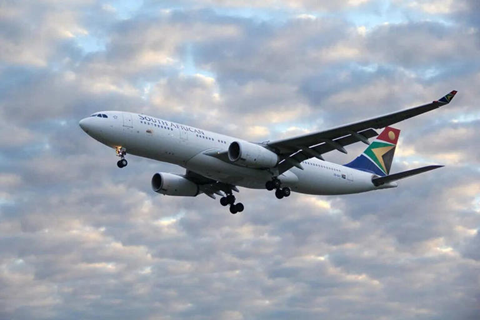
Zimbabwe owes SAA more than R900 million: Why South Africa cannot get its money back. Image: Sourced
Diplomatic Efforts and the Push Against Sanctions
DIRCO has been facilitating negotiations between South African and Zimbabwean officials through the Bi-National Commission of the two countries. Chief Director Nyameka Goso told MPs that Foreign Affairs Minister Ronald Lamola had written letters and convened ministerial meetings to secure repayment agreements. However, she acknowledged that implementing agreements can be difficult, particularly when political changes in other countries affect commitments already made.
DIRCO’s role is largely to facilitate diplomatic engagement, while decisions on further action rest with the relevant political authorities. Committee chairperson Mmusi Maimane questioned whether years of diplomatic engagement would deliver the money, calling for stronger mechanisms to deal with countries that fail to honour repayment commitments.
It should be noted that economic sanctions remain in place due to the ongoing economic mismanagement from Harare. Ironically, Zimbabwe still enjoys the strong support of the Southern African Development Community (SADC). October 25, 2026, was marked as Anti-Sanctions Day, an initiative first launched in 2019 following the 39th Summit in Dar es Salaam, Tanzania. This initiative intends to mobilize regional solidarity and highlight the implications of sanctions for the economic development and regional integration of Zimbabwe.
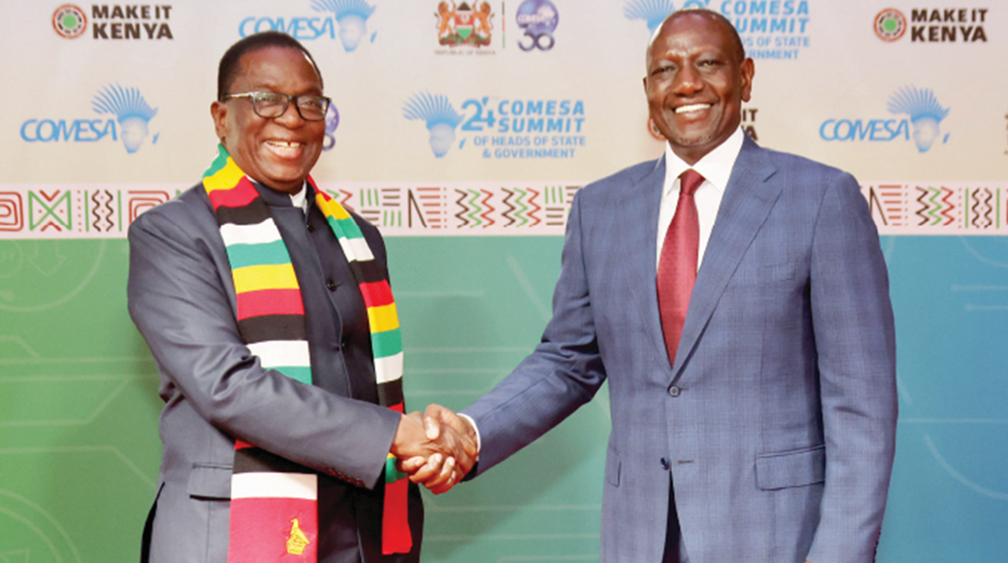
Comesa Chair, President William Ruto at the 24th Comesa Heads of State and Government Summit to be held in Nairobi, Kenya yesterday. Picture: Sourced.
COMESA Trade and Future Repayments
Zimbabwe has actively tried to have international economic sanctions lifted. The annual commemoration has become an important platform for Zimbabwe and its regional partners to press for the removal of these measures. Yet the campaign requires an economic strategy that strengthens domestic production, expands export markets, and demonstrates the benefits of regional cooperation. The Common Market for Eastern and Southern Africa (COMESA), which includes 21 states like Zimbabwe, South Africa, and Kenya, offers Harare access to a substantial regional market.
President Emmerson Mnangagwa acknowledged the gap between potential and performance, observing that intra-COMESA trade and investment remained significantly low. Mnangagwa argues that member states must address obstacles preventing businesses from trading efficiently, including rules of origin, non-tariff barriers, lengthy customs procedures, and the high cost of doing business.
Removing such barriers would allow Zimbabwean producers to reach more consumers and participate more effectively in regional supply chains. While stronger trade would not automatically end sanctions, it could strengthen productive capacity and reinforce the case for greater international engagement.
Ultimately, Pretoria might recover the funds Zimbabwe owes SAA if President Cyril Ramaphosa takes a sterner stand on the Mnangagwa administration. Whether Harare’s decision to pursue regional trade successfully undermines sanctions remains to be seen, as it heavily depends on improving the standing of its own domestic currency.
Prepared by: Yacoob Cassim