By Yacoob Cassim
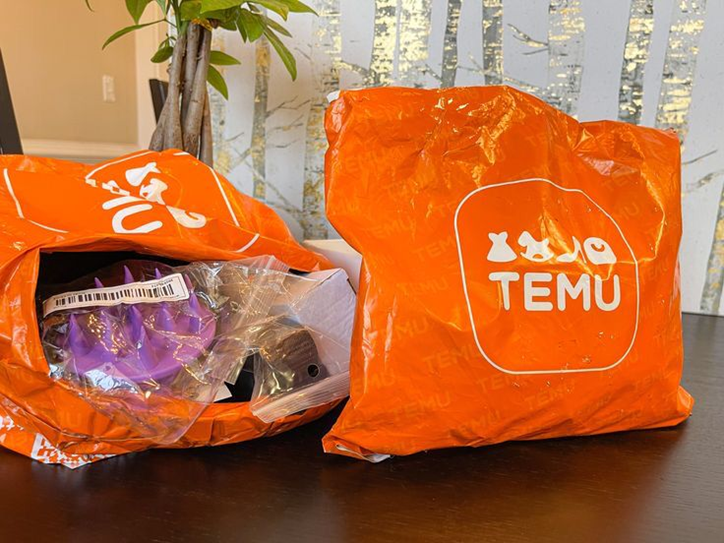
South Africa’s economic landscape is currently facing a dual narrative: a fierce policy debate over foreign e-commerce giants threatening local manufacturing, juxtaposed with major foreign direct investment expanding the country’s industrial mining sector.
COSATU Calls for Ban on Shein and Temu
The Congress of South African Trade Unions (COSATU) is urging the government to ban Chinese-founded shopping platforms Shein and Temu. Trade unions argue that the aggressive growth of these digital retailers threatens local manufacturers, retailers, and jobs across the country.
The resolution was formally adopted at COSATU’s 15th National Congress in Johannesburg following a proposal by the Southern African Clothing and Textile Workers’ Union (SACTWU).
Key Factors Behind the Debate:
- Economic Impact: According to the Localization Support Fund, Shein and Temu recorded approximately R7.3 billion in combined sales in 2024—accounting for roughly 3.6% of South Africa’s total retail clothing, textile, footwear, and leather market and 3.71% of its online sales in that sector.
- Job Loss Concerns: SACTWU warns that up to 34,000 local jobs could be at risk by 2030 if the trend continues unaddressed.
- Tax Reforms: In August 2024, the South African Revenue Service (SARS) began tightening tax loopholes on low-value imported parcels (previously subject to a flat 20% customs duty without VAT). World Wide Worx reports that these tax adjustments are already pushing foreign platforms to consider local fulfillment and supply chain integration.
Industry Alternative: Michael Lawrence, Executive Director of the National Clothing Retail Federation, described an outright ban as a “one-dimensional response.” Analysts suggest focusing on strict tax enforcement, consumer protection, and addressing root causes—such as high energy and transport costs—to keep local manufacturing competitive without creating a black market.
Vedanta Invests $600 Million to Double Zinc Production

While retail faces digital disruptions, South Africa’s mining and industrial sectors received a major boost. Indian conglomerate Vedanta Limited has invested $600 million to double the annual zinc production capacity at its Gamsberg operation in the Northern Cape.
President Cyril Ramaphosa and Vedanta Limited Director Priya Agarwal-Hebbar officially inaugurated the Gamsberg Phase II expansion project.
Project Highlights & Global Impact:
- Production Capacity: The Phase II expansion increases annual capacity to 500,000 tonnes of metal-in-concentrate, making it one of the largest mining investments in South Africa over the last decade.
- Investment Commitment: This project fulfills part of the ZAR 21 billion (~$1.5 billion) commitment made by Vedanta during the 2018 South African Investment Conference.
- Market Conditions: Global zinc prices on the London Metal Exchange (LME) surged 23% year-on-year, driven by global mine supply constraints and increasing demand for structural steel galvanizing in infrastructure projects.
- Future Ambitions: Vedanta aims to establish zinc smelting capacity in the Northern Cape to build a comprehensive industrial hub in Southern Africa.
The Balancing Act for Pretoria
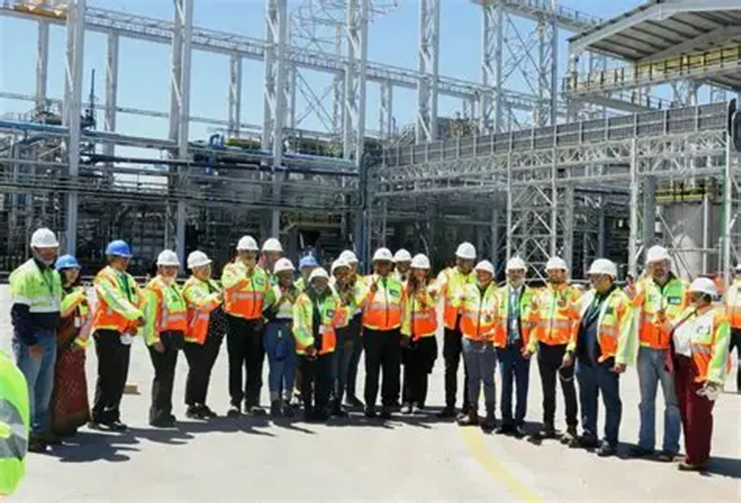
President Ramaphosa and the Cabinet face a crucial economic balancing act: protecting local manufacturing jobs and fair trade practices while supporting international investor confidence, infrastructure expansion, and consumer choice. Rather than resorting to total market bans, economic experts advocate for fair taxation and strong regulatory frameworks to govern international trade effectively.