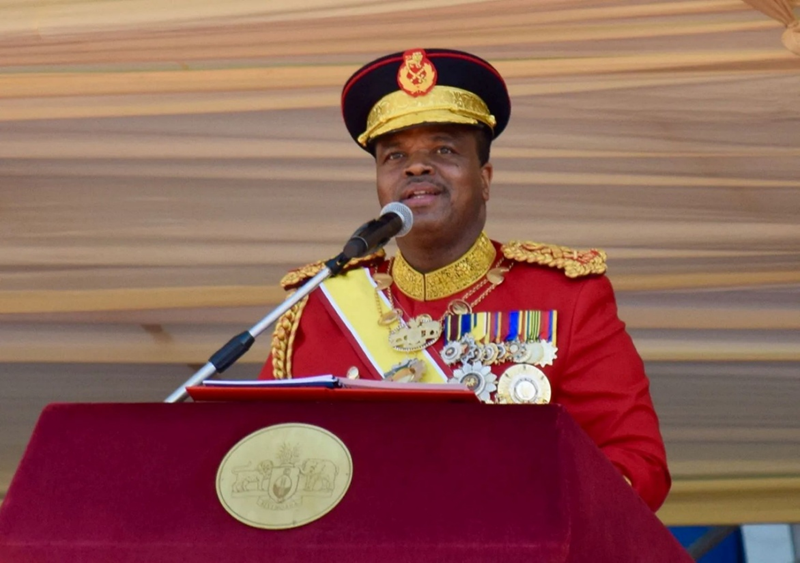
The Kingdom of eSwatini parliament has given foreign-owned businesses operating unlawfully twelve months to regularize their operations or face closure. This shift comes as King Mswati III regime moves to encourage local entrepreneurs. Lawmakers adopted this recommendation during a debate on the Ministry of Commerce, Industry and Trade second-quarter performance report. The House of Assembly held this session in the legislative capital of Lobamba on Tuesday, 10 November 2026.

According to the Times of eSwatini, these discussions followed recent inspections and the closure of several foreign-owned shops, particularly those run by Asian business owners. These inspections sparked debate among lawmakers over how the government should enforce business regulations. eSwatini is a small landlocked nation tucked between South Africa and Mozambique under an absolute monarchy led by Mswati III.
Parliamentary Debate on Local Empowerment
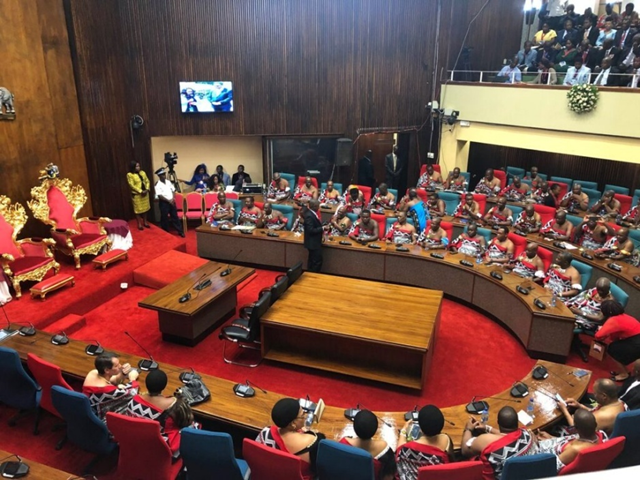
During the session, some MPs argued that businesses on Swazi Nation Land should primarily benefit emaSwati citizens. Mafutseni MP Sabelo Mtetwa proposed giving affected foreign operators six months to comply. He argued that the state should help local entrepreneurs secure financing to take over these stores.
However, Mbabane East MP Welcome Dlamini called for a three-year transition period. He warned that sudden closures could cause job losses and disrupt communities that rely on these shops for daily goods.
Some legislators questioned why foreign nationals who previously held valid licenses now face closures. In response, the Ministry of Commerce clarified that these inspections do not target all foreign-owned businesses in the country.
Parallels with Zimbabwe Regulations
This move matches similar economic shifts across southern Africa. In Zimbabwe, Statutory Instrument 215 of 2025 introduced strict rules for foreign participation in reserved sectors.
Under those rules, foreign nationals must obtain permits and meet specific investment criteria. Existing foreign businesses received 30 days to submit regularization plans and three years to transfer at least 75% of their equity to Zimbabwean citizens.
These regulations cover retail, wholesale trade, hair salons, bakeries, and transport. While Zimbabwe uses a gradual transfer model, eSwatini parliament is pushing for a strict deadline to regularize or close illegal operations.
Regional Implications for South Africa
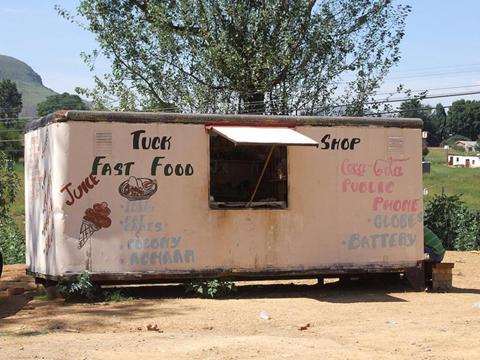
With about seventy percent of eSwatini population living below the poverty line, authorities view local empowerment as vital to stopping civil unrest. Yet, this crackdown carries heavy cross-border implications for South Africa due to deep political ties.
Public commentators across southern Africa worry that displaced traders will cross the border into South Africa informal market. That sector already faces severe strain. South African authorities recently revealed that the nation granted only 33 formal business visas, while informal networks pull an estimated R6.3 billion in illicit remittances out of the country.

Experts note that true empowerment in eSwatini requires South Africa, its dominant neighbor, to take a firmer stance on Africa last absolute monarchy. With mass migration risks looming, President Cyril Ramaphosa faces growing pressure to review his approach toward Mswati III. Observers argue that Pretoria cannot remain passive while eSwatini internal struggles threaten regional stability.
Prepared by Yacoob Cassim