Understanding the AGOA Dispute
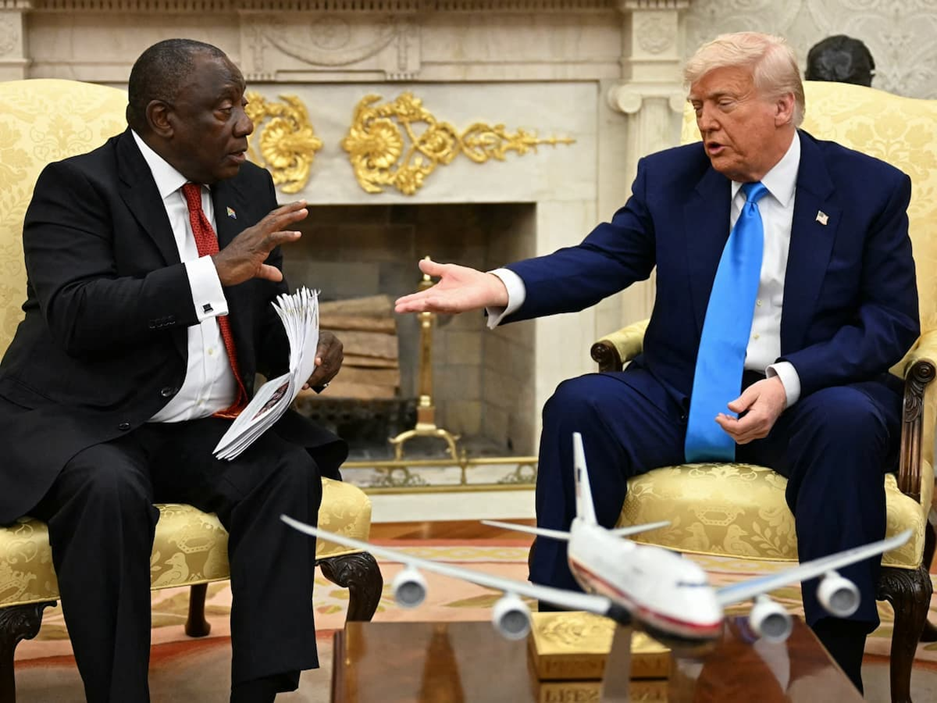
Currently, South Africa faces a major economic and diplomatic crisis with the United States (US). Specifically, this dispute centers on duty-free access to American markets for South African exports. Consequently, US President Donald Trump plans to exclude South Africa and Rwanda from the Africa Growth and Opportunity Act (AGOA). US Trade Representative Ambassador Jamieson Greer confirmed this decision. As a result, the cancellation of this tariff-free legislation takes effect on January 1, 2027. Greer stated that Trump already notified the previous US Congress.
leoninefocus.comleoninefocus.com
Furthermore, Washington cited persistent concerns over trade barriers and domestic corruption. In addition, American officials questioned Pretoria’s alignment on regional national security and foreign policy interests.
“Based on the review, President Trump found that the governments of Rwanda and South Africa are engaging in practices that are inconsistent with AGOA’s eligibility criteria,” Greer said on Monday. Therefore, Pretoria now has a sixty-day window to engage American officials before any formal suspension takes effect.
Economic Reassurance Amidst Uncertainty
On October 29, Trade, Industry and Competition Minister Parks Tau reassured local exporters. He stated that South Africa’s economy remains stable, resilient, and prepared for any outcome. Importantly, Tau highlighted that standard World Trade Organization Most-Favoured-Nation terms already cover roughly 89% of South African exports to the US. Preferential AGOA exports are valued at $1.7 billion (about R28 billion). Thus, this represents 10% of bilateral shipments and just 1% of South Africa’s total global exports.
“Transformation is a constitutional and developmental imperative,” Tau said. Moreover, he maintained that core domestic policies like land reform operate strictly within constitutional frameworks.
In the meantime, commercial ties between the two nations remain substantial. Bilateral trade reached $28.8 billion (about R475 billion) in 2025. Furthermore, over 600 American companies support 134,600 local jobs. Additionally, South Africa supplies 12 critical minerals to the US.
Calls for a Diplomatic Solution
Undoubtedly, cutting trade ties would hurt both the South African and American economies. Therefore, leaders must consider a diplomatic solution to settle these policy differences.
As a global maritime hub, South Africa can also seek new trade partners. After all, South Africa remains Africa’s largest economy and a key pillar in continental leadership. Consequently, Pretoria is already looking toward its African Continental Free Trade Agreement (AfCFTA) and Southern African Development Community (SADC) partners. At the same time, the government is exploring stronger ties with allies in Asia and Latin America.
Trade Unions Sound the Alarm
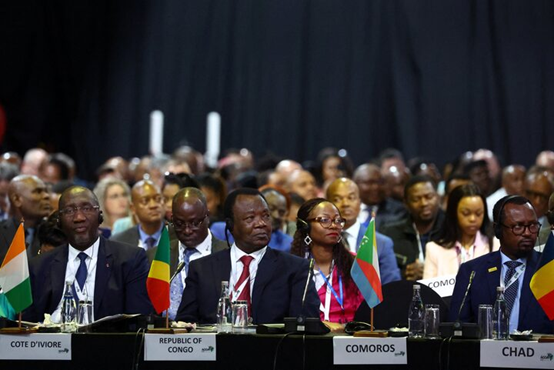
Meanwhile, the Congress of South African Trade Unions (COSATU) expressed deep concern about this decision. The federation worries about the impact on workers and businesses in the agricultural and manufacturing industries. COSATU parliamentary coordinator Mathew Parks warned that losing preferential access threatens thousands of jobs.
As a result, the union called on Pretoria to urgently negotiate with Washington. It also urged the government to introduce support measures for affected workers and companies. Specifically, COSATU proposed subsidies, incentives, tax rebates, and tax holidays. They also suggested assistance through the Unemployment Insurance Fund’s Temporary Employer-Employee Relief Scheme. Furthermore, COSATU wants South Africa to accelerate efforts to diversify its export markets across Africa, Europe, Asia, Canada, and Brazil.
On the other hand, the trade union Solidarity blamed President Cyril Ramaphosa and International Relations Minister Ronald Lamola. They accused the South African government of failing to repair deteriorating diplomatic relations with Washington. Solidarity’s head of public relations, Jaco Kleynhans, addressed the issue directly. Specifically, he argued that Pretoria’s foreign policy and public statements put South Africa’s AGOA membership at risk.
“Ramaphosa and Lamola’s antagonism towards Trump and the White House made it impossible for the Trump administration to keep South Africa in AGOA,” Kleynhans said.
Ultimately, he warned that ordinary workers and export-oriented industries will bear the consequences of this political negligence. Therefore, Solidarity called on the government to resolve the dispute with the US Congress immediately to limit the economic impact.
The Road Ahead
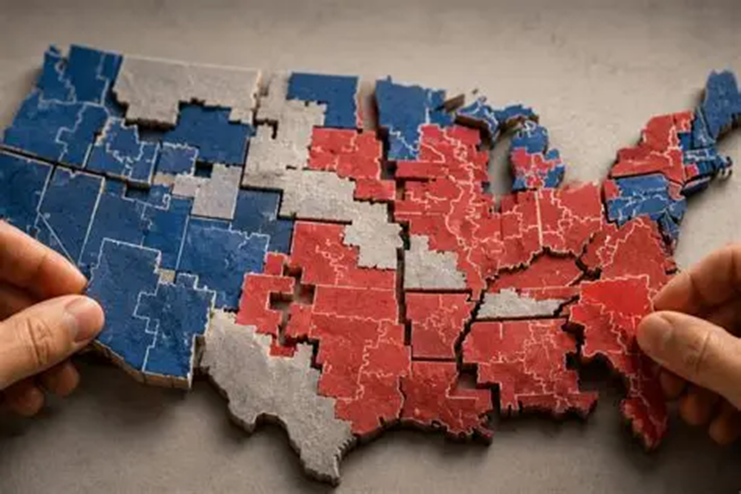
Looking forward, President Ramaphosa may need to hold emergency talks with Trump to resolve the crisis. Clearly, both sides must reach a solution to satisfy all concerned parties. In fact, they need to address this trade dispute before the new 120th Congress takes office next year and reviews AGOA for renewal.
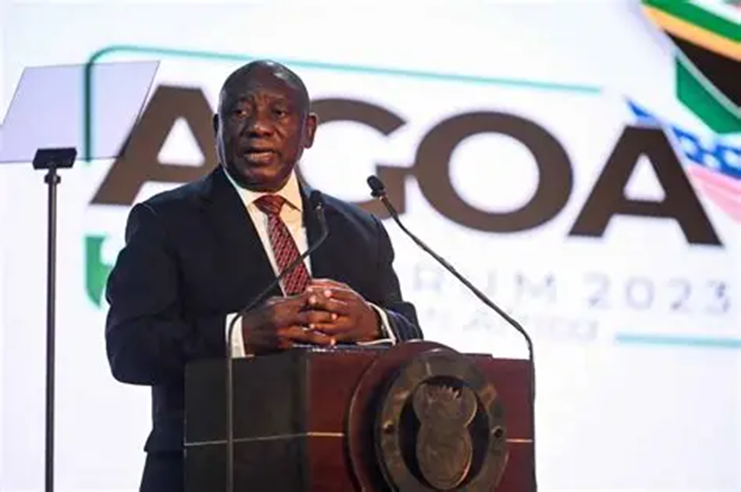
Currently, projections show the Democrats leading with more seats than the Republican party. Consequently, a Democrat-led Congress might look favorably on reaching a diplomatic solution to this misunderstanding. Thus, Ramaphosa must now extend an olive branch to Washington to build amiable long-term relations.
Prepared by Yacoob Cassim