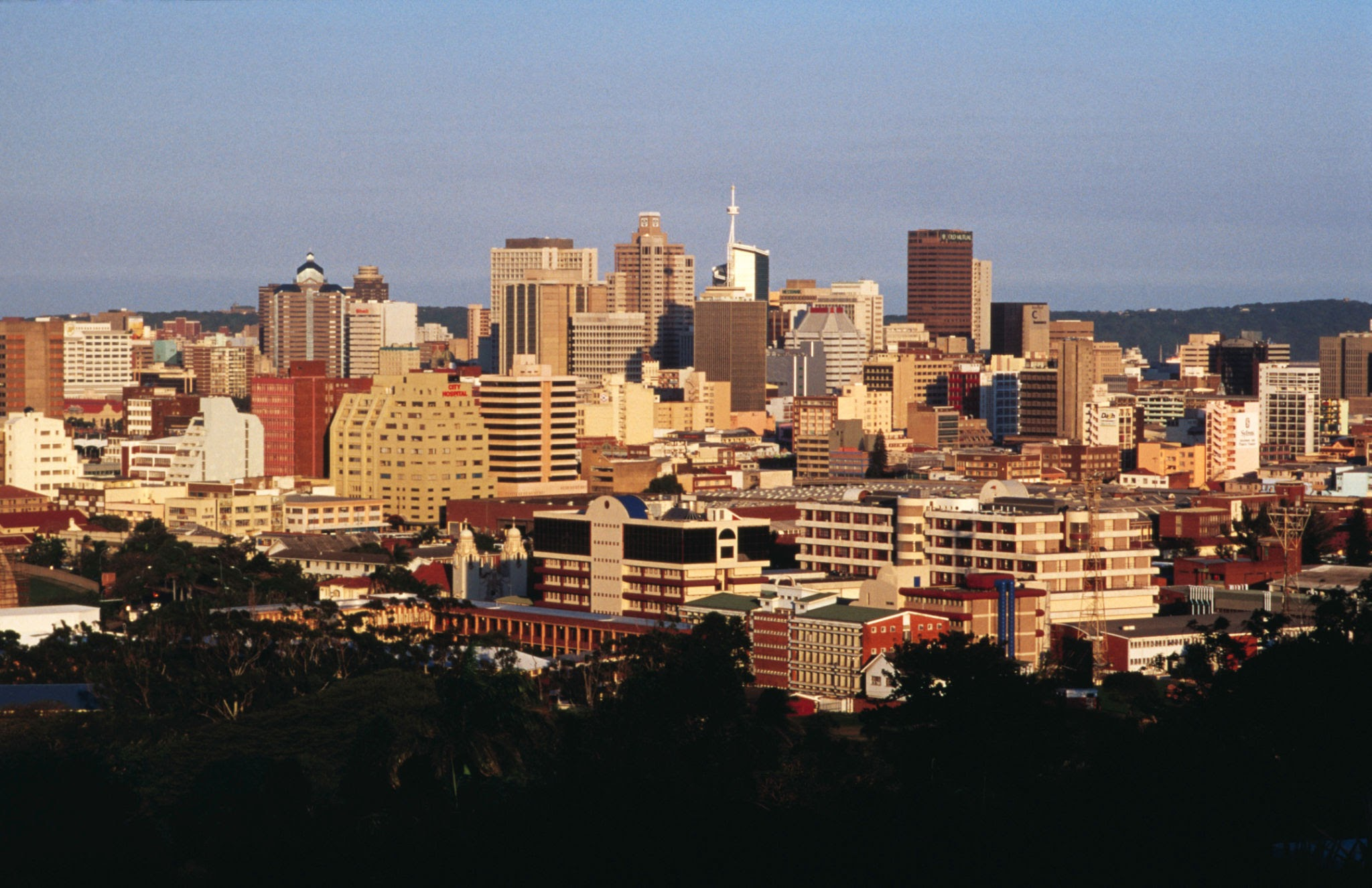
The Durban Business Confidence Index (DBCI) fell for a third consecutive quarter in 2026 Q3. Specifically, the index contracted to 47.97 points. Consequently, local business leaders and academic experts expressed deep concern over ongoing infrastructure challenges.
Key Survey Findings and Economic Indicators
The third-quarter report was compiled by the University of KwaZulu-Natal (UKZN). Specifically, the study was conducted alongside the Durban Chamber of Commerce and Industry.
- Business Confidence Index: The DBCI dropped by 1.74% quarter-on-quarter. Furthermore, it remains 7.96% lower year-on-year.
- Service Complaints: Overall, unaddressed service delivery complaints dropped to 69.6%. In contrast, complaints stood at 77.4% in 2026 Q1.
- Electricity Performance: Significantly, electricity recorded zero service complaints for the first time.
- Primary Business Concerns: Water supply emerged as the worst-performing service at 33.9%. In addition, public safety accounted for 30.4% of complaints, while roads stood at 21.4%.
Water Supply and Structural Challenges Impacting Output
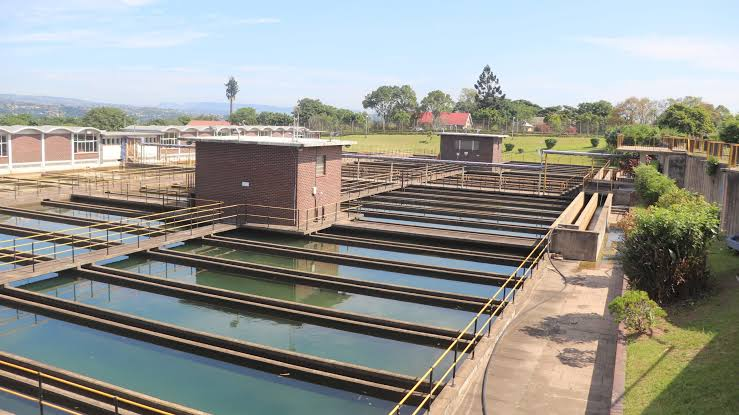
Water supply disruptions have severely affected local industrial output. For example, recent water cuts impacted electricity, gas, and water sector performance across Durban.
Dr. Ntokozo Nzimande from the University of Johannesburg analyzed the results. Specifically, he noted that local political uncertainty influenced business sentiment.
Furthermore, rising fuel and energy prices increased production costs across sectors. At the same time, tightening global financial conditions weighed heavily on the financial sector.
Municipality Unblocks 20 Strategic Investment Projects
To stimulate growth, the City Manager’s office intervened directly. Consequently, eThekwini is working to unblock 20 major private investment projects across the metro.
- Resolution Progress: Half of these strategic projects are already fully resolved.
- Regional Success Rates: Resolution rates reached 100% in the North Central region. Meanwhile, the North region achieved 86%, the Outer West reached 67%, and the Central region stood at 25%.
- Private Capital Flow: Authorities expect these resolutions to accelerate private investment across the city.
Local Unemployment Drops to 21.2%
Despite confidence headwinds, the local labor market showed positive gains. According to Statistics South Africa, eThekwini’s unemployment rate fell to 21.2%.
- Job Growth: Metro employment increased by 90,000 jobs year-on-year. Consequently, unemployment fell by 92,000 people.
- Key Drivers: Transport and logistics added 44,000 jobs over nine months. In addition, finance and business services generated 25,000 new positions.
- National Comparison: eThekwini’s 21.2% rate remains significantly lower than the national unemployment rate of 33.6%.
Future Outlook for eThekwini Municipality
Interventions from the Presidential eThekwini Group (PeWG) are showing early results. As a result, municipal responsiveness to business complaints is gradually improving.
However, incoming city leadership faces clear priorities. Specifically, the city must fix water sanitation infrastructure and accelerate power grid decentralization. Only then can eThekwini sustain economic growth and long-term private investment.
PREPARED BY YACOOB CASSIM