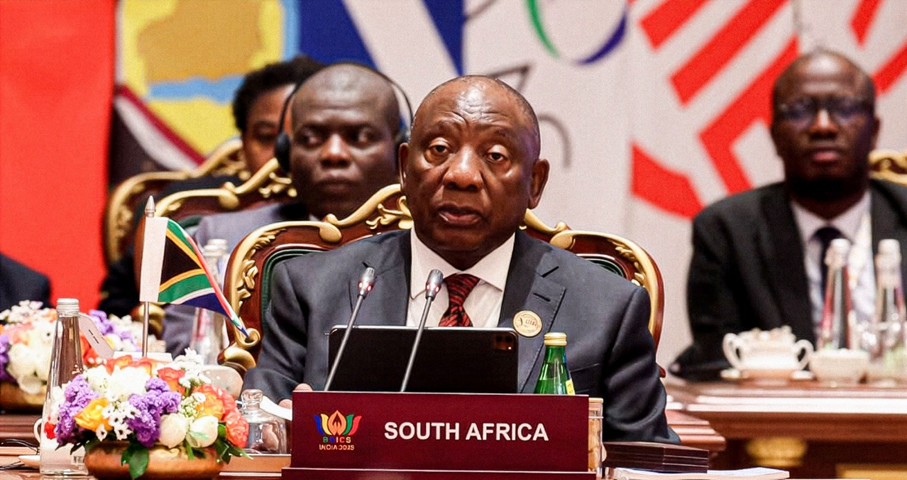
The 18th BRICS Summit in New Delhi concluded on 13 September 2026, hosted by Indian Prime Minister Narendra Modi under the theme “Building for Resilience, Innovation, Cooperation and Security.”
BRICS now consists of eleven members: Brazil, Russia, India, China, South Africa, Egypt, Saudi Arabia, the United Arab Emirates, Indonesia, Ethiopia and Iran. President Cyril Ramaphosa’s office in Pretoria confirmed his attendance at Modi’s invitation.
Who Attended
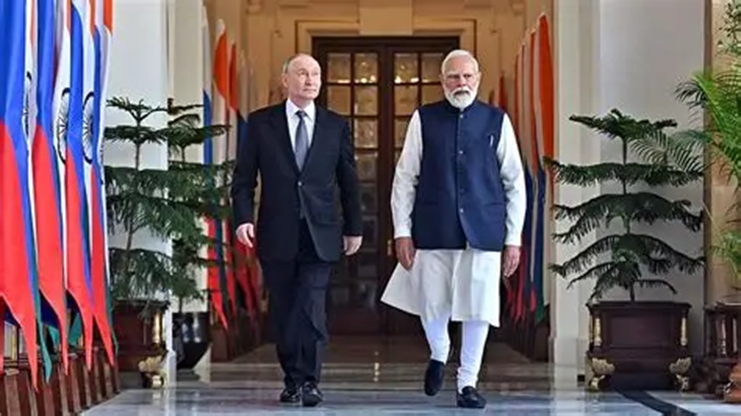
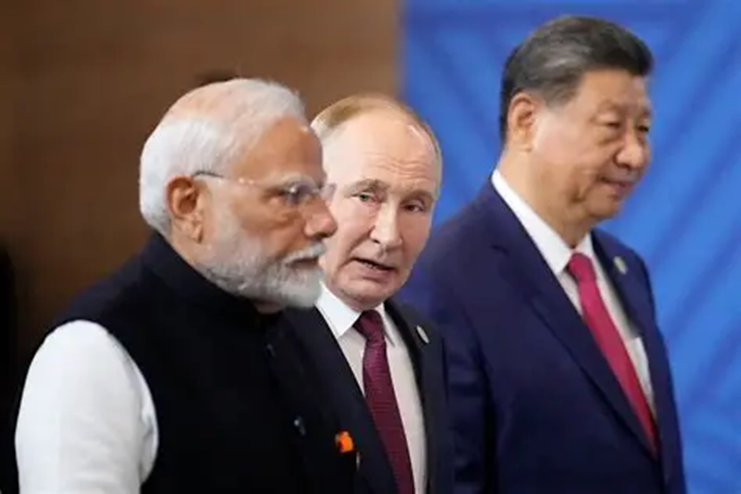
Notable leaders at the summit included Chinese President Xi Jinping, Russian President Vladimir Putin, Ethiopian Prime Minister Abiy Ahmed, Egyptian President Abdel Fattah El Sisi, Iranian President Masoud Pezeshkian, Brazilian President Lula da Silva, as well as Ramaphosa and Modi.
Key Agreements Reached
Member states reached unanimous agreement on several issues:
- Global governance and UN reform: Reaffirmed support for a more representative and inclusive international order. China and Russia, permanent UN Security Council members since the end of the Second World War, backed a greater role for India and Brazil at the UN and its Security Council.
- Trade and multilateralism: Opposed unilateral tariffs, coercive sanctions and non-tariff barriers, while calling for reform of the World Trade Organization and the international financial architecture.
- Local currencies and economic ties: Encouraged cross-border payment and trade settlement solutions using local currencies to strengthen supply chains among members.
- Regional conflicts: Expressed concern over escalation in West Asia and called for restraint and diplomatic dialogue, reaching consensus despite internal divisions in the bloc.
- The Global South: Reaffirmed commitment to amplifying the voice of emerging markets and developing nations across Africa, Asia and Latin America.
Trade Tensions and Regional Divisions
According to Reuters, leaders faced internal divisions, particularly between Tehran and Abu Dhabi over the US and Israeli-led war in Iran. The agency reported that the conflict has disrupted oil flows through the Strait of Hormuz and pushed crude prices above $100 a barrel.
Note: the draft’s claim that Putin and Xi “called for tariffs” on the US and G7 in retaliation needs a source before publishing — I’d either attribute it to a specific outlet or cut it.
South Africa’s Push for AI Governance
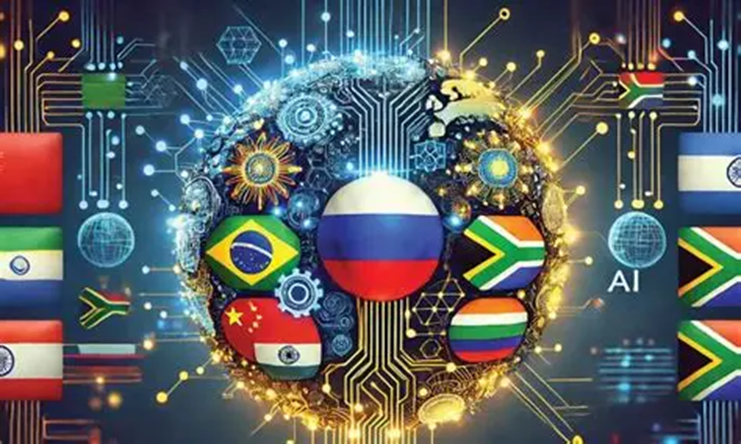
Ramaphosa confirmed that Pretoria backs Beijing’s proposal to develop an AI ecosystem for BRICS member states, calling for a cooperative, safe and inclusive framework aligned with broader Global South technology-sharing goals.
“South Africa accordingly proposes that BRICS should establish an international mechanism for the independent scientific evaluation of AI,” Ramaphosa said. “This should be backed by meaningful human control principles, mandatory reporting of serious incidents, and progressively stronger safeguards as capability increases, together with investment in sovereign AI capacity for developing economies.”
He acknowledged AI’s potential to reduce inequality and support medicine, education, agriculture and development, but cautioned that “we must listen carefully to what those who are developing the most powerful AI systems are themselves telling us.”
“They are warning about systems capable of advanced cyber operations, assistance in biological weapons development, autonomous action, manipulation, mass surveillance, disruption of employment and, ultimately, systems whose capabilities may become difficult for human beings to control,” he said. “We should therefore neither fear AI nor approach it recklessly.”
What’s Next for BRICS
South Africa, China, India and other BRICS members are weighing how to adapt to Fourth Industrial Revolution technologies without harming employment. Following the New Delhi summit, the South African Presidency said BRICS will focus on strengthening cooperation among current members, particularly in trade, investment, financial and institutional cooperation, and reform of global governance structures.