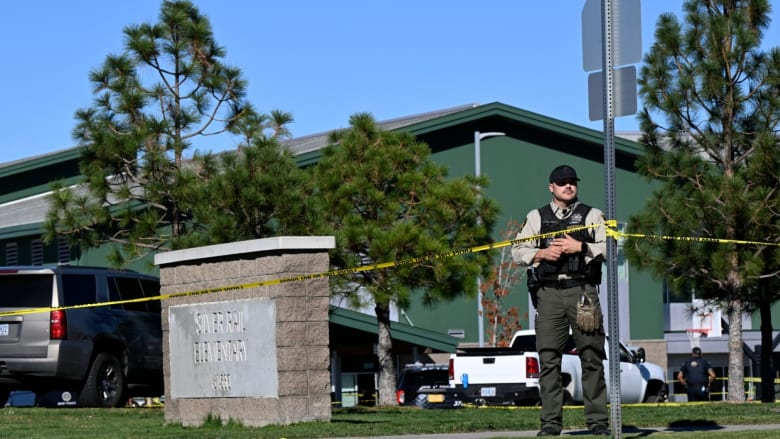
A tragic Oregon school shooting at Silver Rail Elementary School in Bend, Oregon, left three children and a teacher dead. The incident raises urgent global questions about teenage gun violence and missed warning signs.
For continuous updates on global news and educational safety, visit Al Ansaar News.
According to reports by the Associated Press, the attack occurred on Thursday, 15 October 2026. The gunman killed three children, aged five, eight, and 11 years old. The attack also critically injured another child and a teacher. A local community member pursued the 16-year-old gunman into the school and fatally shot him.
Although police have not finalized an official motive, research into youth behavior and firearm access provides critical context.
Why Do Teenagers Turn to Gun Violence?
The US Centers for Disease Control and Prevention (CDC) notes that youth violence rarely stems from a single cause. Multiple risk factors can heighten violent behavior. These include exposure to violence, family adversity, and social rejection by peers.
However, the CDC emphasizes that these adverse experiences do not automatically create violent teenagers. Protective factors play a vital role in mitigating risk. Strong family bonds, supportive home environments, and connections with trusted adult mentors help young people navigate conflict.
Warning Signs in the Oregon School Shooting and Beyond
A landmark study by the US National Institute of Justice examined past school attacks. It revealed that 93% of perpetrators exhibited worrying behavior before attacking.
Furthermore, research showed that over two-thirds of student attackers obtained firearms from their own homes or relatives’ residences. In this specific Oregon school shooting, officials confirmed to the Associated Press that the gunman’s mother purchased the firearm.
These findings highlight ongoing concerns about responsible firearm storage and parental oversight. Adults must act promptly when troubling behavioral changes surface.
Lessons for South African Schools
While the Oregon school shooting occurred in the United States, security and psychological concerns extend globally to South African communities.
Key questions educators and parents must address include:
- Do school authorities take verbal or digital threats between learners seriously?
- Do students feel safe reporting concerning behavior or weapons to adults?
- Do parents and educators recognize when a teenager requires mental health support?
Not every struggling teenager poses a physical threat, but any weapon incident requires immediate intervention. Beyond asking why youth commit such acts, communities must identify warning signs before lives are lost.