A screenshot circulating on WhatsApp claims the City of Cape Town has recently classified the Athaan, the Muslim call to prayer, as a nuisance noise. That claim is misleading. City documents and reporting show the post draws on a years old dispute about noise rules, and a 2022 City clarification confirms places of worship operating in appropriate zoning are not covered by the Noise Nuisances section of the by law.
Where the Athaan controversy began
The debate dates back to 2019 and intensified in 2021 when political parties clashed over amendments to Cape Town’s Streets, Public Places and the Prevention of Noise Nuisances By law. The GOOD Party raised concerns that the amendments did not explicitly exempt religious sounds such as the Athaan and church bells. The DA rejected claims that the City had criminalised religious calls to prayer. The dispute was widely reported in 2021 and was discussed in the run up to the municipal elections that year.
A mosque complaint that fuelled the debate
A 2019 noise complaint against Zeenatul Islam Masjid in District Six became a focal point. Tests reportedly showed the Athaan did not exceed decibel thresholds, but the complaint was considered under a reasonable person assessment in the City’s noise framework. That case fed into the 2021 political debate and is often cited in social posts that omit the original timeline.
What the City of Cape Town’s rules actually say
In April 2022 the City updated its Standard Operating Procedure for noise complaints to clarify how the by law applies to places of worship. The City stated that the Noise Nuisances provision does not apply to places of worship operating within appropriate zoning and that the procedure aims to balance constitutional religious rights with residents’ rights to a reasonable environment. In short, the City still regulates excessive noise, but there is no new 2026 law classifying the Athaan as a nuisance.
Why old screenshots keep causing confusion
Screenshots and forwarded messages often lack dates, original links or context. Posts referencing voting on 1 November align with the 2021 municipal election timeline. When those timestamps are removed, an old political dispute can appear to be a current policy change. That loss of context is the main reason the claim is resurfacing now.
Cultural context, Athaan and Cape Town’s Muslim heritage
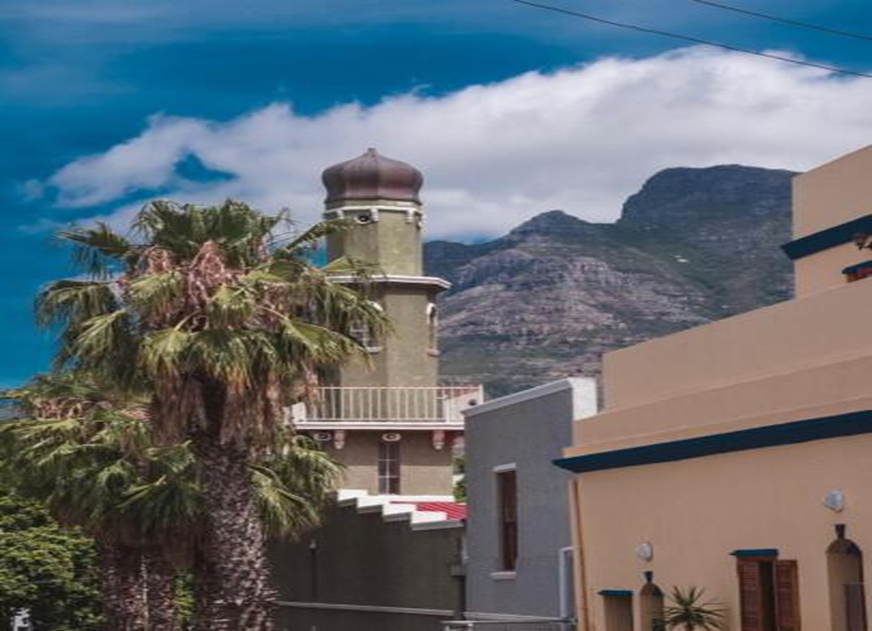
The Athaan is part of Cape Town’s Muslim heritage, especially in neighbourhoods such as Bo Kaap where mosques like Auwal Masjid have sounded the call for generations. Concerns about gentrification and changes to neighbourhood character have heightened sensitivity to any claim about restrictions on religious practice. These cultural factors explain why the claim spreads quickly, even when it is based on older events.
How to verify similar claims yourself
- Check the date on screenshots and social posts.
- Search official City of Cape Town documents, including the noise by law and SOP.
- Look for reputable reporting from established news outlets that provide context and timelines.
- Contact the City or your local ward councillor for official clarification if a post affects your community.
Bottom line
The available City documentation and reporting do not support claims that Cape Town passed a new 2026 law classifying the Athaan as a nuisance noise. The claim recirculates an older controversy from around 2019 to 2021. A 2022 City clarification on handling noise complaints involving places of worship remains the most relevant guidance. Readers should check original dates and official sources before sharing alarmist posts.