
South Africa’s 2026 local government elections on 4 November are shaping up to be highly competitive. Nationwide, 546 political parties will contest municipal polls. In eThekwini nearly 70 parties and 12 independent candidates will stand for council seats. This crowded field raises questions about vote splitting, coalition formation, and who will lead local government after the ballots are counted.
Who is standing in eThekwini
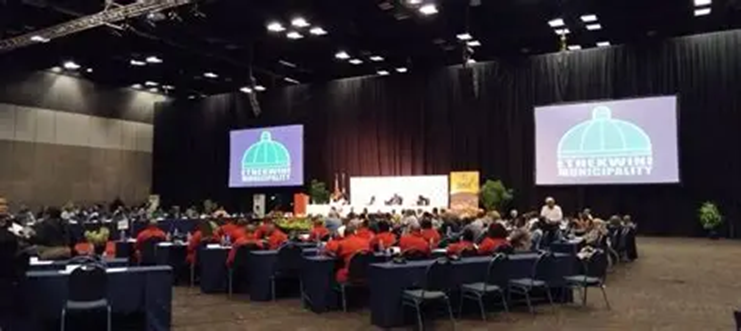
The Independent Electoral Commission has confirmed that 69 parties will contest eThekwini municipal council seats, and 12 independents will also appear on ballots. Among the parties listed are the 1860 NIC Congress, A Shall X Party, Next Generation Government, Organism Humanity Movement, Umkhumbe Wesizwe Organization, Service Delivery Party, Truly Alliances, KZN Independence, Justice and Employment Party, God’s Justice and Development Party, and the eThekwini Ratepayers’ Political Movement. Many smaller groups and new entrants aim to challenge the traditional parties.
Nationwide picture and candidate numbers
Across the country, the IEC says 546 of 732 registered parties will contest the local elections. Major metros show similar fragmentation. Johannesburg will see 80 parties on the ballot, Tshwane 72, Ekurhuleni 69, and the City of Cape Town 55. Other municipalities with large fields include Emfuleni with 43 parties, Polokwane with 40, Rustenburg with 38, and Nelson Mandela Bay with 38. In total 142 072 candidates were nominated, with 40 241 for proportional representation seats and 100 856 for ward seats.
Why the crowded field matters
A large number of minor parties can split opposition votes, and therefore make it harder for any single party to secure a majority. Consequently, coalitions are likely to determine who governs many municipalities. In eThekwini this could mean that smaller, locally focused parties hold the balance of power. Moreover, voters may find it harder to identify which parties can realistically influence council decisions.
The rise of grassroots movements and ratepayer politics
Groups such as the eThekwini Ratepayers’ Political Movement have emerged from local disputes and civic activism. ERPM Deputy Chairperson Rose Cortes says the party formed after ratepayers felt stonewalled by municipal leadership. Cortes explains the party aims to represent ratepayers’ interests directly in council. Therefore, ERPM and similar grassroots movements could attract voters frustrated with service delivery and local governance.
What analysts say about vote splitting and coalitions

Political analysts warn that fragmentation benefits parties that can build post-election alliances. Traditional parties such as the ANC, DA, and IFP still command significant support, but they have struggled to deliver consistently at local level. As a result, voters may shift to new entrants or independent candidates. Consequently, the post-election period will likely focus on coalition negotiations, policy compromises, and power sharing.
What voters in eThekwini should watch on election day and after
- Ward results and PR tallies
- Ward wins determine local representation, while proportional representation seats shape overall council balance.
- Coalition signals
- Parties that signal willingness to work with others may gain leverage during negotiations.
- Turnout and local issues
- Voter turnout and service delivery concerns will influence which parties gain momentum.
- Independent candidates
- Independents can be kingmakers in closely divided councils.
How the mayor will be chosen after the vote
Once council seats are allocated, councillors elect the mayor from among themselves. Therefore, the party or coalition with the majority of seats will determine the mayoral outcome. In closely contested councils the mayoral vote may hinge on coalition agreements and negotiated policy priorities.
The stakes for eThekwini’s future
eThekwini is a city with significant economic and social potential. How the next municipal council uses that potential will shape service delivery, investment, and local development. Consequently, the election outcome matters not only for party politics, but for everyday governance and long term planning.
Conclusion
The 2026 local government elections on 4 November will be closely contested in eThekwini and across South Africa. With hundreds of parties and thousands of candidates on the ballot, coalition politics and voter turnout will be decisive. Voters should study party platforms, check ward candidates, and prepare to follow post-election negotiations that will determine who governs their municipalities.