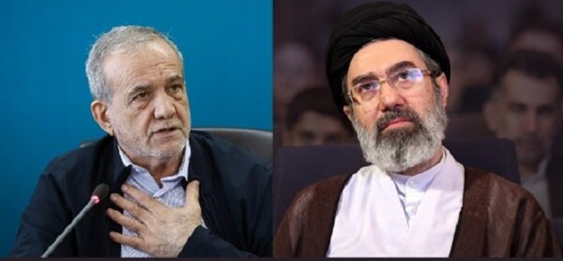
New Conditions for Regional Peace Iranian Supreme Leader Seyyed Grand Ayatollah Mojtaba Hosseini Khamenei recently outlined his regime’s conditions for ending hostilities with the United States. He finalized these Iran Supreme Leader demands after meeting with his national security chief, Mohsen Rezaei, regarding regional security and control of the Strait of Hormuz. This critical meeting on Tuesday followed the arrival of top officials from Saudi Arabia, Turkey, and Pakistan in Tehran.
The Assembly of Experts elected Khamenei after his father, Grand Ayatollah Ali Khamenei, died on 28 February during US-Israeli airstrikes. The new Supreme Leader has not appeared publicly since taking office.
US Resistance to the Iran Supreme Leader Demands
US President Donald Trump remains reluctant to make concessions. He accuses Iran of actively pursuing a nuclear weapons programme. The Islamic Republic strongly denies these accusations and maintains it strictly seeks peaceful nuclear energy. Trump stated that the US closely watches Iranian nuclear sites. “We know every single thing that is happening at Pickaxe Mountain,” Trump stressed. He also confirmed the destruction of three previously targeted Iranian nuclear facilities.
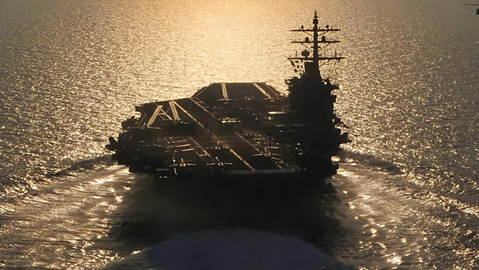
US Navy in the Mediterranean. Image: Supplied
A separate CNN report indicates that US forces stand ready to launch a large-scale operation within 96 hours of a presidential order. US Vice President J.D. Vance told Reuters that Tehran must make meaningful cuts to its uranium enrichment capabilities. “We’re not going to trade words for actions,” Vance said. An Iranian official quickly rejected Washington’s stance, stating it directly contradicts the Iran Supreme Leader demands.
Diplomatic Interventions and the Hormuz Blockade
Iranian President Masoud Pezeshkian recently spoke with Russian President Vladimir Putin. Pezeshkian expressed confidence in resolving regional problems without relying on the United States. Putin expressed concern and hoped the situation would evolve positively. Iran wants the US to lift sanctions before starting any nuclear energy talks. Conversely, the Americans demand immediate nuclear concessions.
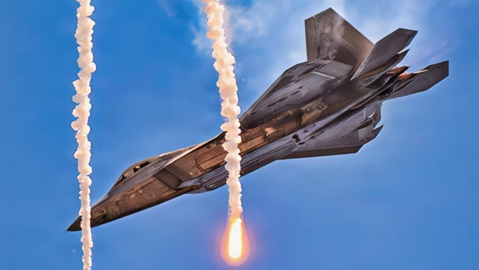
US Air Force F-22 Raptor. Image: Supplied
Khamenei emphasized the need to implement his exact conditions to end the current standoff. Iran previously stated the US must end its naval blockade of Persian Gulf ports and lift sanctions before peace talks can begin. Meanwhile, diplomatic activity has surged to prevent further US-Israel strikes. Tehran recently hosted delegates from Qatar, Saudi Arabia, Turkey, and Pakistan. China also dispatched special envoys to prevent the situation from worsening.
Khamenei and Rezaei discussed protecting national security by controlling the Strait of Hormuz. Disagreements over this vital waterway caused the last ceasefire to collapse in June. Tehran insists on controlling the strait, while the US demands freedom of passage.
Iran Prepares for Potential Conflict
President Pezeshkian described Khamenei’s directive as a highly important message that outlines the country’s future. Pezeshkian stressed that all government institutions will work fully to implement these objectives. He ordered executive bodies to maintain complete readiness for rapidly changing circumstances. He also urged cabinet ministers to prioritize effective management and cost reduction.
edition.cnn.comedition.cnn.com
Pezeshkian reaffirmed Iran’s determination to confront external threats, sanctions, and pressure with national unity. “Enemies must not imagine that by increasing pressure and threats, they can weaken the will of the Iranian nation and force the country to surrender,” he declared.
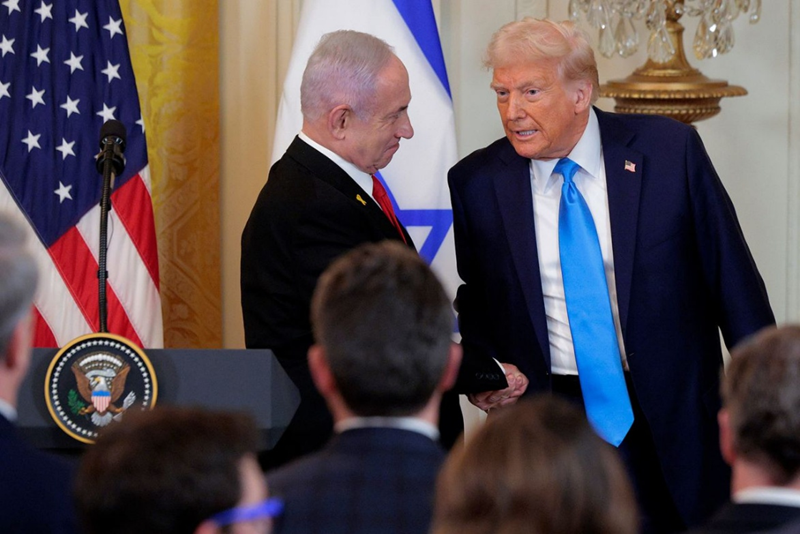
Iran stands firm on its position. President Trump and Israeli Prime Minister Binyamin Netanyahu appear to be preparing for another round of strikes. Observers cannot yet predict whether Washington will choose peace or war. However, Iran clearly remains prepared for a long stalemate or potential conflict.
Prepared by Yacoob Cassim