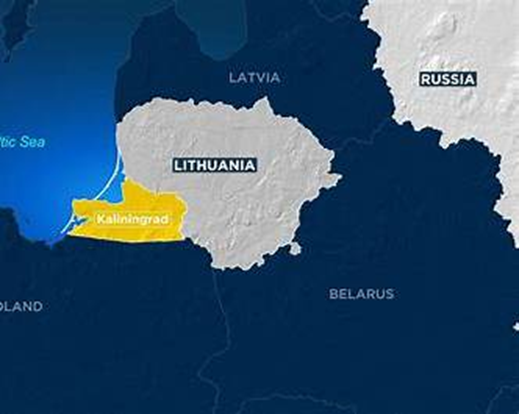
Russia has issued a severe Kaliningrad nuclear warning to NATO, stating that it could use nuclear weapons if the alliance attempts to cut off the small Russian territory wedged between NATO members Poland and Lithuania.
The warning was contained in a diplomatic document sent to NATO and reviewed by Reuters. Moscow claims it has information suggesting the alliance is preparing an air and naval blockade of Kaliningrad.
Russia has not publicly provided evidence that NATO is preparing such a blockade. NATO has rejected Moscow’s warning and called on Russia to stop making nuclear threats.
(Check out our Global News section for more daily international updates.)
So why has Kaliningrad become such a sensitive point between Russia and NATO?
What Sparked the Kaliningrad Nuclear Warning?
Moscow warned that it was prepared to use its full range of military capabilities, including nuclear weapons, if NATO attempted to isolate Kaliningrad.
Russia also warned that a serious confrontation could lead to strikes against what it described as decision-making centres in NATO countries, including government or military command sites.
NATO Secretary General Mark Rutte responded by stressing that NATO is a defensive alliance and urged Moscow to stop making nuclear threats.
Why Kaliningrad Matters
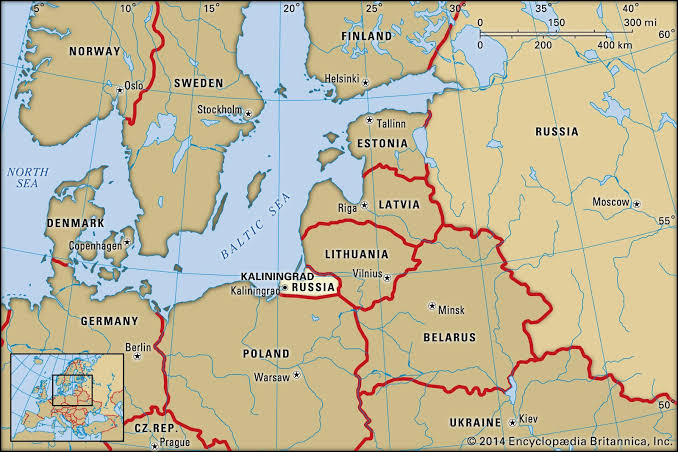
Kaliningrad is part of Russia but is separated from the Russian mainland. It sits on the Baltic Sea between Poland and Lithuania, both NATO members.
Despite its small size, the territory has major military importance. It is home to Russia’s Baltic Fleet and hosts Iskander missile systems capable of carrying nuclear weapons.
Its location gives Russia a significant military presence close to NATO territory. But that same geography also leaves Kaliningrad separated from the rest of Russia and potentially vulnerable during a wider conflict.
Tensions have increased since Russia’s full-scale invasion of Ukraine in 2022. NATO has strengthened its presence in eastern Europe, while Finland and Sweden have joined the alliance.
Why Baltic Tensions Are Rising
This Kaliningrad nuclear warning comes during a period of heightened tension across the Baltic region.
Poland has strengthened its air defences following alleged Russian incursions, while NATO has increased its military presence around its eastern members.
Russia argues that NATO’s growing presence near its borders threatens its security. NATO maintains that its actions are defensive and intended to protect member countries. Kaliningrad now sits at the centre of those opposing security concerns.
How Serious Is This Kaliningrad Nuclear Warning?
Despite the severity of Moscow’s language, NATO says there is no immediate threat to its territory.
Rutte told Euronews that NATO has prepared for possible threats and is ready to defend its territory. He also played down the possibility of a direct confrontation, arguing that Russia could not win a conflict against the alliance.
Independent experts, however, warn that the danger may lie in something less deliberate. Nikolai Sokov, a former Russian diplomat and nuclear weapons expert, noted that the risk of miscalculation is increasing as military activity and hostile rhetoric intensify.
That means the immediate concern is not necessarily that either Russia or NATO intends to start a nuclear conflict. Instead, growing military activity raises the possibility that an incident or action could be misunderstood and trigger a wider escalation.
Why Kaliningrad Could Remain a Flashpoint
Kaliningrad’s geography means Russian and NATO forces operate unusually close to one another in an already tense region.
Neither side has announced plans for direct military conflict. But Russia’s latest warning shows how quickly a dispute involving the territory could take on much greater significance.
Nuclear conflict may not be imminent, but Kaliningrad’s location, growing military activity in the Baltic, and increasingly hostile rhetoric mean the Russian territory is likely to remain a major pressure point between Moscow and NATO.