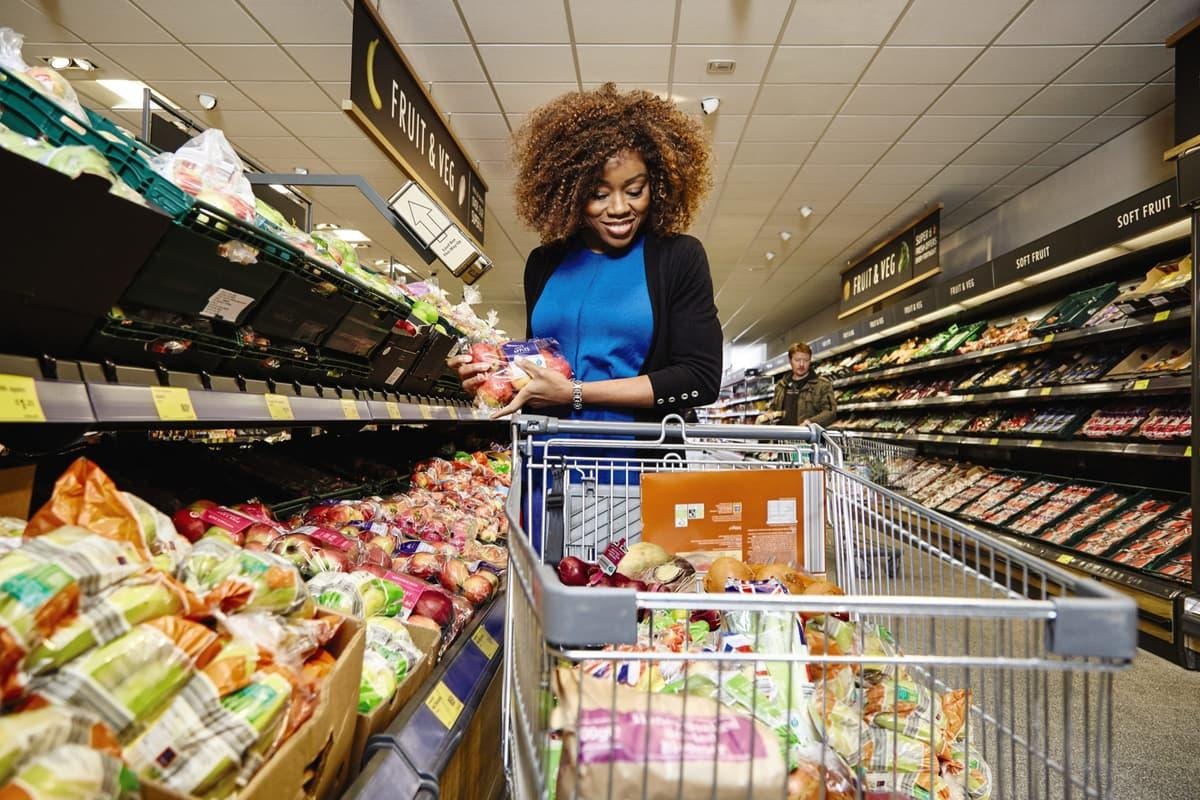
You walk into the supermarket for bread, milk and something for supper. Twenty minutes later, you leave with two bags, several “specials” and a receipt that feels suspiciously like a personal attack.
South Africans are not imagining the pressure at the till. Food inflation may be slowing, but groceries remain expensive. At the same time, ordinary shopping habits could be quietly pushing household bills even higher.
Why grocery bills still feel painfully high
The average South African household food basket cost R5,479.80 in August 2026, according to the Pietermaritzburg Economic Justice and Dignity Group. Although this was R50.72 lower than in July, the basket still cost R99.18 more than it did a year earlier.
In Pietermaritzburg, the basket reached R5,261.04, increasing by R87.47 in a single month. Potatoes, beef, onions, peanut butter and brown bread were among the foods that became more expensive.
For families already balancing electricity, transport, school costs and debt repayments, even a modest grocery increase matters. Every additional rand spent on food must come from somewhere else in the household budget.
Statistics South Africa reported that annual food and non-alcoholic beverage inflation slowed to 0.9% in July, its lowest level in more than 16 years. However, lower inflation does not mean food has become cheap. It simply means prices are increasing more slowly after years of increases.
September’s steep diesel increase could add between 0.4% and 0.6% to food prices through higher transport costs if those expenses are fully passed on to consumers.
With little room left in household budgets, these common habits deserve a closer look.
The habits quietly increasing your grocery bill
Shopping without checking your kitchen
Going to the supermarket without checking the fridge, freezer and cupboards makes duplicate purchases more likely. A list based on planned meals helps prevent food from being bought twice and forgotten at home.
Mistaking every special for a saving
A two-for-one promotion is not a bargain if the second product expires before it is used. Specials can encourage shoppers to spend more than planned, especially on products they would not normally buy.
Before adding something to the trolley, ask one question: Would I buy this if it were not on special?
Assuming bigger packs offer better value
Bulk buying can work for larger households, but bigger does not automatically mean cheaper. Compare the price per kilogram, litre or unit. More importantly, consider whether the household will finish everything before it spoils.
Making too many quick trips
The innocent “I’m only getting bread” visit has destroyed many respectable budgets. Frequent top-up trips create more opportunities for snacks, drinks and convenience products to slip into the basket.
Keeping a running list at home can reduce unnecessary supermarket visits and impulse purchases.
Buying food for the household you wish you had
Fresh produce is often purchased with excellent intentions, only to stage a slow and expensive death inside the vegetable drawer.
Buy according to what your household genuinely eats, not the ambitious meal plan that disappears by Wednesday. If bread, vegetables, dairy products or leftovers are regularly discarded, buy smaller quantities or freeze them before they spoil.
How to spend less without eating less
Before the next grocery shop, inspect what your household threw away during the previous week. That bin may reveal more about your spending habits than the supermarket receipt.
Check what you already have, plan meals that share ingredients, set a spending limit and compare unit prices. Buy specials only when they replace something already on the list, and treat delivery fees, pre-cut food and ready-made meals as occasional conveniences.
The most expensive product is not always the one with the highest price. Sometimes it is the bargain nobody eats, the duplicate forgotten in the cupboard or the quick supermarket visit that somehow becomes another full shop.