President Cyril Ramaphosa says South Africa’s key industries face an existential crisis due to high electricity prices, which is eroding the country’s industrial base. He addressed the Steel and Engineering Industries Federation of Southern Africa’s Presidential Business Breakfast this week, where he praised manufacturers for showing resilience.
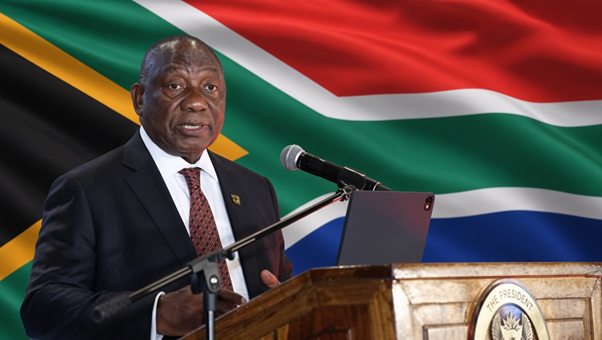
The metals and engineering sector has demonstrated extraordinary resilience despite geopolitical conflicts, supply chain disruptions and volatile energy prices, Ramaphosa said. He added that companies still face weak domestic demand, logistics constraints, high electricity costs, infrastructure bottlenecks and growing import competition.
“South African companies feel these pressures directly,” he said. “Investment decisions are delayed. Margins are squeezed. Factories operate below capacity, and ultimately, jobs are placed at risk.”
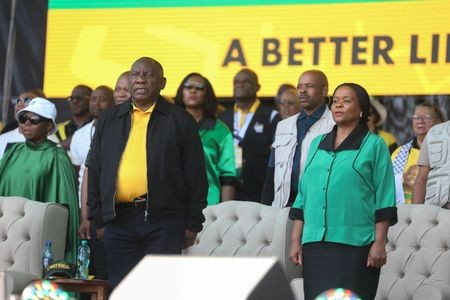
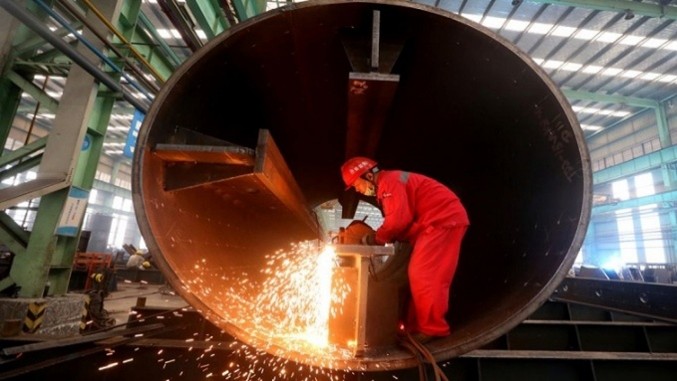
Ramaphosa called the manufacturing sector fundamental to the country’s growth, noting it directly sustains thousands of businesses across the economy.
Government Presses Ahead With SOE Privatisation
Government is now moving to privatise state-owned enterprises such as Eskom and Transnet. The plan includes decentralising the power grid and opening the energy and telecommunications sectors to private competition.
Some analysts argue the reforms favour private-sector interests over factions within the African National Congress and the Tripartite Alliance. Regardless of intent, the Government of National Unity has loosened state control to allow greater private-sector participation. Critics of the reforms point to Operation Vulindlela as evidence the state’s role is weakening.
What Is Operation Vulindlela?
Operation Vulindlela is a joint initiative between the Presidency and the National Treasury, launched in October 2020 to accelerate structural reforms and support economic recovery. It functions as a delivery mechanism rather than a new policy, focused on removing blockages and executing existing reforms.
Deputy Minister David Masondo oversees the programme, which reports directly to the president. A dedicated Vulindlela Unit in the Presidency and National Treasury monitors progress and addresses delays across electricity, water, transport, freight logistics and telecommunications. The reforms also extend to visa and immigration policy, aimed at attracting skills, investment and tourism.
Private Sector’s Growing Role in Infrastructure
Load shedding, Transnet’s operational inefficiencies and mounting debt have driven government to expand private-sector involvement in state enterprises. Private industry has played a role in unlocking investment and easing the load shedding crisis.
The private sector now holds more influence over electricity, ports and railways than at any point since 1994. Analysts describe the current shift as a hybrid model, combining competition with continued state ownership of key infrastructure, rather than a full return to private monopoly.
Ramaphosa, a former trade unionist and a founder of COSATU, has overseen a reform process that has drawn pushback from COSATU and the South African Communist Party. How the privatisation drive will affect industrial growth in the longer term remains to be seen.