Women’s Safety South Africa Walking Risk in Focus
Walking is supposed to be the simplest form of exercise. No fees, no equipment, no training. Yet for many South African women, walking or running requires a safety plan.
This reality was highlighted after five women’s bodies were discovered in and around Kempton Park over two months. The latest was found near Olifantsfontein on Monday. Police are investigating whether the cases are connected, but have not confirmed a serial killer.
Among the victims was 38‑year‑old Elizabeth “Tsontso” Moselakgomo, identified by her family after she disappeared on 9 September while out for a run.
Stats SA Confirms Widespread Fear
According to Statistics South Africa’s Governance, Public Safety and Justice Survey 2025/26, only 37.9% of South Africans felt safe walking alone after dark.
- 45.1% of women said they felt very unsafe.
- 38.8% of men reported the same.
- In Gauteng, where Kempton Park is located, 73.1% of residents felt unsafe walking alone after dark.
- Even in daylight, 25.8% reported feeling unsafe.
Fear changes behaviour. Stats SA found that 46.6% of individuals took precautions against crime, including restricting walking to certain hours.
When “Go for a Walk” Becomes Privileged Advice
Health experts often encourage walking outdoors. But that advice assumes safe public spaces. Women with access to gyms, gated estates, or private facilities have alternatives. Those relying on public parks and pavements may not.
Crime creates an invisible inequality around exercise. Safety depends on where a woman lives, her work schedule, transport options, and whether she can afford private facilities.
Police Advisories in Kempton Park
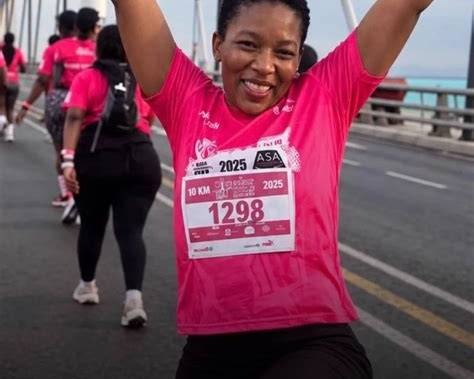
Police have advised women in Kempton Park not to walk or run alone, especially in isolated areas, and to exercise in groups where possible. While practical, this advice highlights the burden women carry: change routes, adjust times, find companions, and stay alert.
UN‑Habitat and Safer Public Spaces
UN‑Habitat’s Women’s Safety Audits show that urban design influences safety. Lighting, visibility, pedestrian infrastructure, and well‑maintained public spaces all matter. Effective policing and security presence are also critical.
Women can take precautions such as choosing populated routes, exercising with others, sharing their location, and staying aware. But responsibility should not fall solely on women.
The Real Cost of an Unsafe Walk
Walking should be free and accessible. Yet when women must calculate daylight, location, transport, and companionship before exercising, the cost is hidden but real.
The Kempton Park investigation continues, but the wider issue is clear: women’s safety in public spaces is not just about individual precautions. It requires systemic change to make those spaces safer.