Introduction
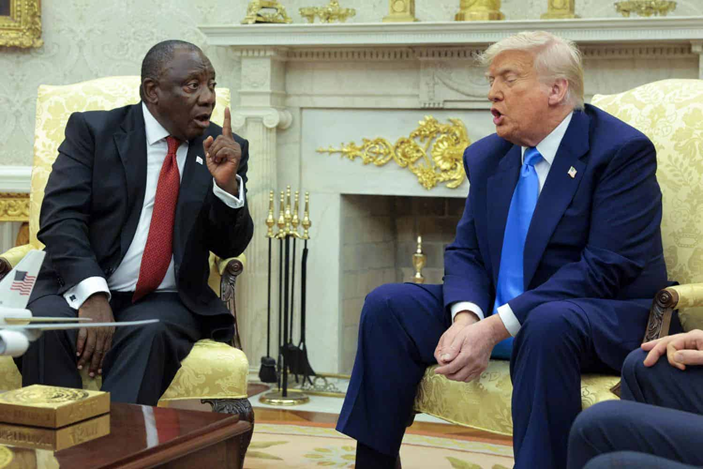
US visa restrictions South Africa were announced by the US State Department. The United States says the measures target politically connected South African nationals linked to race based discrimination, incitement to imminent violence, or policies that enable uncompensated land seizures. The actions include visa bans and targeted sanctions. Consequently, relations between Washington and Pretoria have become strained. Moreover, the move has sparked heated debate across South Africa’s political landscape.
What the US Announced
US officials said they will deny entry to foreign nationals they believe are responsible for serious human rights abuses or actions that could lead to imminent violence. In addition, Washington signalled possible adjustments to aid and other targeted measures. The US framed the policy as specific and targeted rather than a blanket sanction on South Africa. Importantly, officials described the steps as reversible if concerns are addressed.
Context: Land Reform and Recent Laws
The measures come amid long running debates over land reform. South Africa’s New Expropriation Act allows expropriation under certain conditions. Supporters say the law addresses historic inequality. However, critics warn it could harm property rights and investor confidence. Therefore, the law and related Black Economic Empowerment policies have drawn both domestic and international attention. At the same time, Pretoria stresses that reforms follow constitutional and democratic processes.
Reactions in Pretoria and Across Political Parties
The Department of International Relations and Cooperation expressed concern and called the move unilateral. DIRCO said South Africa expects respect for its sovereignty and for its constitutional processes. Political parties reacted along familiar lines. Parties that back land redistribution without compensation condemned the US action as interference. Conversely, parties focused on property rights welcomed Washington’s stance. Meanwhile, civil society groups and commentators offered mixed views. Some warned the measures could escalate tensions, while others argued they could pressure Pretoria to act faster on security and transparency.
Key Claims and Counterclaims
US officials described the policy as a targeted response to alleged abuses. Critics argue the US relies on exaggerated or selective allegations, including claims of genocide against white farmers. Supporters point to reports of violent attacks and say targeted measures are needed to protect vulnerable communities. Both sides have used public statements to press their case. Therefore, public debate has focused on evidence, proportionality, and the best way to protect rights without undermining sovereignty.
Diplomatic Messaging and Escalation Risks
US diplomats warned the restrictions could mark the start of further pressure if Washington’s concerns are not addressed. South African officials urged dialogue and legal channels. Analysts warn that continued friction could harm cooperation on trade, security, and development. At the same time, Pretoria may seek to diversify partners if tensions persist. Consequently, both capitals face choices about escalation and engagement.
Regional and International Implications
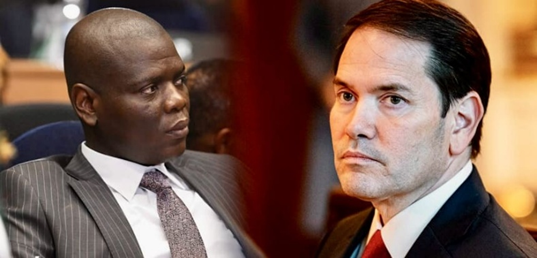
The dispute may affect regional diplomacy and trade ties. Other countries will watch how Pretoria and Washington manage the row. The balance between defending human rights and respecting national sovereignty will shape international responses. Therefore, the outcome could influence how external actors engage with domestic policy debates in sovereign states. In addition, the dispute may prompt closer regional coordination on migration, investment, and security.
What This Means for South Africans
For individuals subject to restrictions, the consequences can be immediate and personal. For the wider public, the row could influence aid, investment sentiment, and diplomatic cooperation. South African leaders must weigh domestic policy goals against possible international fallout. Clear, transparent domestic processes and strong communication with international partners can help reduce tensions. Moreover, timely action on crime prevention and transparent investigations will shape international perceptions.
Steps Authorities and Communities Can Take
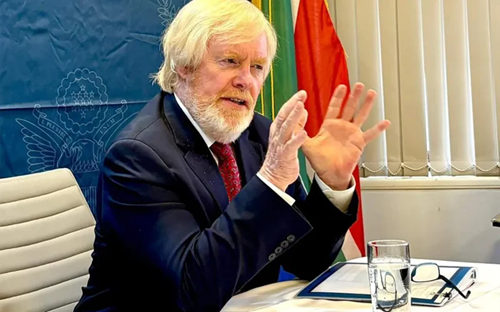
Authorities should keep processes transparent and lawful. In addition, they should publish clear information on investigations and reforms. Civil society can push for accountability and protection for all communities. Meanwhile, diplomatic channels should remain open to resolve differences through discussion and legal means. Constructive engagement will reduce the risk of escalation. Importantly, both sides should prioritize evidence based steps and measured responses.
Conclusion
The US visa restrictions on selected South African citizens mark a tense moment in bilateral relations. The measures reflect deep disagreements over land reform, minority rights, and how the international community should respond to allegations of discrimination and violence. How Pretoria and Washington handle diplomacy, legal processes, and public communication in the coming weeks will determine whether the dispute escalates or is resolved without lasting harm to cooperation.