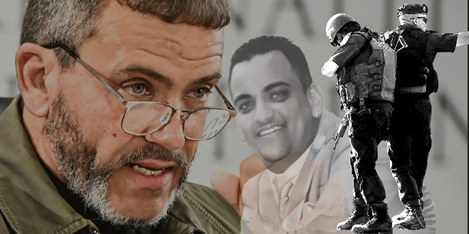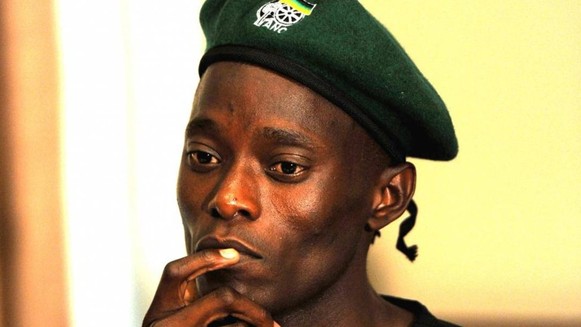

An undercover South African Police Service (SAPS) Crime Intelligence operative has told the Madlanga Commission of Inquiry that the 2017 assassination of former ANC Youth League secretary-general Sindiso Magaqa was not an inevitable act of violence — but one that could have been prevented if his warnings had been heeded.
Testifying in camera on Monday as Witness E, the operative said he became aware of a plot to kill Magaqa months before the attack, receiving information directly from an informer who said he had been hired to carry out the hit.
“I got the information … on July 2, 2017,” Witness E told the commission, adding that one of the shooters was a police informant handled by Crime Intelligence and that the planned attack was to take place within a fortnight.
But despite raising the alarm with his immediate superiors, the officer said his calls to act were ignored. He proposed practical steps — including seizing weapons and vehicles earmarked for the hit — but was rebuffed, he told the commission.
Commission chair Justice Mbuyiseli Madlanga pressed Witness E on why he reported the plot to officials who were later alleged to be linked to facilitating the murder, exposing a troubling contradiction in responsibility and accountability. Witness E maintained that those officials were unaware at the time of their eventual involvement.

Magaqa, then 35, was ambushed along with two councillors outside a shop after a council meeting in southern KwaZulu-Natal on 13 July 2017. He succumbed to his injuries in September that year. In July 2025, hitman Sbusiso Ncengwa was handed a 25-year prison sentence for his role in the murder.
The testimony underscores deep concerns about institutional responses to intelligence and operational oversight within SAPS Crime Intelligence at the time. Analysts say it raises broader questions about internal reporting chains, retaliation risks for whistleblowers, and the culture within security structures when political assassinations intersect with law enforcement duties.
Witness E — currently under witness protection due to the sensitivity of his evidence — also told the commission that he discussed the case with Police Minister Senzo Mchunu in late 2024 and disclosed the names of officials allegedly linked to the operation surrounding Magaqa’s death.

While refusing to publicly name the alleged masterminds due to safety concerns, Witness E conceded that the murder was entirely preventable, prompting renewed scrutiny of leadership and decision-making failures.
As proceedings continue, the commission’s findings could have far-reaching implications for how South Africa’s criminal justice and intelligence services handle information about targeted political violence — a subject that has been at the heart of public debates on accountability and the rule of law.
Article written by:
Thabile Duma
Journalist at Radio Al Ansaar