By Sibongile Nyamo
For many families in KwaZulu-Natal, justice has often felt out of reach, especially in cases of gender-based violence against women and children, where delays in forensic evidence can mean the difference between conviction and collapse.
That reality may soon begin to change.
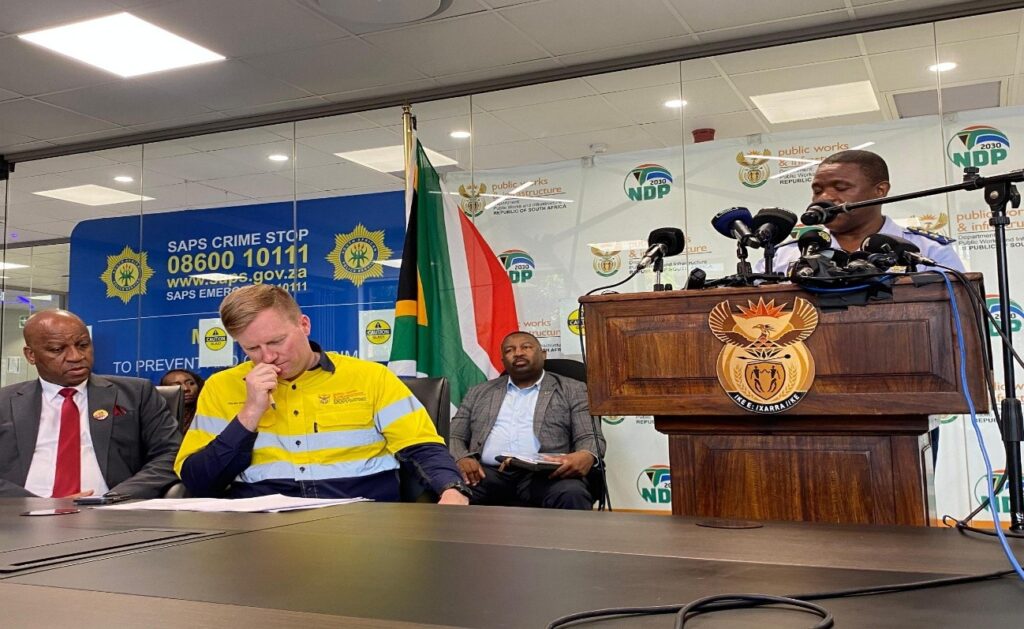
The handover of the new forensic science laboratory in Mayville, Durban, by Minister of Public Works and Infrastructure, Dean Macpherson to the South African Police Service marks a significant step in strengthening the fight against crime, particularly GBV.
The state-of-the-art facility is expected to speed up forensic processing, a critical part of building strong cases for survivors seeking justice.
Speaking at the handover, Macpherson said the facility represents more than just infrastructure.
“Crime is the number one enemy of South Africa and through this facility, Public Works is playing a part by delivering the infrastructure that enables police to defend the rule of law by bringing criminals to justice.”
For survivors of abuse, forensic delays have long meant prolonged trauma, with cases dragging on or failing due to lack of timely
evidence.
Deputy Minister of Police, Cassel Mathale, says the investment directly targets that gap.
“This signifies investment in our ability to prevent and investigate crime like murder.”
KwaZulu-Natal Premier, Thamsanqa Ntuli, acknowledged the damage caused by inefficiencies in the past.
“For far too long, delays in forensic processing have weakened cases and eroded confidence. Today we say no more, we invest in a system that has urgency, integrity and purpose.”
In a province where GBV remains a serious concern, faster forensic turnaround times could mean quicker arrests, stronger prosecutions, and ultimately, justice for victims.
KwaZulu-Natal SAPS Provincial Commissioner, Nhlanhla Mkhwanazi, highlighted the backlog currently affecting the justice system.
“There are thousands of unfinalised cases at court. The introduction of this SAPS forensic science laboratory will help investigation teams to deliver well-structured dockets to court to make sure the cases are finalised.”
For many families, each unresolved case is not just a statistic, it is a painful reminder of a system that has struggled to protect them.
This new laboratory brings renewed hope that evidence will no longer sit waiting, and that survivors, especially women and children, will be heard, believed, and supported through stronger cases.
But as the doors of the facility open, a critical question remains,
Will this investment finally lead to faster justice and restore the public’s trust in the police?
For many families in KwaZulu-Natal, justice has often felt out of reach, especially in cases of gender-based violence against women and children, where delays in forensic evidence can mean the difference between conviction and collapse.
That reality may soon begin to change.
The handover of the new forensic science laboratory in Mayville, Durban, by Dean Macpherson to the South African Police Service marks a significant step in strengthening the fight against crime, particularly GBV.
The state-of-the-art facility is expected to speed up forensic processing, a critical part of building strong cases for survivors seeking justice.
Speaking at the handover, Macpherson said the facility represents more than just infrastructure.
“Crime is the number one enemy of South Africa and through this facility, Public Works is playing a part by delivering the infrastructure that enables police to defend the rule of law by bringing criminals to justice.”
For survivors of abuse, forensic delays have long meant prolonged trauma, with cases dragging on or failing due to lack of timely
evidence.
Deputy Minister of Police, Cassel Mathale, says the investment directly targets that gap.
“This signifies investment in our ability to prevent and investigate crime like murder.”
KwaZulu-Natal Premier, Thamsanqa Ntuli, acknowledged the damage caused by inefficiencies in the past.
“For far too long, delays in forensic processing have weakened cases and eroded confidence. Today we say no more — we invest in a system that has urgency, integrity and purpose.”
In a province where GBV remains a serious concern, faster forensic turnaround times could mean quicker arrests, stronger prosecutions, and ultimately, justice for victims.
KwaZulu-Natal SAPS Provincial Commissioner, Nhlanhla Mkhwanazi, highlighted the backlog currently affecting the justice system.
“There are thousands of unfinalised cases at court. The introduction of this SAPS forensic science laboratory will help investigation teams to deliver well-structured dockets to court to make sure the cases are finalised.”
For many families, each unresolved case is not just a statistic — it is a painful reminder of a system that has struggled to protect them.
This new laboratory brings renewed hope that evidence will no longer sit waiting, and that survivors — especially women and children — will be heard, believed, and supported through stronger cases.
But as the doors of the facility open, a critical question remains,
Will this investment finally lead to faster justice and restore the public’s trust in the police?