
The World Economic Forum (W.E.F.) 2026 in Davos, Switzerland is in full session, having started on January 19 and ending on January 23. Leaders from across politics and business have gathered at the summit to influence debates on current affairs and issues such as trade, energy, and investment. The Davos Congress Centre serves as the venue for the W.E.F., located in the Swiss ski resort town of Davos. The theme for this year’s edition of the forum is “A Spirit of Dialogue.”
Among the African political leaders attending the summit are Egyptian President Abdel Fatah El-Sisi and Moroccan Head of Government/Prime Minister Aziz Akhannouch. The presidents of the Democratic Republic of Congo (DRC), Félix Tshisekedi, Mozambique’s Daniel Chapo, and Ghana’s John Dramani Mahama have also confirmed their participation.
Other African heads of state are expected to appear in more targeted formats. This is notably true of Sierra Leone’s Julius Maada Bio and Equatorial Guinea’s Teodoro Obiang Nguema Mbasogo, particularly on energy-related concerns.

One of Africa’s focal points at the Forum will be the African Continental Free Trade Area (AfCFTA). The WEF intends to take stock of the ‘Friends of the AfCFTA’ initiative, launched four years ago to rally international private-sector support behind African economic integration. Around 40 multinational chief executives are involved, including Albert Bourla of Pfizer, James Quincey of Coca-Cola, Sultan Ahmed bin Sulayem of DP World, Dolf van den Brink of Heineken – who has announced his departure from the group in May – and Vasant Narasimhan of Novartis. The Forum’s stated ambition is to move from broad pledges to measurable outcomes, notably in implementing the protocol on digital trade and developing regional value chains.
One showcase example this year is a pilot project within the East African Community, led by Coca-Cola and several regional governments, to structure a local mango-processing industry. The initiative has resulted in an estimated 50% reduction in imports of mango purée.

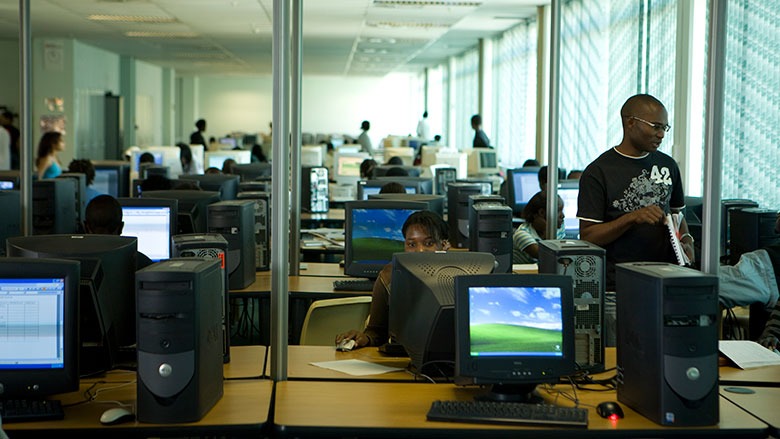
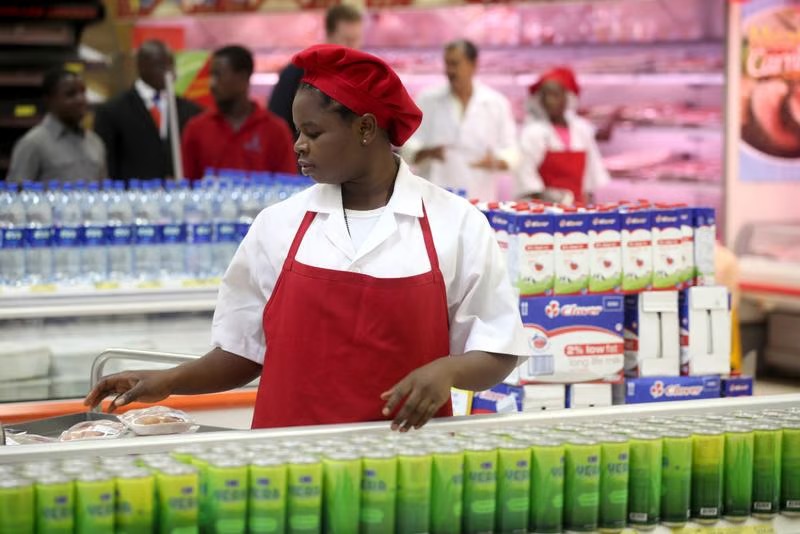
The promise of AfCFTA is not only to strengthen cooperation on trade but also to improve access to skills training and create jobs. A key guarantee of the agreement is the promotion of revenue generation to uplift African nations from poverty by growing their own economies. Support from the private sector is the main pillar that can strengthen economic integration through infrastructure development. International corporations such as Coca-Cola, Pfizer, DP World, and Novartis provide significant opportunities for AfCFTA to flourish. The backing of these companies and their CEOs will foster connectivity between both landlocked and coastal African nations.
The focus on digital trade and the development of regional value chains aims to promote industrial manufacturing of goods within Africa. The pilot project in the East African Community (EAC) is an excellent example of advancing agricultural and industrial capabilities. The goal of this project is to transform the EAC (comprising Tanzania, Uganda, Kenya, Burundi, Rwanda, and South Sudan) into an economic powerhouse of sustainability.

Another central topic in Davos is access to energy. More than half of the continent still lacks reliable electricity, even as population growth and industrial ambitions accelerate. In this context, the WEF will host a private session with Rafael Mariano Grossi, director-general of the International Atomic Energy Agency (IAEA), focused on small modular nuclear reactors (SMRs). These are increasingly explored as a potential solution for fragmented grids or isolated industrial sites, particularly in mining.
Ministers and senior officials from South Africa, Egypt, Tanzania and Namibia are expected to take part, in connection with multilateral initiatives such as ‘Mission 300’, backed by the World Bank.
The purpose of promoting peaceful nuclear energy in Africa is to meet the growing power demands of an integrated market. Small Modular Reactors (SMRs), as promoted by the IAEA, can serve as catalysts for improving energy efficiency across the continent. Nuclear energy, if administered correctly without harming the environment, can power homes, businesses, and transport systems. This form of energy can be utilized for a given period, while other sources such as solar, wind, and, where possible; hydropower can serve as supporting pillars for Africa’s fledgling economies. Another promising example of renewable energy is hydrogen.
Cabinet representatives and aides attending the Davos W.E.F. should take note of the economic successes of their regional counterparts. Multilateralism remains the path to greater heights through cooperation, the sharing of ideas, and strengthened relations.
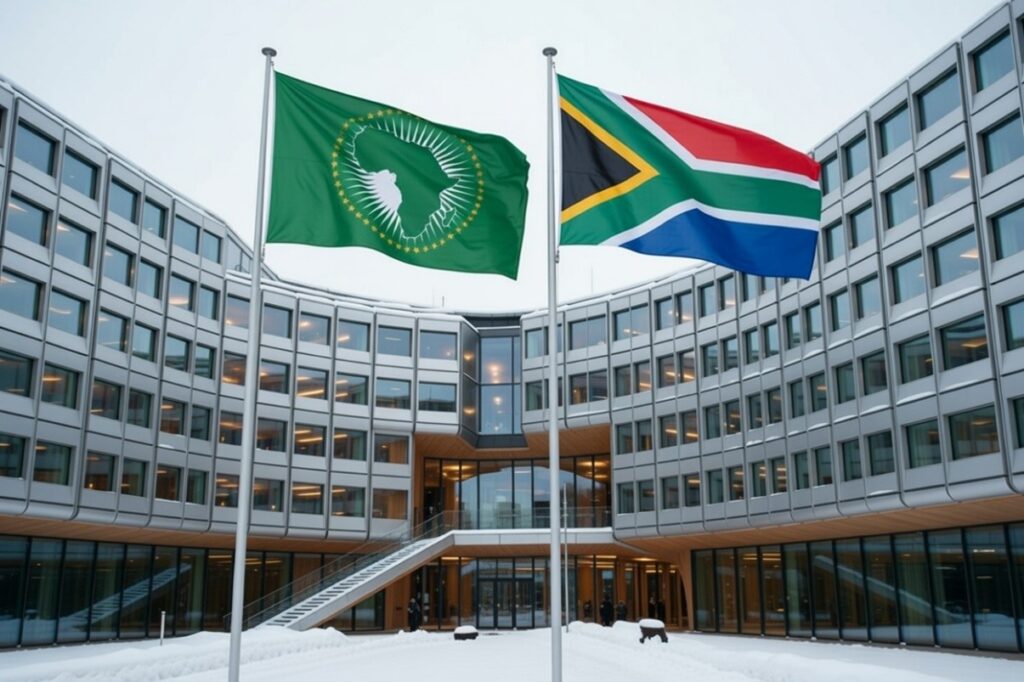
South Africa has long positioned itself as a regional leader in Sub-Saharan Africa, and Davos 2026 offers a stage to reinforce that narrative on the world’s biggest policy platform. The delegation will articulate a vision of a more integrated, prosperous Southern Africa that can contribute meaningfully to global challenges such as climate change, food security and digital innovation. As a founding member of AfCFTA (African Continental Free Trade Area), South Africa will champion the removal of barriers and the harmonisation of customs procedures. Under the AfCFTA South Africa exported R571 billion worth of goods to the balance of the continent in 2024. The Johannesburg Stock Exchange remains Africa’s largest and most liquid capital market.
This narrative is aimed at shifting the story from “aid recipient” to “partner of choice”, encouraging multilateral institutions and private investors to view the region as an engine for global growth.
South Africa, under President Cyril Ramaphosa, can be a formidable power and a leader for Africa to follow. The sub-Saharan region, in particular, is abundant not only in natural resources but also in natural talent that can be harnessed in the industrial manufacturing sector. This focus on skills training and job creation will lay the foundation for an integrated and prosperous Africa. For the business, political, and governance leadership of the continent to attract investors in support of AfCFTA, the right institutions must be empowered and the right civil society groups must be heard. The South African Government of National Unity (GNU) must determine its place and role in dismantling economic barriers across the Southern African Development Community (SADC).
Pretoria must work alongside the private sector to raise the standard of living across the country. This will set an example to the region and the world that South Africa is a stable nation. Ramaphosa must lead the charge and promote not only sustainable energy but also strong institutions. The time for change is now, as the clock ticks.
Article written by:
Yacoob Cassim
Journalist at Radio Al Ansaar