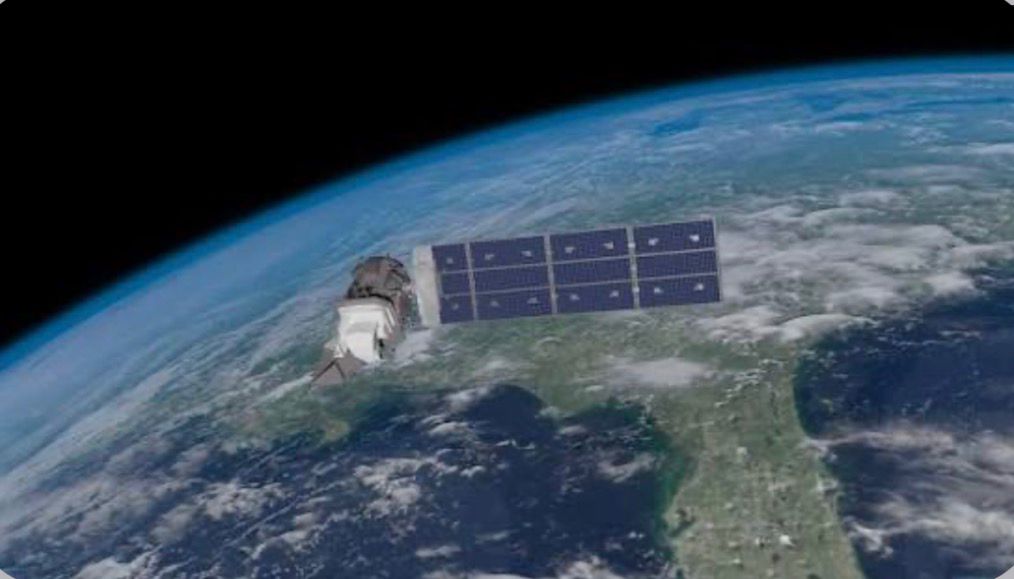

As tensions between Iran, Israel and the United States continue to escalate, a quieter but equally decisive battle is unfolding far above the Earth. While missiles, drones and airstrikes dominate headlines, satellites orbiting hundreds of kilometres above the planet are rapidly becoming one of the most powerful tools shaping the conflict.
In modern warfare, information is power – and satellites have become the ultimate source of battlefield intelligence.
In recent days, satellite imagery has played a critical role in revealing the scale of military strikes inside Iran. With access to many affected areas restricted, analysts and journalists have increasingly relied on images captured from space to verify what is happening on the ground. High-resolution satellite photographs have shown the aftermath of strikes on strategic sites, including infrastructure linked to Iran’s nuclear programme.
One of the most closely watched locations is the Natanz nuclear enrichment facility, a key component of Iran’s nuclear infrastructure. Satellite images have reportedly revealed visible damage to buildings and surrounding structures following strikes linked to the ongoing confrontation. For analysts studying the conflict, these images provide rare insight into the extent of the damage and the potential impact on Iran’s nuclear capabilities.
Satellite imagery has also revealed destruction across a wider network of Iranian military locations. High-resolution photographs have shown damage at missile bases, military compounds and strategic installations across several regions. These images allow analysts to map the spread of the conflict and understand how deeply the strikes have penetrated Iranian territory.
The growing reliance on satellite intelligence highlights a profound shift in how wars are fought and understood. Satellites can detect missile launches by tracking heat signatures, monitor troop movements, observe military bases and capture detailed images of strike sites only hours after an attack occurs. This information can influence military planning, diplomatic decisions and global perceptions of the conflict.
Beyond government intelligence agencies, commercial satellite companies are now playing an increasingly influential role in documenting modern warfare. Private imaging satellites operated by independent firms are capable of capturing highly detailed photographs of conflict zones around the world. These images are analysed by researchers, journalists and military experts, making it far more difficult for governments to hide the true scale of military operations.
The result is a battlefield that is no longer hidden from view. In many ways, modern conflicts have become visible from space.
This growing dependence on orbital intelligence means the struggle for strategic advantage is no longer confined to land, sea or air. A parallel contest is unfolding in space, where the ability to observe, track and analyse events in real time can provide a decisive advantage.
In the Middle East, where tensions between Iran and Israel continue to intensify and the United States remains deeply involved, satellites have become an essential instrument of modern warfare. They reveal the damage caused by strikes, expose military activity and shape how governments and the global public understand the conflict.
The war in the Middle East is therefore being fought on multiple levels. There are the visible battles on the ground, the diplomatic battles in international capitals, and increasingly, a silent war unfolding far above the Earth.
In that invisible arena, satellites are watching everything -and their view from space may ultimately determine how the conflict is understood, and how it unfolds next.
Article written by:
Hudaa Ahmed
Journalist at Radio Al Ansaar