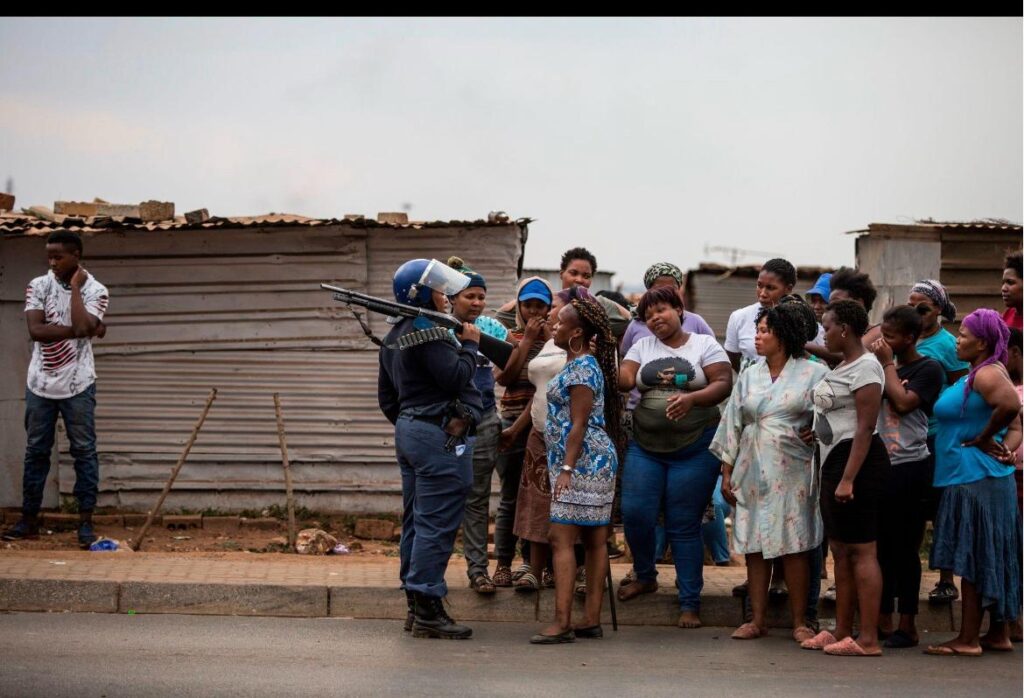

As economic pressure deepens across parts of the world, immigration is rapidly becoming one of the most emotionally charged and politically divisive issues of the modern era — and South Africa is increasingly finding itself at the centre of that global conversation.
Rising anti-immigrant tensions in parts of South Africa have once again drawn international attention, with several African countries warning citizens about safety concerns amid growing frustration over unemployment, crime, and economic hardship. But analysts say the tensions unfolding locally reflect a much broader international pattern now emerging across struggling economies worldwide.
In recent weeks, concerns around xenophobic violence in South Africa intensified following reports of attacks, intimidation, and protests targeting foreign nationals in certain communities. The situation escalated further after Ghana announced plans to evacuate approximately 300 of its citizens from South Africa following growing fears over safety and unrest.
Several African governments have since urged citizens living in or travelling to South Africa to exercise caution as tensions continue simmering in some areas. South African authorities have meanwhile promised a crackdown on violence and criminal activity linked to xenophobic incidents, while calling for calm and restraint.
The renewed international spotlight on South Africa has reignited difficult conversations around immigration, unemployment, border control, and pressure on already strained public services. While many South Africans strongly condemn violence against foreign nationals, others argue that worsening economic conditions, rising living costs, unemployment, and competition for limited opportunities have intensified frustration within vulnerable communities.
In some affected areas, fear and uncertainty have reportedly disrupted small businesses and daily life, with some foreign-owned shops temporarily closing amid concerns over unrest and intimidation.
However, observers warn that South Africa’s situation cannot be viewed in isolation.
Across Europe, immigration has become a defining political battleground. Governments are facing mounting pressure from voters demanding tighter border controls, stricter asylum systems, and faster deportation processes. Earlier this year, European lawmakers approved measures aimed at accelerating deportations for rejected asylum seekers as migration debates continue dominating political discourse across the continent.
In Germany, the far-right Alternative for Germany party, known as the AfD, has continued gaining support by campaigning heavily on immigration concerns, border security, and economic anxiety. The growing popularity of anti-immigration parties across Europe signals a significant political shift in countries that were once regarded as strong supporters of migrant and refugee integration.
Political analysts say periods of economic instability often intensify anti-immigrant sentiment, as struggling populations search for visible explanations for declining living conditions, unemployment, crime fears, and pressure on public resources.
South Africa’s unemployment crisis, rising cost of living, service delivery failures, and deep economic inequality have created fertile ground for social frustration. In many communities, immigrants and undocumented migrants have increasingly become symbolic targets for anger linked to broader governance and economic failures.
Human rights organisations have meanwhile warned that migrants and refugees often become especially vulnerable during periods of economic uncertainty, where fear, misinformation, political rhetoric, and social anxiety can rapidly escalate tensions on the ground.
The growing international focus on xenophobia and migration reflects a much larger question now confronting governments worldwide: how to balance economic pressure, border control, public frustration, social stability, and humanitarian responsibility in increasingly fragile societies.
As economies tighten and public anxiety rises, immigration is no longer simply a policy debate. From South Africa to Europe and beyond, it is increasingly becoming a fault line through which societies are expressing deeper fears about economic survival, identity, security, and the future itself.
Article written by:
Hudaa Ahmed
Journalist at Radio Al Ansaar