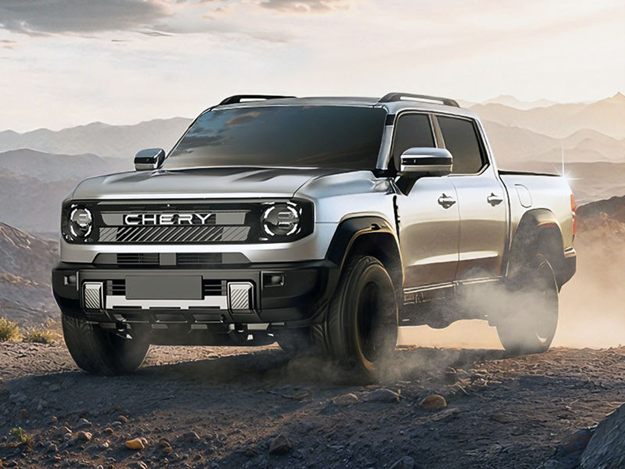

Chinese Automaker company Chery Group plans to start producing new Vehicles in South Africa in 2027. The main question now is whether these SA-built models will be cheaper their imported counterparts from China, which they will ultimately replace? The manufacture and purchase of the vehicles in the second half of 2027, will take place at the freshly purchased Rosslyn factory.
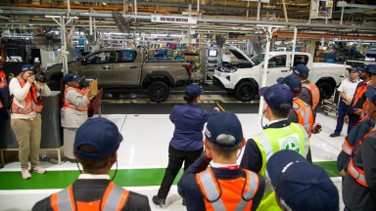
According to the company’s CEO in South Africa Tony Liu, who was the guest of Cars.co.za. in a podcast interview. As a reminder the Far East nation-based automaker recently acquired the Rosslyn facility from Nissan, a factory in which the Japanese firm had built locally manufactured vehicles for over sixty years.

With the facility currently undergoing recommissioning, Chery says it plans to kick off production in the 2nd half of 2027. The Tiggo 4 Cross is expected to be the first model to roll off the line, produced in both petrol and hybrid guise. The company says it aims to produce 15 000 units in the plant’s initial ramp-up phase in the 3rd and 4th quarters of 2027. “Our biggest seller in South Africa is the Tiggo 4 Cross, which has been number one in the SUV [segment] for quite a few consecutive months. We want the Tiggo 4 Cross, including the ICE [internal combustion engine] and hybrid versions, to be the first production rolled out from our Rosslyn plant,” Liu told us.

When CEO Liu referred to manufacture of hybrid vehicles, he was talking about vehicles that run on both petrol and electricity combined. The manufacture of such vehicles marks the cautious transition from fossil fuel as petrol to renewable energy – electricity – for limiting the emission of fossil fuels and curbing climate Change. Chery group is deeply interested in displaying its hybrid vehicles as a cheaper alternative in the event of the escalation of petrol prices. This is due to international events such wars in the Middle East and sanctions against Russia for the war in Ukraine. Rosslyn plant will become a hub of employment creation and income generation. South African manufacturers can compete in terms of improving the quality of the vehicles they produce, upgrading them gradually to compete with Chinese companies. The reason why the quality of the vehicles will be so controversial in South Africa is because in China, the necessary resources and technology are available for manufacture.
Another matter is China’s cheaper labour costs, due to lack of unions in the country. China also has massive scale in lower utility costs, and mature supply chains. In South Africa costs for labour, energy and vehicle components and materials remain somewhat high but this could become lower if the government pays a subsidy.

“That is a good question. From a manufacturing cost point of view, I think China does have the advantage globally. In the meantime, we are also looking at the different regions and policies [in play]. South Africa has a number of FTAs [free trade agreements] – we have SADC [Southern African Development Community] in the region that we can export to in the future,” Liu said, while also touching on SA’s trade relationship with Europe. “So, these are all the things we can leverage in future. In terms of South African cost, yes there are some challenges, but we are looking at how optimise our supply chain, from a logistics point of view, from an internal costing point of view and also from a policy point of view,” he added.
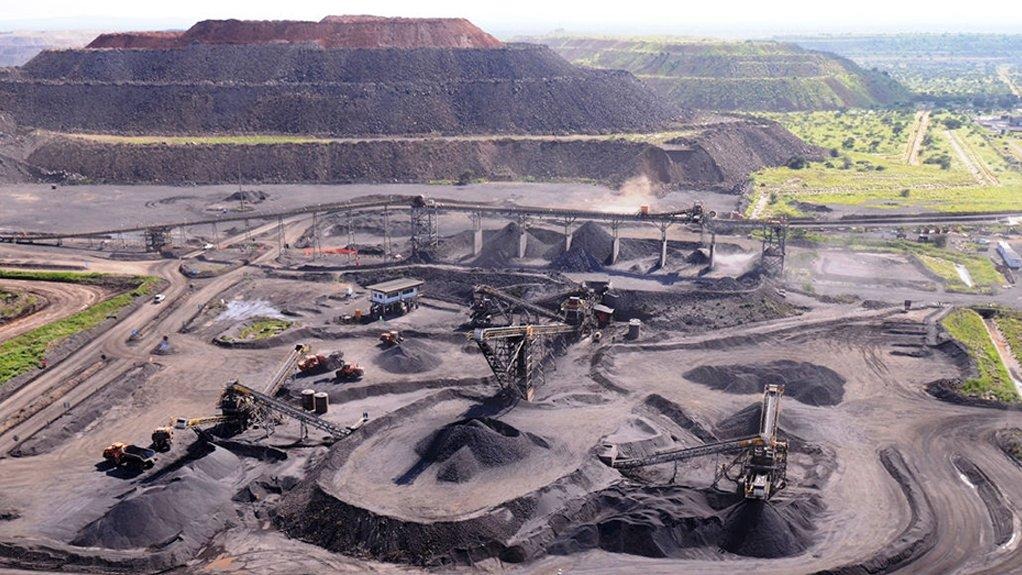
The key is how large corporations like Chery Group extract and transport the resources they need, while respecting the environment. When it comes to free trade and accessible borders the SADC bloc is constructing and developing the necessary infrastructure to lower the costs of extraction and transport. The Lobito economic Corridor linking the vital rare mineral and metal deposits regions of the Congo to the port cities of both Angola and South Africa’s east coast could ease the expenses, by making transport smoother by rail. This will accelerate production at the Rosslyn plant by expanding logistics development to increase access to the supply chain for raw materials that are needed in car manufacturing to meet demand. Chery Group’s main goal is localization, lessen the long-term costs of transport via export from China, by moving the means and sources of production closer to home. As long as quality competes at the same level if not better.
Article written by:
Yacoob Cassim
Journalist at Radio Al Ansaar