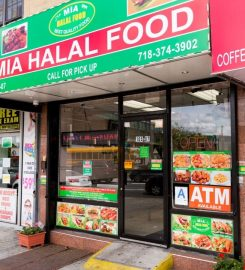

Technology and economics are evolving and the Halal -also pronounced as Halaal – food and culinary industry must adapt to stay relevant. Halal food refers to those food items and beverages that are strictly prepared according to Islamic dietary law. According to this law, alcohol, blood, pork, by-products made from blood and pork, animals that are dead before slaughtering, and those that have not been slaughtered in Allah’s name are considered ‘haram’ or impermissible for consumption. Moreover, halal food products are packaged and stored in utensils, which have been cleaned as per the prescribed guidelines.
The growth in this market can be attributed to the rising Muslim Community population, increasingly disposable income and changing different dietary patterns across different regions for both Muslims as well as non-Muslims. The rising Muslim population across the world is significantly contributing to the growth of the Halal food market. The Muslim population is a religious community that practice the faith of Islam. The increasing demand for halal-certified food among Muslims is due to the assurance of food safety and hygiene.
The South African National Halaal Authority (SANHA) has estimated that since 2012, sixty percent or more of all food products were halal certified. South Africa has a long history in the production of halal food products.
However, a major cause for concern by non-Muslim Consumer rights groups is the overabundance of halal certificates leading them to complain about wide spread use of such certification and the costs and administrative burdens for businesses when accessing resources that are halal. Another major point of contention is that there are gaps in official statistics (Industry estimates tend to be more commonly used because comprehensive data is limited).
Technological advancements in halal food items are key trends gaining popularity in the Halal market. With the increasing demand for halal foods, halal laboratories are actively engaged in the food safety, analysis of food products for maintaining quality standards to detect the presence of porcine material or alcohol, blockchain, and the Internet of things (IoT) are the technological advancements that strengthen the market. Blockchain platform offers transparency in the halal economy and allows tracing the origin of halal food products. Further, the expenditure on food products from Muslim countries across the world has registered substantial growth in the past couple of years, strongly accelerating the halal food and beverage products market.

There has been improvement in organically researching halal food in labs that has been achieved by the progress of forensics technology. Non-permissible substances such as alcohol, pork or raw blood are easier to trace. This allows halal-orientated food processing and distribution centres such as butcheries, restaurants and groceries to become more efficient in producing, receiving and processing shariah-compliant food products. Halal- compliant restaurants can adapt by using the Internet of things (IoT) to broadcast the manufacture and production of their foods through social media platforms to increase approval ratings and attract more customers in the area where they are. Transparency in the industry is now more efficient and family orientated. Customers can sample the different cuisines and beverages on offer without worrying about contamination.
The value for meat, poultry, and seafood products is the largest in the market due to its worldwide reach and popularity. Emerging economies are expected to contribute profoundly to the growth of the halal meat and poultry industry due to rising incomes and healthy eating trends among consumers. The growing demand for packaged processed meat products as they are considered hygienic and high-quality products is expected to fuel the segmental growth in the foreseeable years. The key manufacturers are investing in better technologies of meat preservation to fulfil the growing consumer demand for more fresh and healthy processed meat products.
The export of halal agricultural products will be instrumental in growing the industry and supporting the locals by generating income as well as supporting local businesses. The ever-expanding halal food business could diversify depending on supply and demand, and the health interests of those concerned. The culinary market in halal goods can even be extended to gluten-free goods provided they are tested to see if they do not contain any haram (forbidden) substances. At the heart of this is also a desire to purchase foods that are healthy and hygienic for the body. The progress in efficiency will focus on storage, packaging and transportation and lead to the South African Muslim community having access to a variety of halal foods
How the expanding halal industry manifests and adapts will depend on meeting its demand.
Article written by:
Yacoob Cassim
Journalist at Radio Al Ansaar