Introduction
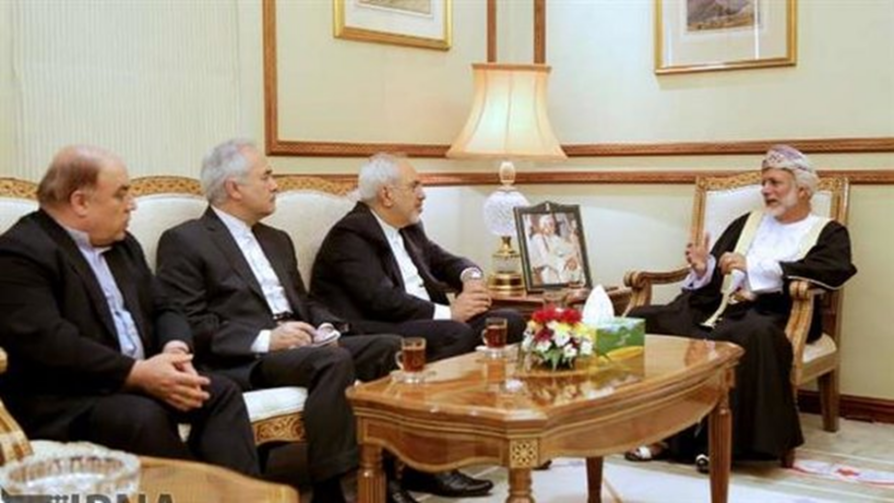
Iran and Oman’s maritime agreement has created a temporary civilian corridor in the Strait of Hormuz, offering limited relief to global trade. While the deal excludes military vessels, it includes joint mine‑clearing operations. Tehran insists this does not signal a full reopening of the waterway, keeping tensions high. Meanwhile, U.S. President Donald Trump has declared a “very big victory” over demining efforts, despite ongoing disputes and risks of escalation.
The Strait of Hormuz: A Global Flashpoint
The Strait of Hormuz remains one of the world’s most critical energy chokepoints. Before the conflict, nearly one‑fifth of global oil and liquefied natural gas shipments passed through the waterway. Since fighting began, most shipping has been halted, driving up fuel prices and straining non‑producing nations.
The Muscat‑brokered arrangement between Iran and Oman allows only civilian cargo ships, reflecting cautious progress rather than full normalisation.
Regional Diplomacy and U.S. Pressure
Diplomatic activity is expanding beyond Oman and Iran:
- Qatar has voiced support for negotiations.
- The U.S. is restoring personnel at Middle Eastern missions while maintaining economic pressure on Tehran.
- Trump has warned of “zero tolerance” for new mine‑laying, claiming the U.S. Space Force is monitoring “every square inch” of the strait.
Despite these claims, Gulf monarchies remain wary of renewed strikes, preferring Oman’s push for a permanent truce.
Risks of Escalation
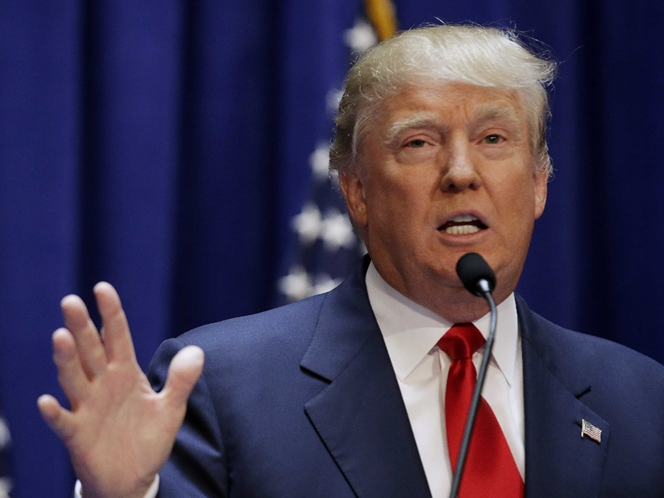
Trump’s rhetoric underscores the fragile balance. Deploying ground troops to Iran would risk immense bloodshed and regional escalation. Even air strikes could trigger retaliation from Iran’s Islamic Revolutionary Guard Corps (IRGC).
Iranian President Masoud Pezeshkian has signaled openness to negotiations but insists his country will not yield to economic pressure. The stalemate continues, with Washington and Tehran locked in a cycle of threats and cautious diplomacy.
The Path Ahead
The temporary corridor and mine‑clearing efforts may create space for wider talks, but uncertainty persists:
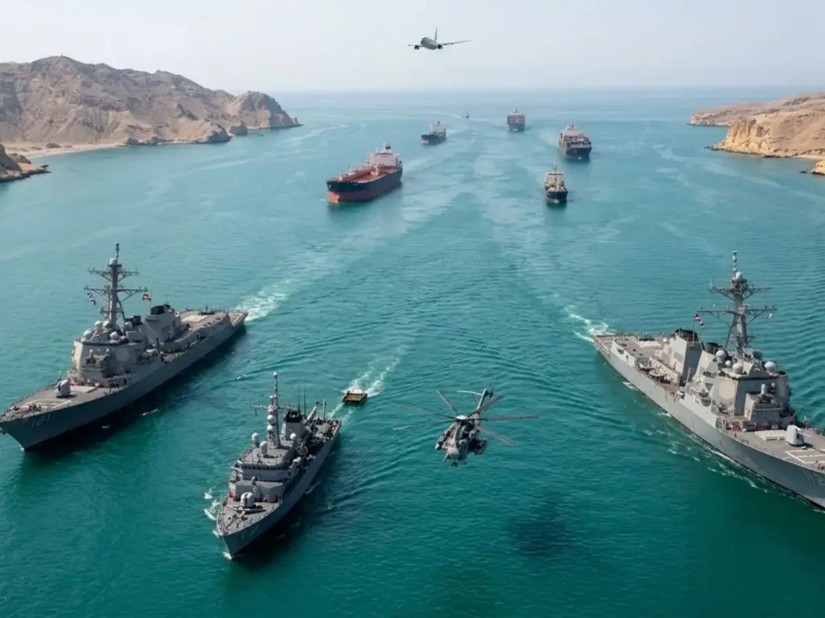
- Attacks on shipping remain a threat.
- U.S. sanctions continue to bite.
- Iran’s nuclear programme looms over negotiations.
For now, the world watches closely. The Persian Gulf’s return to normalcy is possible, but only through sustained diplomacy. As Oman and Qatar press for peace, the question remains whether Washington and Tehran can move beyond confrontation toward a lasting truce.