South Africa Diplomatic Pushback and US Relations
dctransparency.comdctransparency.com
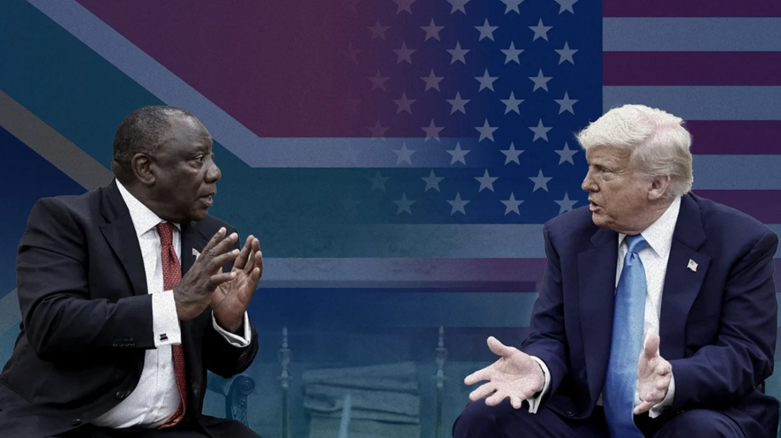
First, diplomacy between South Africa and the United States remains at an impasse. Specifically, President Cyril Ramaphosa issued a diplomatic protest to American Ambassador Leo Brent Bozell III for a second time this year. Earlier, the Ambassador criticized the South African government in several media interviews. Consequently, this move risks further straining relations between Pretoria and Washington. Furthermore, these bilateral relations deteriorated sharply after US President Donald Trump returned to the Oval Office last year.
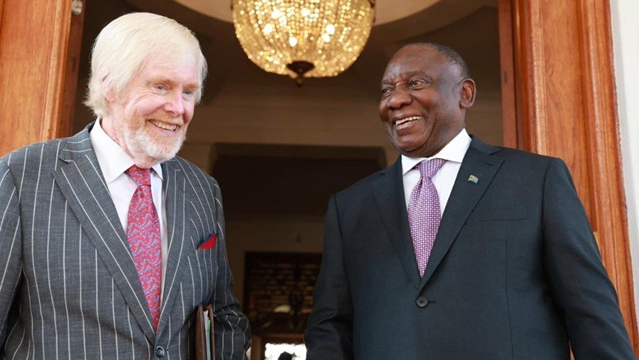
Recently, the Department of International Relations and Cooperation conveyed the formal diplomatic protest to Bozell. According to reports, the US President accused Pretoria of perpetrating a genocide against white farmers and seizing their land. In response, the South African government strongly denied these claims. Additionally, Washington criticized the nation’s ties with Iran and its black economic empowerment policies.
The White House Issues Five Key Demands
Meanwhile, the US Ambassador repeatedly accused President Ramaphosa of failing to address five specific demands from the White House. First, Washington requested that Pretoria avoid interfering with the processing of Afrikaner refugees under a new US Executive Order. Second, the US expressed deep concern over the 2024 Expropriation Act. Currently, the legislation faces judicial review. However, Bozell criticized the South African government for signing the act instead of rejecting it outright.
Third, the US requested that President Ramaphosa publicly condemn the singing of controversial historical chants. Specifically, Bozell characterized these chants as an incitement to violence. Fourth, the US urged Pretoria to formally designate rural crime as a priority. Furthermore, Washington offered technical and financial support to assist local law enforcement. Finally, the Trump administration asked Pretoria to allow foreign telecommunications and mining companies to use alternative equity programs instead of strict local ownership requirements.
South Africa Rejects Domestic Interference
In response, South Africa completely rejected the demands as direct interference in its domestic affairs. Specifically, officials stated their policies seek to address the severe legacy of apartheid. Additionally, local authorities point out that rural gangs target both white farmers and their black workers. Therefore, the government views the rural violence as a broad criminal issue rather than a racially motivated campaign.
Nevertheless, Bozell warned that the US will withdraw trade and investment from South African businesses if Pretoria ignores these requests. Moreover, Washington implemented a new visa policy against some South Africans as an initial calibrated response.
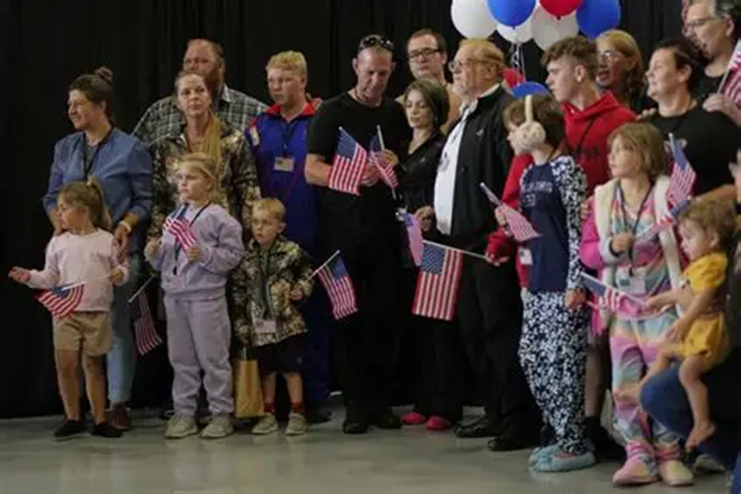
White South African Refugees Welcomed by Trump Admin as They Arrive in US. IMAGE: Sourced.
Ultimately, political analysts suggest that Washington expects significant geopolitical shifts in return for any financial or law enforcement assistance. For example, the US likely wants Pretoria to sever ties with Iran and withdraw its case against Israel at the International Court of Justice. In conclusion, South Africa faces a very difficult negotiation process ahead as it balances domestic policy with international pressure.