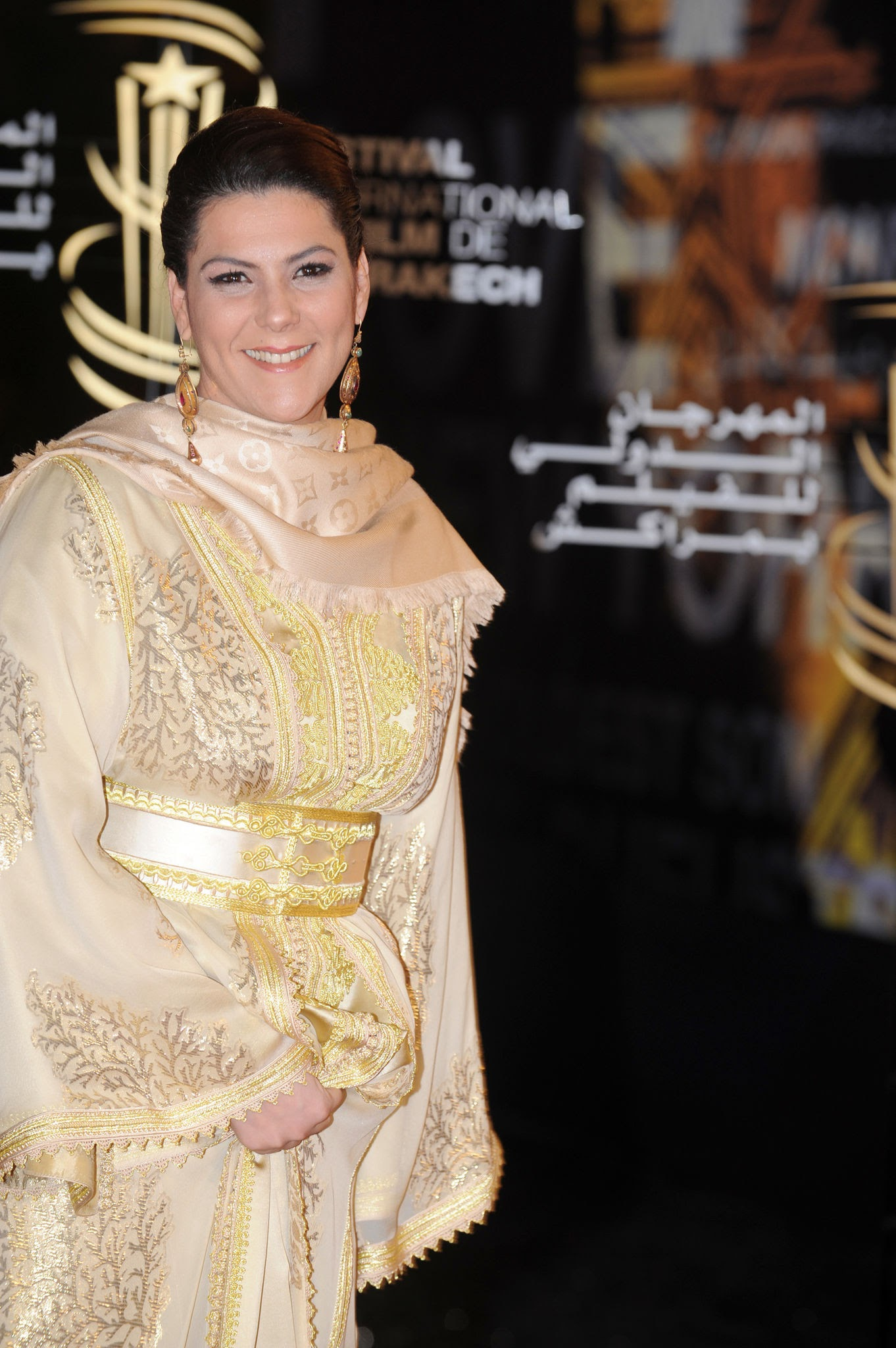
History was made in Rabat as Fatima Ezzahra El Mansouri was officially sworn in as Morocco first female Prime Minister. Appointed by King Mohammed VI following the September 23 parliamentary elections, her ascension to the role marks a profound political milestone for both the nation and the broader Arab world.
El Mansouri, leader of the liberal-centrist Authenticity and Modernity Party (PAM), secured 97 seats in the House of Representatives. While this was the largest share, it fell short of an absolute majority. Consequently, she has been tasked by the King with forming a coalition government.
So, who is the woman stepping into this historic role, and what hurdles lie ahead for her administration?
The Journey to Becoming Morocco First Female Prime Minister
Before stepping into the highest office of government, El Mansouri built a formidable political and professional resume. She has previously served as a lawyer, the Mayor of Marrakech, and the Minister of Urban Planning.
Her party, PAM, was established in 2008 by Fouad Ali El Himma, a close advisor to the King, serving as a social-modernizing alternative to conservative Islamic political forces. Under El Mansouri’s leadership, the party gained significant momentum, recruiting high-profile figures such as former Moroccan football chief Fouzi Lekjaa.
Following a heated election campaign against former coalition partners, El Mansouri has expressed a willingness to compromise. “We have turned the page,” she stated, confirming she holds no “red lines” regarding prospective coalition partners.
With this appointment, she becomes only the second female Prime Minister in the Arab World and North Africa, following Tunisia’s Najla Bouden (2021–2023). Read more about Tunisia’s Political history
Navigating Coalitions and Royal Authority
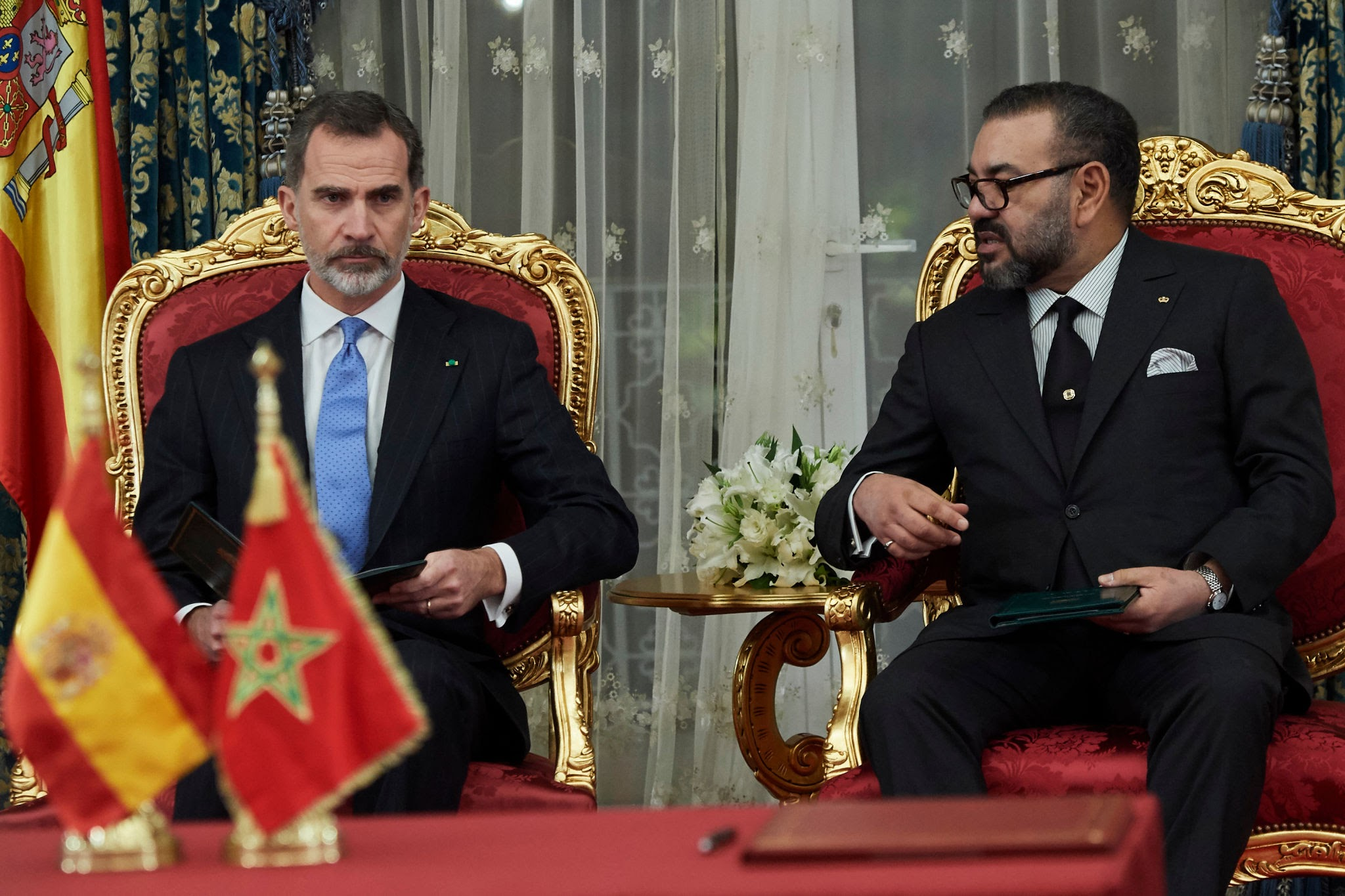
Morocco operates as a constitutional parliamentary monarchy. While the title of Chief of Government (COG) holds substantial weight, King Mohammed VI retains supreme authority over key portfolios, including defence and foreign policy.
Because the constitution restricts the number of seats a single party can contest, outright majorities are impossible. Therefore, the success of Morocco first female Prime Minister will heavily depend on her ability to negotiate with minority blocs, including the opposition Islamic-oriented Justice and Development Party (PJD), which secured 54 seats.
The Looming Challenges: Disillusionment and the 2030 World Cup
While the regime remains one of the most stable in North Africa—having successfully navigated the Arab Spring of 2011—the new Prime Minister inherits a complex socio-economic landscape.
The greatest immediate challenge is widespread voter disillusionment. Of the 15.8 million registered voters, only six million cast ballots. Youth participation was notably low, with those aged 18 to 24 accounting for just four percent of the electorate.
Her administration will need to urgently address:
- High youth unemployment.
- Rising living costs and purchasing power constraints.
- The widening service delivery gap between rural and urban areas.
- Rebuilding public trust in government institutions.
Furthermore, El Mansouri will oversee billions of dollars in infrastructure investments as Morocco prepares to co-host the 2030 FIFA World Cup alongside Spain and Portugal. Ensuring transparency and tackling historical political corruption will be vital as the North African Kingdom steps into the international spotlight.