South Africa is considering a new car licence renewal fee to fund the struggling Road Accident Fund (RAF). Learn how proposed changes, fuel levy tweaks, and electric vehicles factor into the debate.
South Africa Considers New Car Licence Renewal Fee
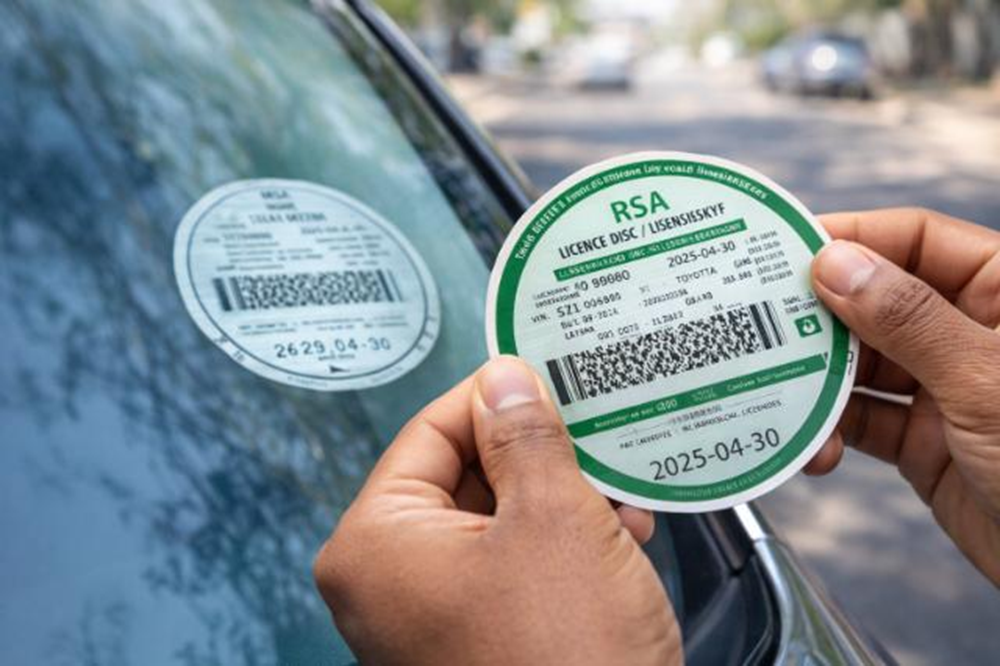
South African motorists could soon pay a new fee when renewing their annual vehicle licence discs. The government is searching for new ways to rescue the financially troubled Road Accident Fund (RAF).
Vehicle owners worry this proposal will increase their overall financial burden. The fund currently faces declining revenue and growing operational costs. While officials have not approved any new tax structure yet, the proposal has sparked an intense national debate.
Why South Africa Needs New RAF Funding
According to data from BusinessTech, the RAF’s income dropped from R50.8 billion in the 2024/25 financial year to R48.1 billion in 2025/26.
Historically, petrol and diesel levies provided most of the fund’s income:
- Current Fuel Levy: In 2026, the government raised the RAF fuel levy by 7 cents to R2.25 per litre. This marked the first increase in five years.
- Proposed Increase: The RAF board wants to increase the levy further to R3.00 per litre.
- Licence Renewal Charge: As an alternative, ministers are considering a direct fee during annual vehicle licence renewals.
The Electric Vehicle (EV) Challenge
Electric Vehicles (EVs) present a unique problem for the current system. EV drivers do not buy petrol or diesel, so they pay zero fuel levy to the RAF. However, EV drivers and passengers can still claim compensation after road accidents. A flat licence renewal fee would ensure all drivers contribute fairly.
Experts Urge Government to Fix Management First
Civil society groups caution that changing collection methods will not solve the fund’s deeper issues.
- Fix Internal Operations: Wayne Duvenage, CEO of the Organisation Undoing Tax Abuse (OUTA), believes new charges miss the core problem. He argues that professional management must step in to lower legal costs and administrative waste.
- Estimated Costs: Duvenage noted that replacing the fuel levy with annual third-party insurance could cost drivers roughly R1,500 per year. However, he clarified that this figure is an industry estimate rather than an official tax proposal.
Will Motorists Pay More Overall?
Government officials are weighing a balanced approach: lower the per-litre fuel levy and introduce a separate annual licence fee.
- Government Position: Deputy Transport Minister Mkhuleko Hlengwa supports combining a lower fuel levy with secondary revenue streams. Transport Minister Barbara Creecy confirmed that a comprehensive review of RAF funding options is underway.
- Impact on Drivers: High-mileage drivers might save money if fuel levies drop. Conversely, low-mileage drivers could end up paying more each year due to the flat renewal fee.
What Lies Ahead for Drivers?
- No Immediate Changes: Parliament has not passed any new tax laws or official fees yet.
- Decision Timeline: The Department of Transport expects to conclude its funding review during the 2026/27 financial year.
For now, motorists will continue paying the standard R2.25 per litre fuel levy whenever they fill up their tanks.